






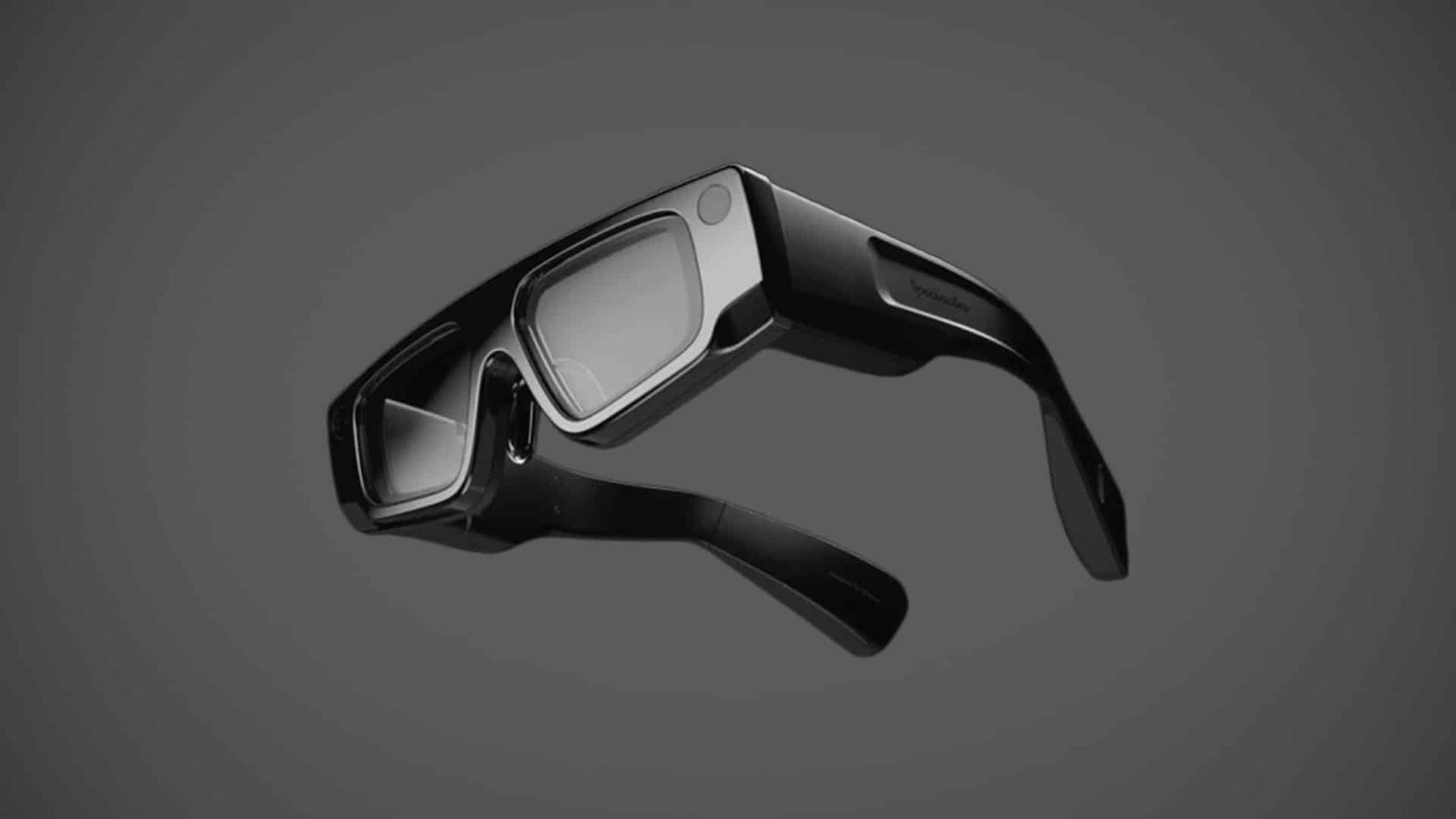
Cupertino, Calif.: Most enterprise workspaces are still limited by flat screens, which can make it harder for analytics and engineers to manage complex information. High-end engineering firms often find that the cost of setting up multiple monitors outweighs the productivity benefits. Apple is tackling this issue with the new Spatial Canvas in visionOS 3.0. This update changes how professionals work with multifaceted data by moving from hardware-based setups to enveloping three-dimensional workspaces. Companies that start using this technology early gain a clear competitive edge.
Technical Enhancements In Vision OS 3.0
The new VisionOS 3.0 changes how computers deal with complex interfaces. Instead of using fixed 2D windows, the spatial canvas lets engineers view multiple design files simultaneously without sacrificing image quality or performance.
Early enterprise testing shows that spatial computing environments allow structural engineers to visualize assemblies at true scale. The Apple Vision Pro hardware enables this by accurately tracking eye movements and hand gestures. When paired with the Apple Vision Pro, the software environment interprets complex dimensional layouts, allowing users to manipulate intricate designs solely with hand and eye movements.
Competing Hardware Approaches and Market Realities
The industry is still experimenting with new ways for users to interact with technology. Competitors like Meta Quest Pro have tried similar ideas, but Apple is remarkable for connecting better with business software. Meta Quest Pro mainly uses controllers, while Apple uses eye and hand input, making it easier for new users to get started.
Advanced software means more computing power. Now, CAD AI models can show detailed designs right in front of the user. By running CAD AI locally, engineers can modify designs without relying on remote servers. This reduces delays and keeps important information safe during key design stages. Designers also no longer have to wait for cloud systems to update small changes.
The Role Of Persistent Anchors In Engineering
Distributed teams need accuracy when sharing workspaces. Persistent anchors let users leave virtual objects in real rooms and find them in the same spot later. These anchors map walls and furniture so digital notes, and 3D models stay in place. This prevents the drifting and misalignment that happened among older systems.
The Future of Hardware Procurement
The introduction of new spatial workspaces is driving strategic shifts in mobile workstation manufacturing for the 2027 fiscal year. Corporate procurement managers now plan to replace traditional high-end laptops with lighter dedicated display environments.
With high-definition displays and advanced processing, companies no longer need multiple desk monitors. For example, an architect can see a building design in a large room, make changes instantly, and work with colleagues in other locations. This reduces hardware costs and helps teams around the world work together more effectively.
Monetary Effects For Enterprise Budgets
Cutting down on hardware brings real savings. If a company swaps 10 monitors for a single digital setup, it uses much less power. Companies can also save on office space as employees use the spatial canvas. Lower energy use also aids environmental and sustainable objectives.
The Vision OS 3.0 update improves the stability of business apps. As these systems improve, companies will quickly move away from flat office screens. Advanced spatial interfaces are establishing a new standard for buying hardware and developing software. In the next two years.
Preparing for the New Spiritual Standard
Enterprise tech teams need to update their rollout plans to get the most from this new way of computing. Switching from 2D to 3D environments requires changes to how users are trained and how data is secured.
IT teams are rolling out custom software that works directly with the new spatial setup. Seeing 3D data without risk helps engineers update designs faster. As more companies adopt these spatial computing tools, they will boost productivity for years to come.
Source: Now Available: Monthly Subscriptions with a 12-Month Commitment








