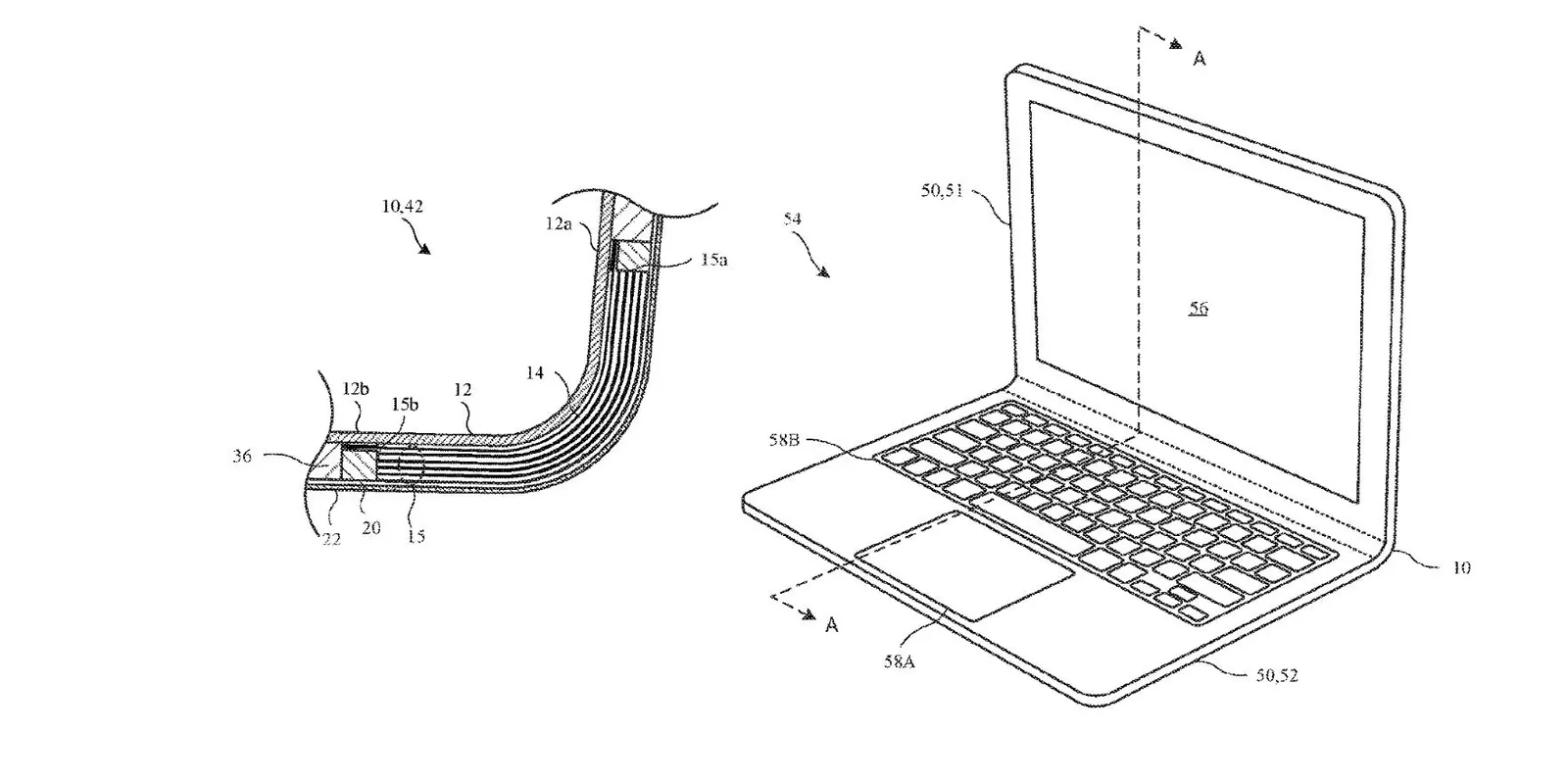
A new batch of Apple patents continues to point toward a future of user interaction with advanced spatial input systems. Apple is apparently designing experiences in which users interact through gestures, gaze, and movement in their surroundings rather than touchscreens or keyboards. This change underscores the rise of spatial computing, in which digital content is no longer confined to a screen but exists in the physical world. The trend is not just about Apple improving its devices, but rethinking the relationship between humans and machines.
What the latest patents tell us
A common thread emerges from recent filings: Apple is building systems that remove friction from interactions. These patents aim to make the technology feel more natural and intuitive.
Important developments include:
- Gesture control in the air
- Eye-tracking systems for accurate navigation
- Sensors that map the environment in real-time
- Hybrid input of voice, gesture, and gaze
Collectively, these innovations demonstrate how Apple patents are defining a future where interaction is nearly invisible.
Beyond Touchscreens: Towards Spatial Interaction
Touchscreens have defined modern devices for years. But they have their limits. They need physical contact, restricted movement, and limited interaction with flat surfaces.
Apple’s new direction aims to overcome those barriers. Very soon, users might be able to interact with devices without even touching them, through motion sensing and environmental awareness. Just looking at an app to choose it or using a hand gesture to resize a virtual window.
This transformation is central to spatial computing, where the interface expands beyond the screen into the user’s surroundings. This makes the interaction fluid, immersive, and more like real-world behavior.
Key Technologies Driving This Shift
Together, these patents enable spatial interaction, and they feature powerful technologies.
1. Knowledge of Gestures
They can track finger and hand movements with great accuracy, allowing users to control devices naturally without physically touching anything.
2. Eye Tracking
Devices can speed up and make navigation more intuitive by sensing where a user is looking.
3. Environmental Mapping
Sensors and cameras scan the user’s environment, enabling digital objects to live and move in real spaces.
4. Multimodality Interaction
Apple is using gesture, voice, and gaze for seamless experiences rather than relying on a single input method.
These technologies confirm that Apple’s patents are about smarter, more adaptive interaction.
Traditional vs Spatial Interfaces
To understand the impact, it helps to compare current systems with emerging ones:
| Input | Touch, keyboard | Gesture, gaze, voice |
| Space | 2D screens | 3D environments |
| Experience | Functional | Immersive |
| Flexibility | Limited | Highly adaptive |
Patent filings are often the first signs of where an industry is headed. Apple’s deepening interest in spatial systems suggests it is preparing for the next computing platform after smartphones.
Why is it important:
- It’s a sign of long-term investment in immersive tech.
- It creates opportunities for developers and creators.
- It changes the competition in the tech ecosystem.
As spatial computing evolves, it may open up entirely new markets.
Challenges Ahead
But spatial interaction is not without its hurdles despite the potential. The main challenges are:
- Making Sure Gesture and Eye Tracking Are Accurate
- Privacy Concerns of Pervasive Sensing
- Affordable Devices For Mass Adoption
- Assisting users to adapt to new interaction models
Solving these problems will be critical to the widespread adoption of spatial computing technologies.
Conclusion
The latest filings make one thing clear: Apple is preparing for a future where interaction is no longer tied to physical devices. Instead, it will be embedded in the space around us.
With the steady rise in Apple’s patent filings, the company is laying the foundation for this transformation. As spatial computing continues to mature, it has the potential to redefine how we work, communicate, and experience digital content.
Source: assignee:Apple