






San Diego, California
Corporate IT managers rarely celebrate a laptop purchase. They celebrate lower operating costs. A company replacing 10,000 employee laptops can spend millions not only on hardware, but also on electricity, support contracts, battery replacements, and productivity losses tied to aging systems. That reality explains why Qualcomm Snapdragon devices have become a serious topic inside procurement meetings across the United States. As the PC market faces pressure to deliver higher performance with lower energy consumption, ARM-based systems are attracting the attention of enterprise buyers looking to cut long-term costs.
The New Economics of the PC Market
In the past, companies chose new laptops based on processor speed, compatibility, and vendor relationships. Now, energy efficiency is just as important.
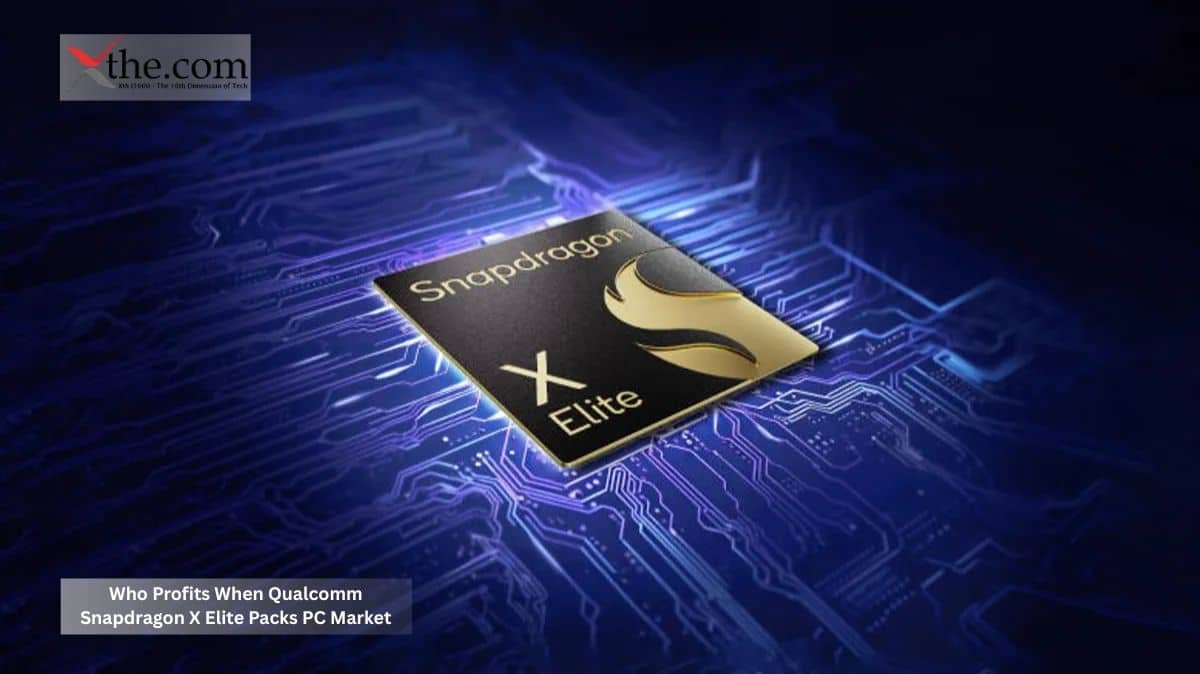
Many companies now have eco-friendly targets that require them to cut power use across their offices. Desktops and laptops make up a big part of this. The Qualcomm Snapdragon X Elite family gives procurement leaders a new option: devices that combine mobile-like efficiency with desktop-level productivity.
For a global company rolling out 20,000 laptops, even a small drop in power use per device can add up to big, big savings over five years. These savings grow when you factor in reduced cooling needs in large offices and longer device lifespans.
This change is having a big impact on the PC market, especially for companies that consistently update large numbers of computers.
Why Corporate Buyers Are Paying Attention To Qualcomm Snapdragon
Procurement teams have usually preferred processors with a long history of software interoperability. That still matters, but the way costs are calculated is changing.
Qualcomm Snapdragon systems offer more than just good performance numbers. More companies now look at the total cost of ownership, not just the upfront price.
Numerous factors are shaping this conversation, namely longer battery operation between charges, reduced energy consumption during daily workloads, possibly lower support requirements related to battery deterioration, and better mobility for hybrid workforces.
Battery lifecycle is a key topic. If batteries last longer, companies can delay replacements and keep devices in use for more years. For organizations with thousands of laptops, even small gains in battery durability can lead to real savings.
Ecosystem Migration Becomes A Tactical Choice
The biggest challenge facing enterprise adoption is not hardware performance. It is ecosystem migration.
Companies rely on specialized software, security tools, management systems, and custom apps built up over the years. Procurement leaders need to make sure these will work well on ARM systems before buying in large numbers.
Usually, companies start by running pilot programs. IT teams give a small number of new systems to finance, sales, or mobile staff. They check if the software works, how the battery performs, and whether employees are happy before rolling out more devices.
A successful ecosystem migration requires collaboration among software vendors, device manufacturers, and enterprise IT teams. Organizations that execute this switch carefully often discover operational gains that go beyond energy savings.
How Tier 1 OEM Partners Influence Adoption
Tier 1 OEMs play a key role in this process.
Major manufacturers connect new chip technology with real-world business use. Procurement teams don’t buy processors on their own. They buy full systems with warranties, management tools, security, and service agreements.
When a top manufacturer offers business-ready ARM laptops, it gives companies the confidence to make big purchases. These vendors also help standardize how new devices are rolled out and fit into current management systems.
As more top manufacturers add ARM-based products to their business lines, it becomes easier for companies to buy and deploy these systems.
Hardware Procurement Strategies Are Changing
The growing popularity of Qualcomm Snapdragon devices is changing traditional hardware procurement models.
In the past, companies mostly compared systems by price and processing power. Now, they also look at energy use, battery life, support for remote work, and sustainability.
Take a company replacing 15,000 laptops as an example. A more energy-efficient platform may cost a bit more upfront, but savings from lower electricity bills, longer battery life, and reduced maintenance can offset the cost over time.
The broader view of hardware procurement explains why ARM-based solutions are attracting the attention of chief information officers and procurement directors.
Qualcomm Snapdragon X Elite Platform Enterprise Buying Guide
Any effective Qualcomm Snapdragon X Elite platform enterprise buying guide should begin with workload analysis rather than hardware specifications.
Companies should determine which employees will benefit most from longer battery life and greater mobility. Mobile teams, executives, consultants, and hybrid workers are often the best groups to start with.
A practical enterprise buying guide for the Qualcomm Snapdragon X Elite platform should also consider software compatibility, security needs, device management, and expected energy savings. When procurement teams measure these factors, they get a better idea of the long-term return on investment.
The best business case occurs when even better performance aligns with environmental targets and lower operating costs.
Who Ultimately Profits
The first to benefit are companies looking to cut costs, employees who get longer battery life, and manufacturers ready to take advantage of more ARM adoption.
But the bigger impact is felt across the whole PC market. Older chip suppliers now face more price pressure as buyers have more options. Device makers need to update their product lines, and software developers must support a wider range of systems.
The growing interest in Qualcomm Snapdragon systems reflects a broader trend: companies now value efficiency as much as raw performance. As energy costs, sustainability goals, and hybrid work continue to shape tech investments, ARM-based computing is likely to influence buying decisions for years to come.
Source: Press Note Introducing Snapdragon C: Designed to Revolutionize Entry-Tier Laptop Experiences








