Denver, CO
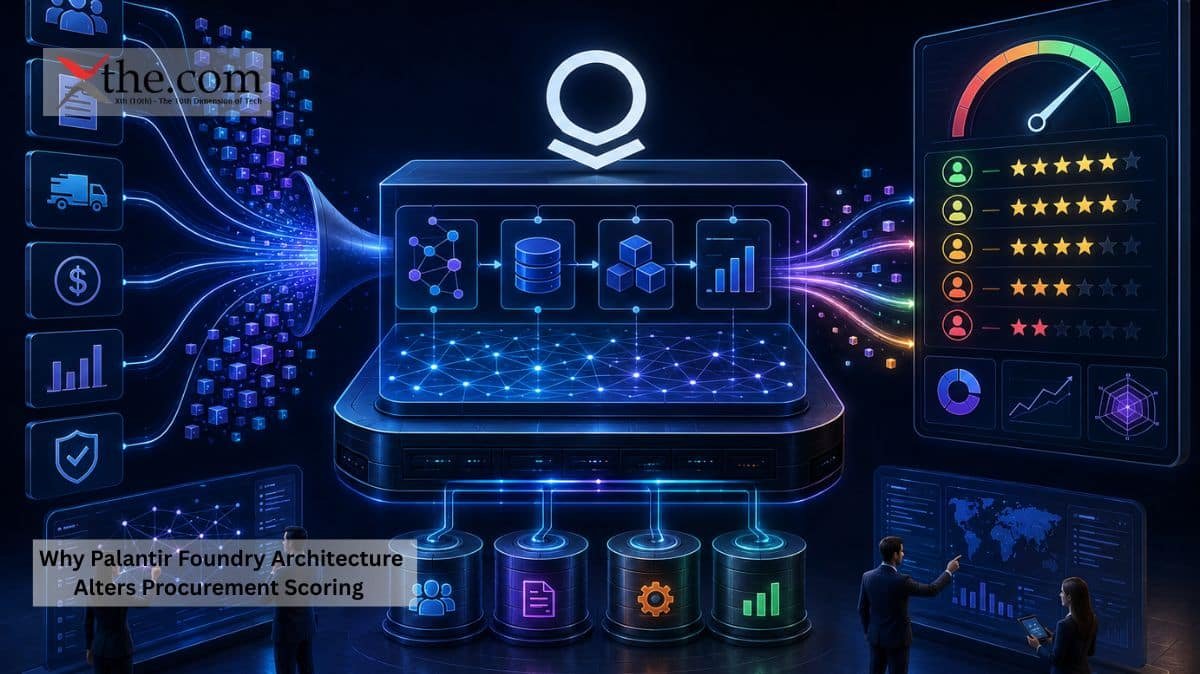
Atomic answer- Special modules were developed by Palantir Technologies (PLTR) to automate vendor selection pipelines on its Foundry platform, where real-time ontology synchronizations occurred. This technology integrates multiple supplier networks into a single corporate model and helps procurement managers instantly evaluate the effects of logistical delays or material shortages. It reduces supply chain risk by minimizing operational disruption costs before production problems occur.
The rapid adoption of digital technologies across company supply chains has led to significant changes in procurement risk assessments, vendor management processes, and overall operational continuity.
As global supply chains become more susceptible to transport instability, political disruption, and changing material availability, organizations must increasingly modernize their procurement decision-making systems.
At the forefront of this development lies Palantir Technologies and its newest Foundry platform version, which introduces new advancements through real-time operational intelligence capabilities enabled by ontology synchronization systems.
This product upgrade promises major improvements in companies‘ procurement intelligence processes.
Foundry Platform Creates Unified Enterprise Procurement Datasets
The first noteworthy feature introduced by the new Foundry platform concerns consolidating supplier and logistics data into centralized operational systems.
For a long time, companies have used fragmented systems such as ERP systems, logistics databases, spreadsheets, and supplier networks to conduct procurement operations.
There have been several disadvantages of using these fragmented systems, namely:
- Slower procurement decisions
- Poor visibility on suppliers
- Ineffective coordination of logistics
- Delayed reactions to potential disruptions
- Data synchronization issues
The new Foundry platform brings these fragmented systems together to create unified operational datasets.
Advantages of Ontology Synchronization for Operational Intelligence
The latest advancements made in the upgraded system include ontology synchronization.
Ontologies help establish interrelationships among vendors, logistics systems, production schedules, and inventory systems by creating a comprehensive enterprise data model.
The use of ontology synchronization makes it possible for enterprises to:
- Connect separate procurement systems
- Facilitate supplier visibility
- Identify operational dependencies
- Improve procurement forecasting
- Make enterprise decisions quicker
With the expansion of global supply chains, the importance of using ontology-based operational intelligence in enterprise infrastructure planning is becoming increasingly prominent.
Disruptions in Logistics Systems Complicate Procurement Processes
Disruptions in logistics operations have become one of the most challenging operational issues for today’s enterprises.
Due to transportation delays, geopolitical instability, and changing shipping conditions, many enterprises face challenges with production scheduling and supplier coordination.
Without real-time logistics systems, organizations might experience:
- Problems with production schedules
- Lack of inventory
- High costs
- Instability in production
- Failures in supplier coordination
The improved Foundry system will enable organizations to track logistics in real time.
Increasing Material Shortages Create the Need for Live Supplier Intelligence
The next important operational challenge affecting global procurement environments is the growing shortage of materials in manufacturing companies.
It is common for contemporary businesses to rely on large supplier networks spanning various international locations.
Benefits provided by the new system include:
- Supplier performance analysis
- Inventory management
- Supply shortage predictions
- Improved procurement flexibility
- Operational continuity improvements
As a result, more companies are utilizing AI-based supplier intelligence platforms to minimize disruptions.
The adoption of live predictive supplier monitoring becomes crucial for future procurement modernization plans.
Enterprise Migration Challenges Remain Relevant
Despite the improved functionality of the Foundry platform, implementing the solution continues to pose integration difficulties to enterprises.
Companies implementing ontology-driven systems should account for:
- Integration of legacy ERPs
- Data synchronization solutions
- Supplier onboarding practices
- Ingestion of SAP information
- Cross-platform data integration
If not properly managed, companies may face integration and data consistency issues during the migration process.
This factor makes the development of strategic procurement intelligence plans a necessity during enterprise modernization projects.
Ripple Effects Throughout Enterprise Software Industries
Palantir’s growth in operational intelligence will have ripple effects across broader enterprise software industries.
According to industry analysts, the powerful capabilities of the Foundry system may begin to challenge the standard ERP and supply chain systems managed by enterprise software companies.
The criteria for choosing procurement systems have become:
- Visibility of suppliers
- Predictive accuracy of operations
- Real-time detection of disruptions
- Scalability of ontological frameworks
- Operational efficiency in the long run
The emergence of procurement intelligence scoring systems using integrated ontology data frameworks is therefore reshaping enterprise procurement infrastructure investments worldwide.s.
Conclusion
Palantir’s latest operational intelligence updates have revolutionized the procurement infrastructure of many enterprises. With ontology synchronization, real-time intelligence, and improved disruption management, the Foundry update is enabling organizations to upgrade their global procurement frameworks.
As the procurement frameworks become more complicated for enterprises, the need for predictive analysis, operational visibility, and intelligent procurement will only increase.
In the coming years, enterprises’ procurement intelligence strategies will increasingly rely on an ontology-based system to enhance resilience and boost enterprise AI ROI.
Enterprise Procurement Checklist
- Procurement Risk: Vendor risk scoring systems depend heavily on accurate and continuously updated supplier information.
- Migration Challenge: Legacy ERP environments often create integration complexity during ontology synchronization deployment.
- ROI Implication: Real-time visibility into supplier risks helps improve long-term enterprise AI ROI through operational stability.
- Cross-Manufacturer Ripple Effect: Palantir’s advanced supply-chain modeling tools are increasing competition for traditional ERP software vendors.
- Operational Action Step: Integrate logistics feeds and supplier systems into centralized ontology frameworks to improve real-time procurement monitoring.
Source- Palantir Blog