





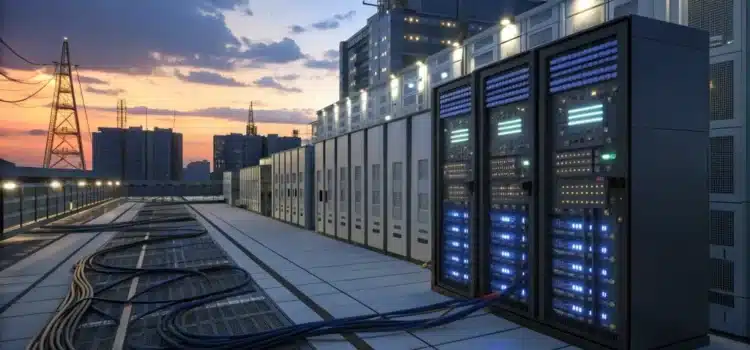
NVIDIA emphasises AI-based energy grids now designed to handle increased electricity demand from data centers across the United States. Increased use of Artificial Intelligence Workloads are currently placing strain on energy infrastructure, which must support high-performance computing environments. Utilities and technology providers are combining their resources with AI and grid management to optimise power distribution and increase efficient cloud services. Cloud Services.
Rising Energy Demand from AI
In recent years, AI has been growing rapidly across a range of applications, especially in large-scale models and real-time analytics. The data centers that support these applications require ongoing, high-density power to run their GPU processors, power the host servers, and run their cooling equipment, leading to new issues with power supply from energy providers.
Grid systems were not designed to handle concentrated, constantly fluctuating demands on the energy supply from each data center; therefore, many areas with a high concentration of data centers are experiencing significant pressure on their infrastructure, with concerns over limited capacity and potential electricity shortages. As these new challenges emerge, AI-driven grid systems offer a more effective way to manage this complexity.
Intelligent Grid Optimization
ML algorithms will enable AI-governed electrical grids to provide real-time analysis of energy consumption and how much energy will be supplied to customers for how long into the future. AI can utilise many disparate sources of data simultaneously, including energy consumption from sensors deployed throughout an electrical grid, such as past weather, consumption trends, and current weather conditions.
Once all the data has been assessed, AI will provide an opportunity for immediate changes to power distribution to maximise efficiency/maximum effectiveness. In addition to providing universities with additional insight into available power sources and weather conditions, AI will enable them to optimise their fossil fuel and renewable portfolios to minimise the risk of outages while maximising overall grid operational efficiency.
AI will also be able to identify inefficient operations, detect outliers, and recommend appropriate changes to operations or procedures to increase operational efficiency and reliability.
Supporting Data Center Expansion
As businesses invest in AI infrastructure, a reliable power source is a major factor in deciding where to locate data centers. AI grids allow utilities to add new facilities while still operating their current systems without being overloaded.
AI grids will predict how many resources are needed so that when data centers are full, utilities can provide enough power to keep them operating without problems. This capability is very important because the technology on which AI systems rely requires ongoing access to the computing resources needed to deliver services at the expected level.
Enhancing Energy Efficiency
A main objective of AI-enabled grid systems is energy efficiency; by reducing waste and optimising power use, they help lower operational costs and minimise the environmental footprint. AI can help identify opportunities to improve energy generation and consumption efficiency, resulting in more efficient infrastructure.
AI can also help to coordinate renewable energy sources, such as solar and wind, with the traditional electrical grid. This will help reduce reliance on fossil fuels and support overall sustainability efforts, especially as data centers expand their energy consumption.
Real-Time Monitoring and Automation
AI-based grids depend upon real-time monitoring to provide stability and efficiency. Continuous data collection/insight into how the grid operates enables AI systems to provide real-time translations into instant responses based on changing requirements or supply.
Automation is also critical for rapid decision-making through computer-generated actions that supersede human input. The ability to automatically adjust to changing conditions is very important in high-demand situations, as this type of decision-making can help avoid outages and keep outage time to a minimum. In addition, automated systems will enable AI systems to respond to grid changes within milliseconds.
Addressing Infrastructure Constraints
Numerous power grids worldwide struggle with capacity and flexibility constraints and have great difficulty adapting to the ever-increasing demand from data centers. AI has enabled improvements to existing infrastructure and systems without requiring significant physical modifications or upgrades.
In a similar manner to using data collection and analysis to optimise existing resources, utilities can use AI to improve the efficiency of their existing resources, thereby deferring or minimising providing the energy infrastructure to evolve alongside both technological and energy industry advancements.
Collaboration Between Tech and Energy Sectors
Working together, technology companies, energy providers, and policymakers will build AI power grids; NVIDIA is one example of how advanced computing helps build smarter energy systems.
The partnership with all three types of organisations will allow them to use artificial intelligence technologies while managing the grid and to develop solutions for organisations to respond collaboratively to the new, complex issues arising from today’s energy needs.
Economic and Market Implications
The adoption of Artificial Intelligence (AI) grids can also have a significant impact on the economy by reducing operational expenses in data centers and utilities and increasing the use of AI-based applications and digital services.
As demand for AI-based infrastructure continues to grow, the investment in intelligent grid technology will also increase. Companies that are defined as leaders in the provision of AI-powered infrastructure and intelligent grids will have a competitive advantage and can secure their leadership in the intersection of energy and technology.
Future of Energy Management
The development of AI-enabled grids will be a move towards more adaptive, intelligent energy systems. As technology continues to evolve, we expect new capabilities to be added to these grids, such as predictive maintenance and advanced forecasting, along with the integration of smart city infrastructure.
As societies become increasingly dependent upon digital technologies, managing complex energy networks will be key to maintaining a functioning society. AI-powered solutions will enable the development of resilient, sustainable energy systems that foster future innovation.
Challenges and Considerations
While AI-enabled grids exhibit significant promise, they also present challenges (e.g., data and operational security, system interoperability, and compliance with relevant regulations). To build trust among stakeholders in AI systems, it is important that they operate safely and transparently. Integrating new technologies into existing infrastructure will require careful planning, funding, and investment from utilities. Further, utilities must weigh the trade-offs between innovation and reliability to avoid service disruptions and minimise instability during transitions.
Conclusion: Powering the AI Era
With AI-enhanced grids, data centers will have an entirely new option for meeting their current energy consumption needs. AI grids can leverage ML models and real-time analytics to improve how data centers manage energy, ultimately enhancing capacity and reliability and enabling better scalability. AI continues to accelerate industry growth, and the ability to provide consistent, reliable, and sustainable energy will play an important role in the future of technology development. AI-enhanced grid systems offer a significant opportunity to ensure the underlying infrastructure supporting digital advancements remains available and able to sustain the continued growth of technology.


