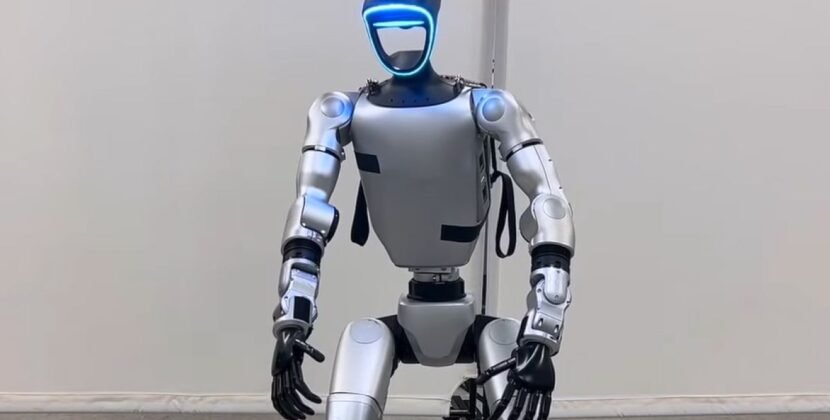
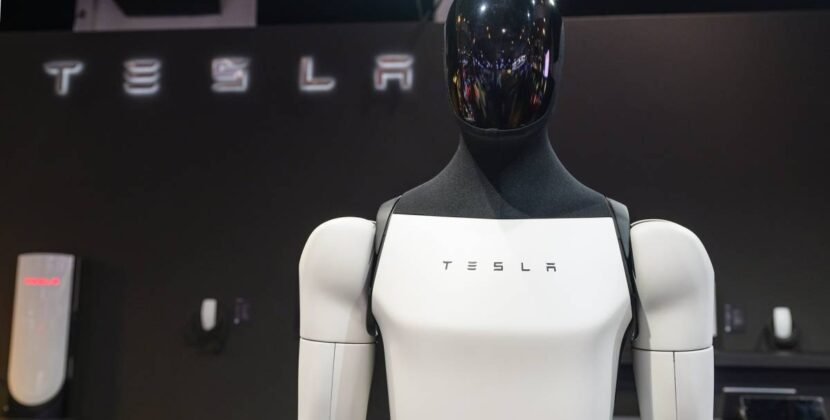




Tesla is transforming industrial automation by introducing humanoid robots into actual factories. Once futuristic, these robots now handle real tasks in manufacturing operations. Industrial automation has used fixed robotic arms for years. Tesla’s humanoid robots add flexibility, mimicking human actions and working as needed.
From Prototype to Production Floor
Tesla’s humanoid robot program, once focused on prototypes, now features production-ready units. This shift peaks with factory deployment by 2026.
These robots are now being tested and used in controlled factory settings where they assist in;
- Material handling
- Component assembly
- Repetitive manual tasks
- Internal logistics
Unlike traditional machines, these robots are designed to operate in spaces built for humans, eliminating the need for major infrastructure changes.
Why This Matters for US Manufacturing
The U.S. has been struggling with ongoing labor shortages in manufacturing, especially in repetitive, physically exhausting jobs. Tesla has developed a solution that will help close that gap.
By implementing humanoid robots, businesses will:
Continue to be productive when the workforce is limited.
Reduce reliance on manual labor.
Increase how efficiently they can operate.
The goal of this technology is not to take all jobs away from workers; however, users would be able to fill positions with high turnover and difficulty maintaining.
The Technology That Drives This Movement
A large part of what enables Tesla’s humanoid robots to function is the advancements in AI for motion control and vision.
What these robots are capable of are the following:
– Vision through computer vision enables them to determine where they are in their surroundings
– Using real-time data to process information to make decisions
– Making adaptations to movement to safely complete necessary tasks in their environment
Unlike current robotic technology, which still relies on fixed instructions, Tesla’s robots are designed to take a new approach to decision-making when their environment may change.
Cost vs. Productivity
Although the concept of humanoid robots may seem like a significant expense, in the long run, Tesla intends to make them a cost-effective option.
With humanoid robots, companies will experience:
– Lower long-term labor costs
– Increased productivity levels
– A reduced probability of workplace injury
If successful in scaling, humanoid robots will provide businesses with a financially viable solution for many industries.
Challenges and Concerns
Despite the excitement, there are still challenges:
- High initial development and deployment costs
- Safety and reliability concerns
- Ethical debates around job displacement
Companies will need to balance innovation with responsibility as adoption increases.
What This Means for the Future
Tesla’s move is likely to influence the entire robotics industry. Other companies are expected to accelerate their own humanoid robot programs, leading to faster innovation and competition.
For the US economy, this could mean:
- Stronger manufacturing output
- Increased adoption of advanced technologies
- A shift in workforce roles toward higher-skill jobs
Conclusion
Tesla has begun deploying humanoid robots, marking a pivotal moment in integrating artificial intelligence-driven systems into industrial operations alongside humans. Whether the technology will be adopted is no longer a question; rather, the question is when it will be adopted and what impact it will have on how we work in the future.


