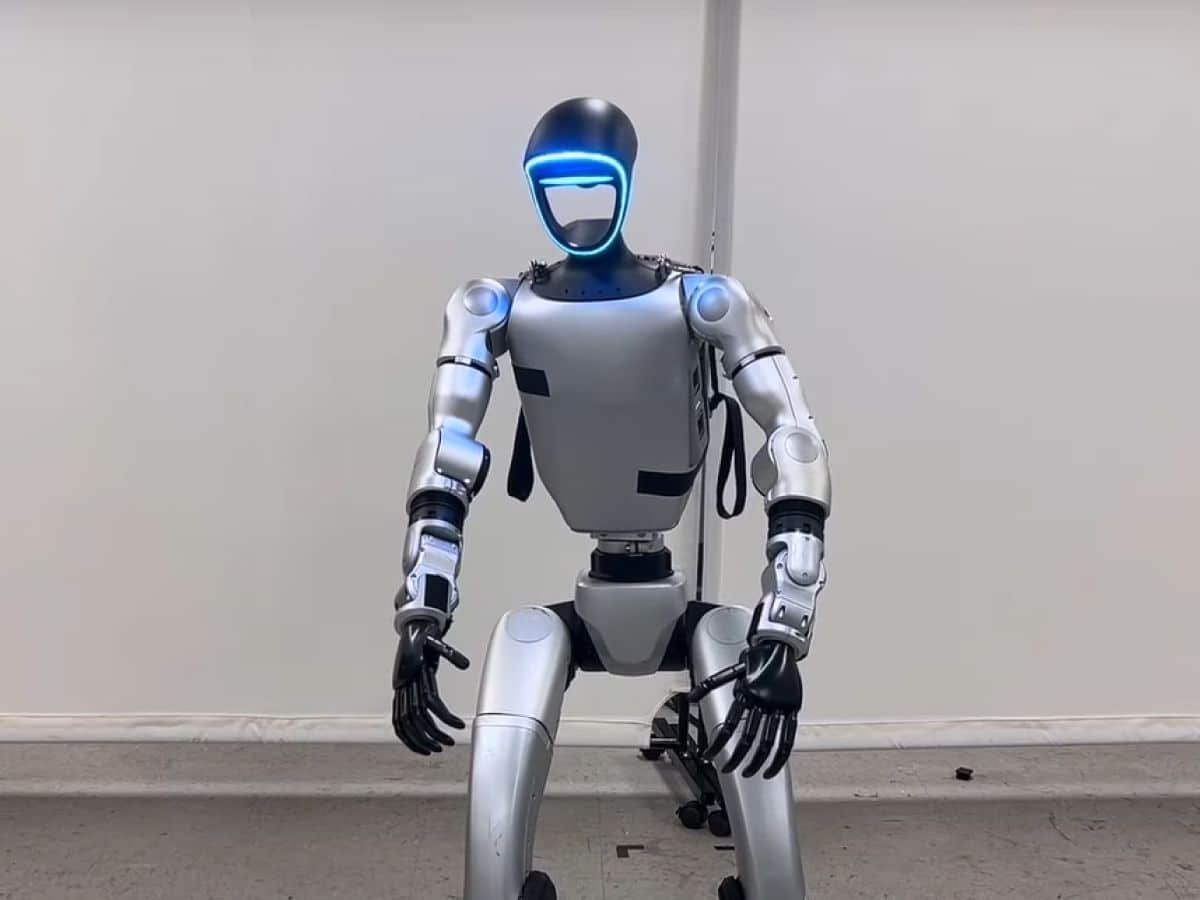
A recent robotics patent offers a glimpse of the future of robotics. The new type of robot will move more like a human than current models do, thanks to greater humanlike movement capabilities and the ability to adapt and respond in real time to changing environments.
The patent also provides insight into how this new technology will affect the operation of robots across many industries, including manufacturing and healthcare.
Key patented features include
- – Robots can dynamically adjust movement using sensors.
- – Sensors provide feedback on balance while moving.
- – Integrated systems better coordinate robot movements.
– Task execution is more precise, improving accuracy.
With all of the above capabilities built into the next generation of robots, robots with this technology will be able to respond and adapt as humans do, rather than just carrying out predetermined motions.
Why Human-Like Movement Matters
Traditional robots are efficient but limited. Their movements are often mechanical, repetitive, and inflexible.
Human-like movement introduces:
- Greater flexibility in tasks
- Safer interaction with humans
- Better performance in complex environments
This is especially important in industries where precision and adaptability are critical.
The Technology Behind It
Several different types of advanced components form a system:
- Sensors to sense the robot’s environment
- AI systems for making decisions based on sensor information
- Mechanical systems that allow each element to move freely.
Combining these components enables the robot to continuously adjust its behavior rather than being programmed to perform fixed tasks.
Impact on Automation
This cutting-edge technology will potentially change the face of automation. Some of the industries that stand to gain from this include:
- The manufacturing industry (more complex assembly jobs)
- The medical industry (assisting robots)
- The logistics industry (working in unpredictable environments)
By allowing for more natural movement, robots will be able to perform tasks that were once considered too dangerous or difficult.
Performance and Efficiency Gains
Improved functionality also equals increased efficiency through adaptive movements. Benefits include:
- Fewer task execution errors
- Shorter response times
- Better energy use
For companies, this will lead to increased productivity and decreased operating costs.
Challenges Ahead
While promising, the technology still faces hurdles:
- High development costs
- Complexity in implementation
- Need for extensive testing.
It may take time for such systems to be widely adopted in commercial applications.
What This Means for the US
For the US, this patent signals continued leadership in robotics innovation.
It could:
- Strengthen automation capabilities
- Support industrial growth
- Drive advancements in AI and engineering
As competition in robotics increases globally, such innovations will play a key role in maintaining technological advantage.
Conclusion
By integrating adaptive, human-like motions into their designs. This patent represents another advancement towards machines that not only perform tasks but also emulate human-like movements & responses.
Source- Google Patents