

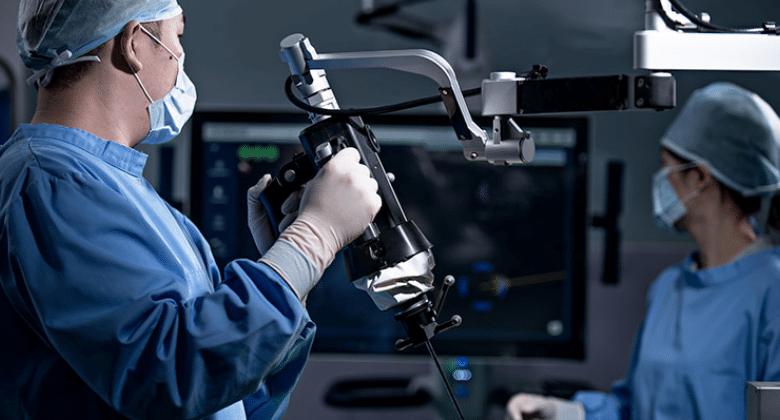




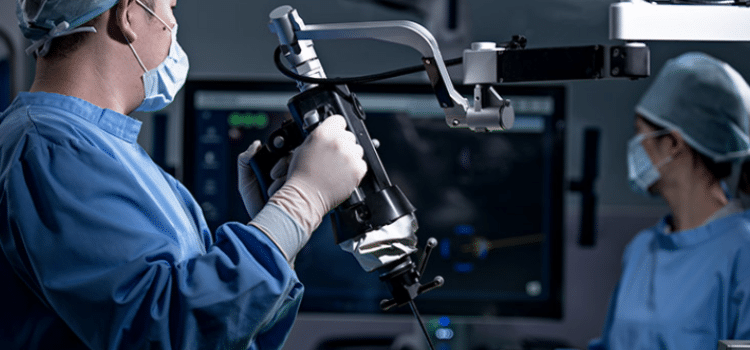
The FDA has approved a next-generation AI-powered robotic surgical system, which represents an important achievement in medical technology. The system enables surgeons to perform complicated operations through its combination of artificial intelligence, advanced imaging, and robotic technology. The platform provides real-time, high-resolution visualisation, along with predictive guidance, to improve surgical outcomes, reduce operating time, and protect patient safety. The approval allows hospitals and surgical centers throughout the United States to implement AI-powered robotic systems in their operating rooms.
Transforming Surgical Practice
The AI-augmented robotic technology provides surgeons with expanded capabilities by combining robotics and machine learning algorithms to analyse imaging data in real time during surgery or in the operating room. This development has enabled surgeons to use predictive assistance, anticipating the anatomical structures they will encounter as they create the least-traumatic path or route to their surgical goal. This development has revolutionised precision surgery, dramatically reducing the risk of surgical errors while improving the quality of care delivered to patients.
Combining human wisdom with artificial intelligence has improved the accuracy of the path or method used to navigate complex anatomical structures required for cardiac and orthopaedic procedures. It collects data and learns from surgeries performed with it, improving its guidance and ultimately enabling safer, more efficient surgeries.
Real-Time Visualization and Guidance
The foundation of the platform’s capabilities is its advanced imaging process. Surgeons can see details of tissue structures, vascular systems, and organ placement as if through thousands of eyes (3-D digital imaging). This level of visibility will allow them to make better decisions during critical situations, such as during high-risk or delicate surgeries.
Furthermore, the platform can incorporate predictive algorithms that allow it to identify potential blockages, suggest changes to improve surgical outcomes, and guide surgical instruments to the most efficient path to the target area. The ability to provide this type of information in a timely manner helps surgeons reduce tissue and blood vessel injury and improve the efficiency of surgical procedures.
Robotic Precision and Control
Robotic actuation – this system will convert a surgeon’s input into very precise instrument movements, eliminating hand tremor and enabling surgical procedures that would not be possible or would be very difficult with traditional means. These features are especially useful for microsurgery, minimally invasive surgery, and surgery in small/anatomically delicate areas.
By combining robotic stability with artificial intelligence (AI), the surgeon can maintain control of their instrument(s) while executing complex manoeuvres, improving safety and outcomes. Hospital systems can use the technology to broaden their surgical offerings and provide higher-quality patient care.
Implications for Minimally Invasive Surgery
AI-based robotic surgery has a huge impact on minimally invasive surgical techniques. With a small incision, the length of hospital stay, the risk of infection, and the time to recovery are reduced. In addition, an AI-driven system increases surgical precision and provides predictive analytics to help reduce complications and improve efficiency.
During a complex procedure, patients may experience fewer complications, less postoperative pain, and a faster recovery. Aside from giving patients access to more advanced treatments than they would have with open surgery, AI-based robotic surgical systems allow surgeons to use smaller incisions rather than larger/longer ones.
Learning and Adaptation
One of the main features of the system is machine learning. Each operation generates information that contributes to a growing central database of body structures, operation methods, and outcomes. The Artificial Intelligence algorithms provide ongoing improvement to the recommendations made based on data accuracy, direction, and overall efficiency of the technology.
The adaptive learning approach enables hospitals that use the technology to benefit from the combined knowledge of all hospitals, enhancing the safety and success rates of future uses. In addition, individual guidance regarding the patient’s structure and circumstances is provided.
Integration with Hospital Systems
This system allows complete integration with any pre-existing hospital infrastructure. The system can connect to multiple imaging modality types, such as MRI, CT, and fluoroscopy, to provide the necessary intra-operative information and adjust the procedure if needed, as well as improve communication efficiency during collaborative surgical work.
By connecting with electronic health records and surgical procedure planning tools, this system will provide additional workflow efficiencies to hospitals that use it, thereby allowing them to streamline their surgical procedures, maximise the use of their operating rooms, and coordinate with surgical staff and their supporting associates more efficiently.
Enhancing Surgeon Training and Skill
Robots guided by AI have implications for surgical training, as trainees can now practise procedures with real-time feedback, allowing them to learn complex movements in a fail-safe environment. Experienced surgeons can also use laser robotics as an aid, providing assistance with the precision aspect of the procedure but not taking away from clinical judgement.
Through this method of training and education, we are developing a model for collaboration between humans, providing their skills, and AI, providing insight that allows for the transfer of education and skill development from traditional surgical techniques to next-generation technology.
Patient Safety and Risk Reduction
The FDA-approved system maintains a high level of safety focus. Predictive guidance, robotic precision, and continuous monitoring work together to reduce mistakes and complications. Real-time alerts and decision support also add an extra level of protection during high-risk or emergency surgical procedures.
When using AI-assisted robotic surgery, hospitals can expect to improve surgical outcomes, reduce complications, and increase patients’ confidence in more complex procedures. These align with larger healthcare goals of improving quality, efficiency, and safety.
Potential for Widespread Adoption
AI-assisted robotics will improve the availability of advanced surgical procedures as more hospitals across the United States implement AI-based robotic systems to assist with surgeries. New technologies will allow small surgical centers to perform advanced procedures and enable hospitals in urban areas to improve overall performance and patient outcomes by using artificial intelligence and robotic systems in high-volume facilities.
Furthermore, the potential for AI-based robotics to be used in telesurgery can provide remote or tele-surgical capabilities, enabling access to and support for areas with a high need for advanced surgical services that lack access to a high-quality surgeon. This development could revolutionise the delivery of advanced surgical services nationwide.
Market Implications and Industry Impact
FDA clearance will likely lead to increased investment and innovation in AI-driven medical devices. Hospital networks and device companies achieve better outcomes in precision surgical procedures.
Approval may also enable Technology firms, healthcare organisations, and academic institutions to collaborate, thereby increasing research opportunities and advancing AI-driven systems.
Future Directions
In the future, it is anticipated that increasingly intelligent algorithms will be developed using artificial intelligence to predict risk factors for patients, automate some surgical activities, and provide real-time augmented reality applications that enhance visualisation. The ongoing development of more sophisticated haptics, smaller surgical instruments, and improved communication capabilities will likely further enhance robotic surgery systems.
The ultimate goal of robotic surgery systems is to combine the strength of artificial intelligence, the precision of surgical systems, and the experience of human surgeons, thereby raising the standard of surgical performance, improving patient outcomes, and revolutionising the delivery of healthcare.
Conclusion: A New Era in Surgical Innovation
An innovative advancement in healthcare technology is AI-supported robotic-assisted surgery. The AI technology enables the surgical team to visualise surgical anatomy in real time, leverage predictive analytics for guidance throughout the operation, and achieve superior surgical precision by using robotic arms to perform manoeuvres with greater accuracy.
The future of surgery holds vast potential, as AI can augment surgical proficiency and expeditiously restore patients to their pre-operative functional level while using less invasive surgical techniques and reducing recovery time. Hospitals that are incorporating this technology into their facilities across the U.S. are at the forefront of the surgical practice revolution, where robotics will play a dominant role.
Source: https://www.stereotaxis.com/


