



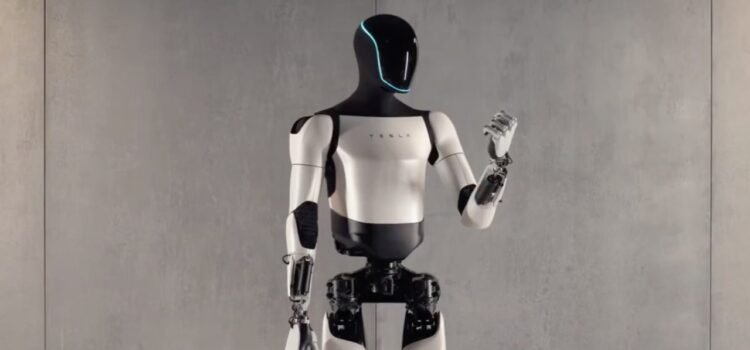
Recently, Tesla submitted a technical document that will create a more secure environment for humans to work alongside robots by enabling robots to anticipate people’s potential actions and respond instantly. As part of their overall robotics effort, which includes developing robots with advanced predictive capabilities for use in industries beyond the automotive sector, such as manufacturing, Tesla aims to implement more advanced predictive technology to reduce accidents and enhance human-robot interaction in industrial and consumer environments.
Predictive Robotics for Safer Interaction
The purpose of this patent is to give robots the ability to detect, interpret, and anticipate human movements, enabling them to proactively respond to their surroundings rather than merely react to changes. Most current robotic systems use pre-programmed motions or sensor data to respond to environmental changes. Tesla’s approach will use artificial intelligence-based models to enable robots to learn from human movement. These predictive algorithms will enable robots to anticipate a person’s movement trajectory, speed, and direction and adjust their behaviour accordingly.
Implementing real-time sensor data with AI behaviour behavior of humans. For example, if a person enters the robot’s path or gestures toward an object, the robot can adjust its movement patterns in real time to maintain a safe distance. This represents a substantial leap forward from traditional safety protocols, which rely heavily on emergency stop mechanisms or limited interaction areas due to past technological limitations, by providing a much more fluid, human-centric model for robot use.
Implications for Industrial and Consumer Robotics
Tesla’s innovations have the potential to significantly impact robotics across both industrial automation and consumer robotics. For example, in an industrial environment, predictive robots will be able to work alongside humans and perform most heavy lifting, assembly work, and precision work while minimising the risk of worker injury. As for consumers, the use of this technology will also improve the performance of robots that assist around the house and in elderly care, making them safer to operate near people of all ages and abilities.
The patent makes it clear that Tesla is committed to developing robotic systems that are functional yet intuitive, safe, and able to predict human behaviour so they can interact with humans in as natural a way as possible and provide assistance without constant interference or monitoring. This could lead to quicker, easier adoption of robotic systems across a wider range of safety of human interaction with robots.
AI-Driven Motion Prediction
Artificial intelligence-enabled motion prediction is the basis of Tesla’s technology. Machine learning models are trained using large datasets of people interacting with the world to predict motion. There are several methods used in the machine learning analysis process to understand how people currently move (or have moved) in relation to a particular task and to apply software predictions to facilitate those motions.
As the system learns from each individual, it can personalise its motion prediction for that person, thereby improving its predictive power. Through predictive motion analysis, robotic arms, automated vehicles, and/or any other autonomous technologies can be controlled more precisely than ever before. For example, if a collaborative assembly line manufacturer anticipates the motion of a human operator at the assembly line and the robotic arm is able to predict that operator’s motion within a millisecond, both parties can safely perform their tasks without endangering themselves or others, resulting in a dramatic increase in the overall efficiency of the process.
Enhancing Collaborative Workspaces
Historically, safety issues have impeded human-robot collaboration, thereby restricting the closeness and mobility of robots working within shared environments. Tesla’s patent addresses these issues by allowing robots to adjust their trajectories reactively to human movements.
An example may be illustrated using a robot on an automotive assembly line. A robot would be able to sense that an employee is reaching for an item and alter its location so as not to impede the employee’s action while completing its own action in an efficient manner. Whereas previously safety protocols tended to be rigid, unchanging systems of operation, the predictive capabilities of robots enable adaptable, context-sensitive interactions. This type of application may lead to the establishment of new standards for the safe use of robots in the workplace.
Potential Applications Beyond Tesla
Tesla’s short-term focus is on using advanced robotics technology to improve its manufacturing processes, but the long-term implications of this technology are larger. Motion-predictive AI can also be utilised for manual movements to ensure safe and effective performance.
By developing this foundational technology for predictive interaction, Tesla is helping create a future in which AI-enabled systems can work alongside people in a safe, easy, and efficient manner. Additionally, this patent presents another opportunity for Tesla to establish itself as a thought leader in the design of human-robot interfaces, which could ultimately shape industry standards and best practices for collaborative robots.
Challenges in Implementation
The challenges of implementing predictive robots remain despite their high expectations. Getting good results from predictive robots requires the following:
- To make predictions that are accurate, all the necessary sensor data must be collected (from multiple locations) and analysed using a high-speed algorithm.
- Unexpected behaviours, variations in human behaviour, and environmental variability create situations that are unsafe to manage for predictive robotics.
- Determining the level of integration required for the consumer-orientated will require careful calibration, testing, and validation of all components, as well as the use of new and improved AI models across different environments.
Tesla has established a set of standards that can help with the above. However, deploying predictive robots into the real world will require building AI models and ensuring they are robust across diverse environments.
Looking Ahead: The Future of Human-Robot Interaction
Tesla’s patent for predictive robotics represents a major advancement in safe, intelligent collaboration between humans and robots. Robots will be able to predict and proactively respond to human movements, resulting in more effective working relationships at home and in the workplace, with either party being the same or different than before.
As Artificial Intelligence continues to evolve, this technology will change the way we interact with robots by allowing them to work in closer proximity, with greater efficiency, flexibility, and safety. Tesla has taken bold steps to underscore the growing need for predictive intelligence in robotic systems by establishing a new standard for innovation within its field of expertise.
A New Era in Collaborative Robotics
Combining artificial intelligence with real-time sensors and predictive motion allows Tesla to create robots that can intelligently interpret and react to human actions. The published patent will demonstrate a future in which individuals and robots can live together safely and productively, as industries shift from manufacturing to home automation.
Tesla’s innovation represents an important milestone toward realising the potential of collaborative robotics while helping mitigate risk; it also creates a model for the future of intelligent systems that are effective and built around human needs.
Source: https://patents.google.com/


