

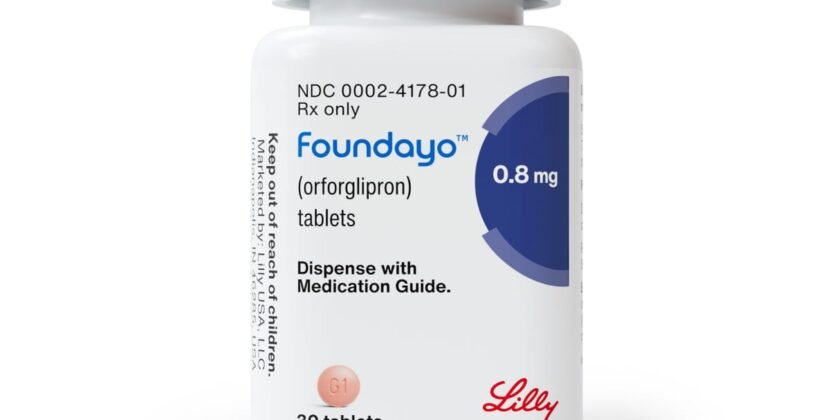




The FDA announced approval of a new oral treatment for use under its National Priority Voucher program, thereby expanding the reach of obesity care in the U.S.! This is a big deal because it reflects an increase in the number of treatments available due to the high public health implications of obesity affecting many adults and being an extremely costly burden on our healthcare system.
Currently, the specific clinical evidence is still forthcoming, although this approval indicates that the FDA is now confident in using novel biological methods to treat patients, providing a new alternative treatment via an oral pill vs. the previous injectable method.
A Shift Toward Oral Obesity Treatments
Over the years, treatment of obesity has generally involved a combination of lifestyle interventions, bariatric surgery, and injectable medications aimed at affecting appetite regulation and metabolic pathways. The recent introduction of an oral medication provides a new pathway to more accessible, patient-friendly treatment options.
As a rule, oral medications tend to be easier to store, administer, and incorporate into long-term treatment plans than injectable options, making them easier for some patients who may have difficulty administering injectables or going to regular clinical appointments. This change could have a great impact on improving adherence, an ongoing issue in the management of obesity.
By offering different treatment formats, regulators are expanding access to care by addressing gaps in existing therapeutic options.
Expanding the National Priority Voucher Program
The FDA’s National Priority Voucher program is the mechanism through which this approval was granted. This program was created to facilitate the review of those drugs that provide immediate assistance to the patient population or provide significant therapeutic advancements over previously available therapies. These medicines undergo regulatory review on a priority basis but are still held to the same standards of safety and effectiveness; therefore, they are reviewed and approved faster than standard reviews would under normal circumstances and can be brought to market sooner.
The goal of this program is to expedite the introduction into the marketplace of innovative therapies; for example, when looking at obesity therapeutics, the acknowledgment that obesity is now considered to be a chronic disease and must be treated over a period of time through medical intervention as opposed to just being a result of poor lifestyle choices is the rationale for the establishment of this program.
Addressing the Global Obesity Burden
Obesity is one of the largest global public health issues and is associated with various diseases, including diabetes, cardiovascular disease, and certain types of cancer. New treatments for obesity are being regarded as a necessary step toward combating this complicated and multifactorial disease.
Obesity is being recognized by many health care providers as a metabolic disorder, with causes including genetics, environmental factors, and behavioral issues. Therefore, medical treatment for obesity has become an integral part of a comprehensive care strategy to address the whole of the disease.
The approval of oral medications for treating obesity provides clinicians another option to consider when treating people with obesity and opens the possibility of treating many people who may not have had the option available to them previously because of the cost of treatment or other limitations on accessing treatment.
Improving Patient Access and Convenience
Convenience is one of the major benefits associated with oral treatment for obesity. Oral drugs can be taken at home and do not require refrigeration, injection, or clinical administration like injectable medications, thus causing minimal disruption to an individual’s daily routine.
The ease with which individuals can take the medications may enhance long-term adherence, which is critical for successful ongoing weight management. Low adherence has historically reduced the ability to achieve positive clinical outcomes in effective obesity treatment, even when outcomes have been demonstrated under controlled conditions.
By improving the ease of taking an obesity medication, the use of oral medication for obesity treatment may ameliorate the difference between the clinical efficacy of the medication and the patient’s ability to effectively utilize the medicine in real-world settings.
Implications for Healthcare Systems
The introduction of new oral medicinal products could alleviate pressure on healthcare systems. Fewer clinic visits for injections and monitoring would allow for greater allocation of medical resources. Improved adherence to these therapies also has the potential to improve long-term results for patients with obesity-related conditions.
However, widespread use of these products may increase demand for prescriptions, raising concerns about costs, insurance coverage, and equitable access to therapies. Policymakers and payers will need to work together to determine how to incorporate these medications into current healthcare systems.
Pharmaceutical Innovation and Competition
This approval could bring more competition to the already rapidly advancing obesity treatment marketplace. Pharmaceutical companies are currently making significant investments in metabolism research to develop new treatments targeting various hormones, appetite-control pathways, and methods to balance energy.
Given the ease with which oral therapies can be scaled and patients’ preference for oral over injectable therapies, new companies developing similar medications may accelerate innovation and expand access to treatment options.
Safety, Monitoring, and Regulation
Like all new therapies, regulatory oversight is critical. New therapies undergo a lengthy FDA approval process before becoming publicly available, and this process ensures that safety, efficacy, and risk profiles have been thoroughly evaluated. Postmarketing monitoring will also be very important for tracking long-term outcomes and ensuring patient safety.
Because obesity drugs will likely be used for an extended period of time, continued studies will be necessary to evaluate the durability of results, potential side effects, and how other drugs may affect obesity medications.
Changing the Narrative Around Obesity Care
This approval marks a trend in modern medicine in how obesity is treated. It is no longer just considered a lifestyle choice but rather a chronic medical condition that requires long-term treatment.
Because of this trend, there are changes in how the healthcare system, payors/insurers, and pharmaceutical companies view the development of obesity treatments and how they support patients. With the availability of oral treatments for obesity, this change signifies that access to care for obesity should be similar in ease and routine to that of care for other chronic conditions.
Future Directions in Treatment Development
Scientists are investigating next-generation therapies that merge metabolic regulation, appetite control, and personalized medicine. Molecular biology and AI-driven drug development are rapidly advancing this process.
Future oral medications may be individualized based on metabolic profiles, thus improving outcomes while decreasing side effects. Personalizing obesity treatment can become a game-changer for obesity treatments in the next 10 years.
Conclusion: Expanding Access to Modern Obesity Care
An important public health development has been achieved with the FDA’s approval of a new oral antihypertensive drug through its Priority Review Voucher program. This approval will help to provide more options for people with obesity and make it easier for people to use because of the move from injection to an oral option. It also illustrates how the medical community has made progress in understanding obesity.
The provision of oral options will allow the healthcare system to adapt to new therapeutic options for obesity, and these options could become a key part of care for patients with obesity, offering a more practical, easily implemented solution to a major public health issue.
Source: FDA Approves First New Molecular Entity Under National Priority Voucher Program


