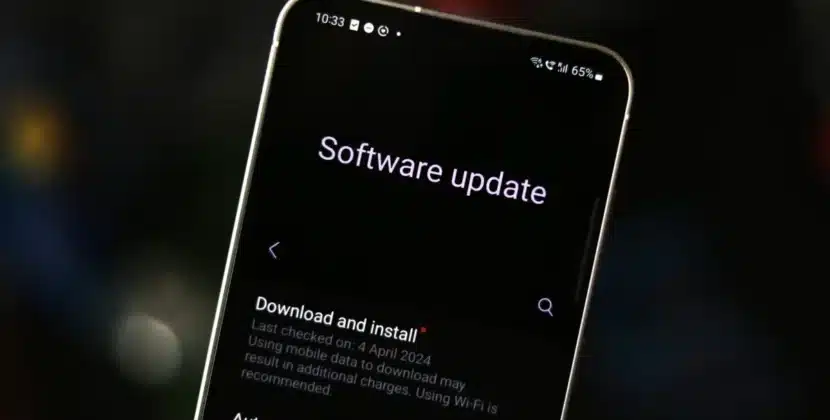





Samsung has released its April 2026 security update addressing dozens of vulnerabilities on Galaxy smartphones and tablets. These patches help protect devices against emerging digital threats and continue Samsung’s efforts to safeguard user privacy and security.
Addressing High Priority Critical Flaws
The April 2026 update fixes over 45 security problems. Of these, Samsung and the Android security team say 14 are very serious. These major issues primarily affect the phone’s most important parts and hardware. If not fixed, hackers could take control of parts of the phone or get access they shouldn’t have, possibly even reaching private parts of the system without the user’s knowledge.
This update also includes important fixes from Google that keep the main system safe. Samsung has added fixes for issues unique to Galaxy devices. By doing both, Samsung ensures the system and its features are well protected.
Hardening Semiconductor And Firmware Layers.
A significant part of the update focuses on the basic chips and software that run devices. Samsung’s chip division has fixed four major security issues. These issues include problems with how the chip manages memory and checks data. Such flaws are risky because they are deeper in the system below where the main software runs. Fixing these problems helps prevent hackers from bypassing the device’s main security by ensuring apps can’t access memory they shouldn’t. Samsung prevents private information from leaking. This is important for keeping the device stable and for protecting key apps like Samsung Dialer and KnoxGuardManager.
Global Rollout and Device Eligibility.
The April 2026 patch is rolling out globally in stages. Galaxy S26 and S25 owners in Europe and India received the update first. The 550-megabyte firmware delivers major security upgrades. Users in North America and South Korea will get it soon.
After the initial release to flagship devices (including Galaxy Z Fold7, Galaxy Z Flip7, and Galaxy A57), Samsung is extending the update to mid-range devices. Samsung now offers up to 7 years of security support for newer models, keeping older devices safe from new threats. Users should regularly check settings to download updates promptly.
Improving Physical and Remote Security
Some of the patched issues involved risks if someone briefly gets hold of your device. These “start quote” physical access abuse, “end quote” flaws could let someone bypass the lock screen or misuse system privileges. The update makes it much harder for anyone to access your data in person. This is especially important for businesses that often use mobile devices to store sensitive information. By fixing these problems, Samsung is making its users safer in actual situations.
The update also improves remote security by fixing how network protocols (the rules for how data moves across networks) are handled. It addresses a buffer overflow problem—the situation where a program writes more data into memory than it should in the Exynos Wi-Fi driver (the software that allows the device’s Wi-Fi chip to work) that could be triggered by harmful wireless signals. This helps keep users safe when using public Wi-Fi or hotspots. The patch also fixes issues in the Samsung Smart Switch (used for moving data between devices) and Galaxy Store (the app store for Galaxy devices), preventing unauthorized changes to files and ensuring only verified software can be installed.
A Stronghold of Digital Integrity
As we rely more on connected devices, strong digital security is more important than ever. These updates act as silent protectors working in the background to keep our data safe. Over time, security risks may become less of a concern as technology improves at protecting our information. We may soon trust that our privacy is guarded by systems that work quietly and reliably, always keeping our data secure.


