




In 2026, American businesses are moving beyond early challenges of adopting AI and are now focusing on long-term profitability. While public cloud APIs were useful for early experiments, their ongoing costs have started to weigh heavily on company budgets. Many organizations are seeing that private infrastructure can reduce long-term AI costs with proper planning. By moving from a pay-as-you-go approach to owning their own systems, companies can get better performance and stronger AI security. This is more than just a technical upgrade. It is a new way for businesses to think about their digital resources.
The Shift Toward Localized Intelligence
Public cloud services are easy to use, but their costs can rise quickly for businesses with large workloads. For US companies processing millions of AI tasks each day, this so-called cloud tax can eat into the benefits of automation. As a result, more businesses are investing in private data centers designed for demanding computing needs. By owning their own hardware, companies make the most of their power and memory, keeping everything running as efficiently as possible for their specific needs.
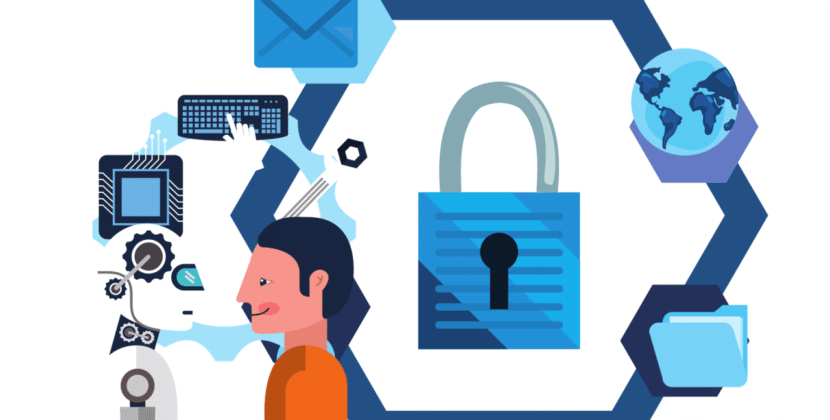
Protecting data and intellectual property is another big reason companies are choosing private systems. Storing sensitive information on public servers poses risks that many business leaders are unwilling to accept. Bringing these operations in-house or using private dedicated spaces creates a physical perimeter that public clouds can’t match. This approach is about more than just stopping hackers. It’s about maintaining full control over company data and ensuring the business’s unique processes remain private.
Private Infrastructure Can Reduce Long-Term AI Costs With Proper Planning.
To save money in the long run, companies need to plan ahead rather than buy hardware only when needed. This means thinking about which AI models they’ll use over the next few years. Private infrastructure can reduce long-term AI costs through proper planning by enabling businesses to buy specialized chips rather than general-purpose ones. For example, if a company primarily handles language tasks, it can choose hardware designed for those needs. This way, they avoid paying for features they don’t use on standard cloud systems.
Operational expenses, particularly power and cooling, must be central to the planning. When planning private infrastructure, companies need to closely monitor ongoing costs, such as power and cooling. High-powered AI equipment produces a lot of heat, so advanced liquid-cooling systems are often needed and are more efficient than regular air cooling. By using these systems in their own facilities, businesses can cut cooling costs by up to thirty percent. These passive savings add up over time and can help cover the initial cost of the hardware. Focusing on these details is what makes AI and AI strategy truly profitable.
Optimizing the ROI of Sovereign Compute
The return on investment for private systems also lies in eliminating egress fees and unpredictable API price hikes. Public cloud providers frequently change their pricing models or charge significant fees for moving data between different regions. A private cloud network enables the fluid movement of information without incurring a transfer penalty each time a packet crosses a virtual boundary. This predictability allows financial officers to forecast their technology spend with a level of accuracy that was previously impossible. It turns the IT department from a source of variable risk to a stable utility.
Using local hardware also speeds up product development and helps companies get to market faster. Developers don’t have to wait for shared public resources, so they can improve their models more quickly. This velocity dividend may be harder to measure than server costs, but it’s crucial for staying ahead in the US market. If a business can launch a new tool in two weeks instead of two months, it gains a real edge. This kind of speed drives long-term growth in today’s competitive digital world.
Balancing Hybrid Workloads For Maximum Flexibility
Even though many companies are moving to private systems, the most successful ones in 2026 use a hybrid orchestration model. They run steady heavy workloads on private hardware and use the public cloud to handle sudden spikes in demand. This burst capacity keeps things running smoothly for users even during busy times. It also protects private systems from being overloaded. Stacking this balance is a sign of a strong and flexible digital strategy.
Managing a hybrid setup requires a single orchestration layer that can easily move these tasks between private and public systems. This software makes sure AI agents always use the most cost-effective hardware at any given time. It sends sensitive high-volume work to private clusters and uses the public cloud for testing less important jobs. By automating these choices, companies can keep costs low and efficiency high, creating a system that helps protect profits.
The Crystalline Path To Perpetual Growth
Enterprise technology is evolving toward what some call fluid integrity, where data and processes move smoothly through an optimized network. The companies that will thrive are those that understand private infrastructure can reduce long-term AI costs with proper planning. We are also seeing the rise of more empathetic infrastructure that can adjust to business needs in real time. This reliable foundation supports a future of steady service and clear, consistent logic.
We might one day wake up to find that the heavy lifting of our corporate reality is now being supported by reliable, well-designed systems. These systems will value both our goals and our results, helping us move forward with confidence. As technology becomes more integrated into our daily work, it will help create a clean and efficient environment for businesses. We are shaping a world where technology works alongside us as a steady partner in reaching our goals.
Source: Turn AI Ambition into Reality


