






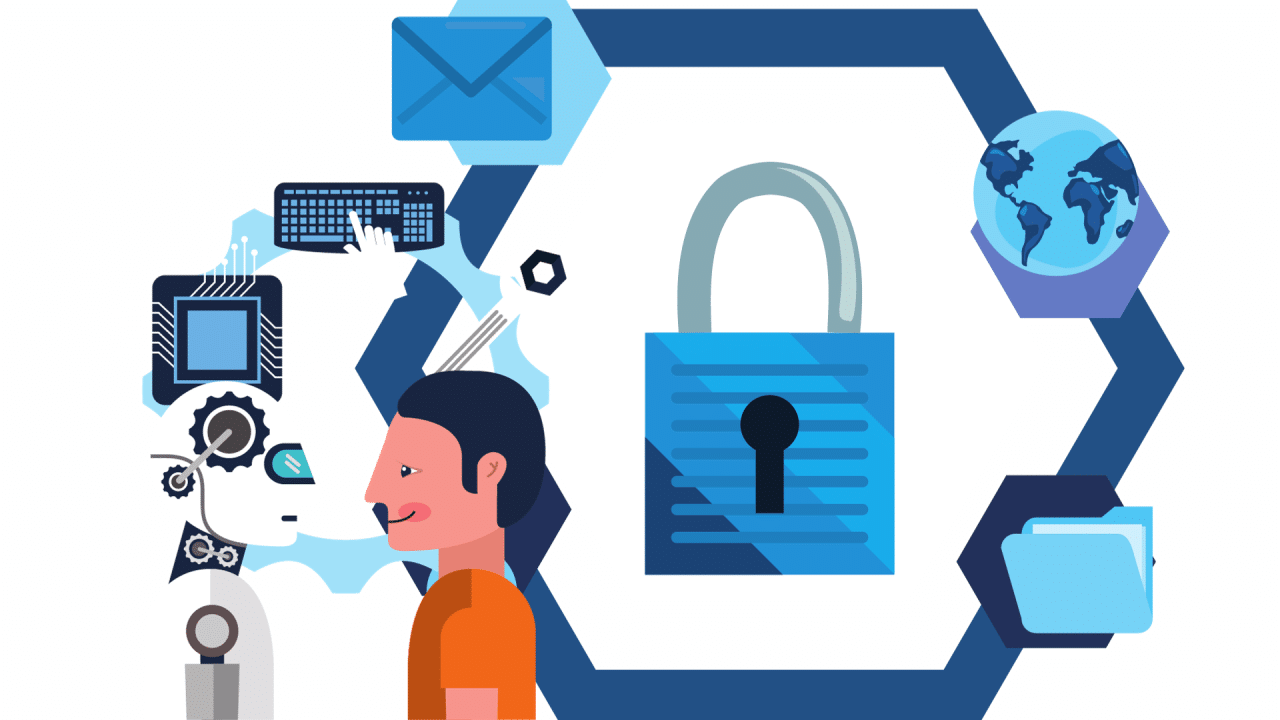
Cybercriminals often target healthcare data. Find out how MDR services help fight the advanced AI-driven cybersecurity threats facing the healthcare industry today.
Most cybercriminals are now using generative AI tools to attack healthcare systems and steal sensitive patient data. These tools can create fake medical records, send convincing phishing emails, make malware, and even change results from X-rays and MRIs.
Phishing, ransomware, and deepfakes are just a few tactics used against patients and healthcare workers. In early 2023, healthcare faced over 1,000 cyberattacks each week, a 22% increase from the year before. These numbers are concerning, but MDR services offer proactive ways to defend against the growing cybersecurity threats in healthcare.
The Rise Of More Targeted Phishing Attacks
Traditional phishing attacks tried to look like messages from trusted places such as banks or medical offices.
The aim was always to steal sensitive data using fake links and attachments, but these attacks still needed people to send emails, texts, or social media messages.
AI-powered phishing attacks use algorithms and natural language processing to create more advanced, large-scale scams that require little human input. These scams can also analyze patterns in large datasets and adjust their tactics as people and organizations get better at spotting threats. The AI behind these attacks also improves.
MDR Services Countering Advanced Bot Attacks
Older bot attacks focused on tasks like scraping websites, sending spam, or launching DDoS attacks. They followed simple scripts and could not adapt, making them easier to spot and stop.
Now, AI-powered bots can adapt and get around new security measures.
Even more worrying, AI enables bots to learn patterns and identify previously unknown weaknesses in networks. AI can also automate these attacks, making it easier to launch large targeted cyberattacks. Bots can cause serious problems for healthcare, including data breaches, service outages, hacking medical devices, and spreading false information.
Fake bot activity on healthcare platforms, such as false insurance claims, fake prescriptions, and bogus appointments, is also a big problem. AI-driven fraud wastes resources, creates financial and legal risks, and damages trust in healthcare.
AI-Assisted Malware: A New Threat Vector
AI-assisted malware is more advanced and flexible than older types of malware. It is also harder to detect and can get around security systems more easily. While traditional malware was easier to predict, AI has made malware much tougher to stop.
Besides data breaches and ransomware, healthcare organizations are also at risk from supply chain problems and compliance issues. Many rely on external vendors for medical services, devices, software, and cloud services. Attacks on these vendors can introduce malware, create backdoors, and exploit network weaknesses. This can put patient data and important systems at risk.
New technologies such as cloud computing, telemedicine, and IoT devices bring extra security challenges for healthcare. Without strong protections like MDR services, cyber attackers could get to sensitive data and disrupt care.
Deepfakes and Data Manipulation in Healthcare
Deepfake technology also uses AI and deep learning to make fake audio, video, and images that look and sound very real.
Deepfake technology is a serious threat to healthcare and can lead to:
- Altering medical records
- Creating fake documents for identity theft and fraud
- Create advanced phishing attacks via fake video and audio files.
- Misdiagnosis and treatment disruption
- Financial losses
- Privacy breaches
To protect against deepfakes and data tampering, healthcare organizations need strong cybersecurity tools, such as MDR services.
Compromising Anonymity: AI and Patient Data Patterns
Algorithms can analyze large datasets and find patterns in random data. Even when names and Social Security numbers are removed, AI can sometimes still find and gather sensitive data about individuals from seemingly random sources, such as behavioral traits, health preferences, or socioeconomic status. Along with the potential for identity fraud, this also increases the potential for discrimination and privacy issues.
When privacy is breached or data is leaked, people lose trust in healthcare organizations and doubt that their patient data is safe.
As AI-powered cybersecurity threats become more sophisticated and as AI-driven cyber threats grow more advanced and dangerous, CyberMax’s Managed Detection and Response services blend technology with human expertise to provide proactive protection before problems happen. Healthcare institutions can’t afford to wait for nefarious AI cyber threats to strike before taking action.
Source: 5 AI-Assisted Cybersecurity Threats Facing the Healthcare Industry and the Role of MDR Services








