
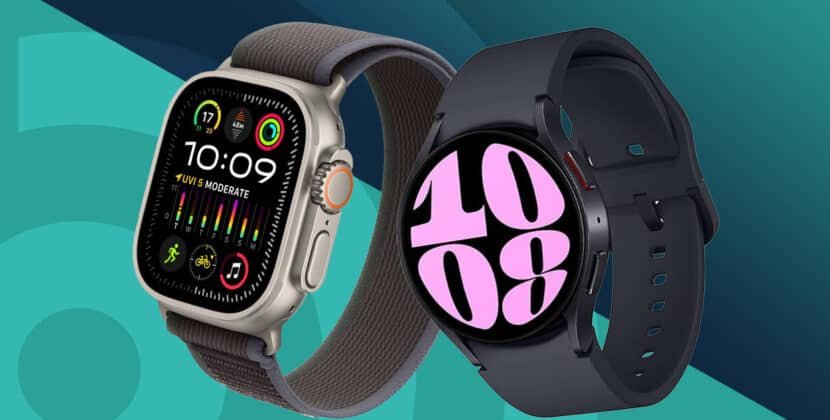





The use of AI health wearables revolutionizes personal healthcare practices across the United States by providing users with real-time predictive health monitoring capabilities. The devices from Apple, Samsung, and Oura Health use advanced AI to detect patterns and identify anomalies, issuing early health risk warnings.
Modern wearables enable users to access actionable insights from their biometric data streams, which they continuously analyze, unlike traditional fitness trackers, which only track steps and heart rate. The new system enables users to adopt a health management system that helps them identify potential health threats before they develop into serious medical problems.
The Evolution of AI in Health Wearables
The past ten years have brought major advancements to wearable technology. The first wearable devices permitted users to monitor their physical activity but did not provide complete health information. Today’s AI-powered wearable devices can track multiple health indicators, including heart rate variability, sleep patterns, blood oxygen levels, and stress levels.
Apple and Samsung use machine learning to analyze data points, enabling them to create customized health recommendations for their customers. The development shows how the healthcare industry is shifting toward preventive medicine, which requires doctors to detect health problems before they become serious and to continuously monitor patients.
Apple Watch: Integrated Health Ecosystem
Apple Watch remains one of the most comprehensive AI health wearables available. The device combines its hardware capabilities with its advanced software features through its connection to the Apple ecosystem.
The device provides heart rate monitoring and ECG functionality, blood oxygen tracking, and fall detection, with AI-driven analysis enhancing these capabilities. The watch uses these features to detect unusual patterns, which it uses to inform users about possible health problems.
Apple has established privacy and data security measures, which protect sensitive health information while enabling organizations to access vital health metrics.
Oura Ring: Precision Sleep and Recovery Tracking
With the Oura Ring, a different research approach has been taken, focusing on the two areas of sleep and recovery. This is accomplished by creating a small, ring-style device that provides users with detailed information about their sleep patterns, how ready they are to perform daily tasks, and their overall health.
In addition to providing users with information, the device also uses AI to track user performance over time and determine how factors such as stress, physical activity, and lifestyle choices can affect their overall health.
The device’s predictive capabilities also provide users with suggestions on when and for how long to take breaks and when to engage in physical activity.
Oura Health has also positioned itself as a leading provider of continuous, unobtrusive health-monitoring devices.
Samsung Galaxy Watch: Advanced Health Metrics
The Samsung Galaxy Watch incorporates several traditional smartwatch features and advanced capabilities for monitoring one’s physical health and well-being. Through its various sensors, the watch measures heart rate, ECG, and blood pressure (in select regions, where approved), as well as body fat composition.
Artificial Intelligence helps analyze these measurements, providing users with insight into their heart health and helping them achieve overall physical wellness. In addition, the user can track their sleep patterns and control their stress levels with the watch.
Samsung is also expanding its health ecosystem by integrating and connecting these wearables with its other products and health services.
Key Features to Compare
The process of assessing AI health wearables requires multiple essential elements to be considered. The sensors must provide accurate measurements because trustworthy data serves as the basis for deriving valuable insights. Apple, Samsung, and Oura Health have invested substantial resources in improving the accuracy of their sensors.
The effectiveness of AI analysis represents another critical element. The wearables must function as data-collection devices capable of analyzing data, enabling the discovery of health risk patterns and special cases.
The assessment process requires two main factors through which researchers examine device performance. Battery life and comfort are essential factors to evaluate devices designed to operate continuously.
Predictive Health Alerts and Early Detection
The main benefit of AI wearables technology lies in their capability to deliver health forecasts through predictive alerts. The devices make health predictions by analyzing long-term patterns, enabling them to detect subtle indicators of upcoming health problems.
The system enables users to detect irregular heart rhythms and sleep pattern changes at an early stage, helping them get medical help before their condition deteriorates.
The Apple Watch and Samsung Galaxy Watch demonstrate the functionality of these features by monitoring cardiovascular health.
Data Privacy and Security
The collection of sensitive personal information from health wearables requires companies to implement strict measures to protect user privacy and secure data.
Apple focuses on processing data and protecting information through encryption, while Samsung and Oura Health have developed their own methods to safeguard their systems.
When selecting a wearable device, users need to examine the complete process of how their data will be stored, shared, and used.
Integration with Healthcare Systems
The development of AI wearables has reached a stage where they now function as medical devices that share user data with healthcare systems. The system provides ongoing access to actual user behavior data, which helps doctors make better diagnostic and treatment decisions.
Users can share their health data with doctors through Apple Watch, which connects to health applications and medical systems.
The system establishes a foundation for delivering healthcare services that combine personal customization with evidence-based medical practices.
Limitations and Challenges
Health wearables with artificial intelligence capabilities provide advantages to users. The sensors experience accuracy problems, while artificial intelligence forecasts do not replace doctor recommendations.
User adoption and costs, together with regulatory approval requirements, create obstacles. Device acceptance depends on the ability to fulfill medical certification requirements.
Samsung and Apple work together to enhance device reliability while they expand their software capabilities.
Conclusion: Choosing the Right AI Health Wearable
AI health wearables offer advantages, but they face several limitations. Sensor accuracy is inconsistent, while AI models fail to provide proper medical evaluation in accordance with established guidelines.
The user adoption process faces obstacles, including high costs and regulatory approvals. The medical community needs to trust devices as valid solutions before they can achieve widespread use.
Samsung and Apple focus on two main areas: enhancing product reliability while adding new functionalities.
Sources:
Samsung Unveils ‘Design Is an Act of Love’ Exhibition at Mila


