




Seattle, Washington
Moving Prime Day up by just one week can shift billions of dollars in spending. Amazon is counting on this by holding Amazon Prime Day before the usual July shopping rush. Shoppers get an early chance at deals, competitors have less time to plan, and brands must rethink how they attract attention before Independence Day and the World Cup.
The surprise announcement that Amazon moves up Prime Day 2026 to June 23 with grocery prizes reflects more than a scheduling adjustment. It signals a deliberate attempt to capture spending before households divide their budgets across holiday travel, sporting events, and summer entertainment.
Amazon Prime Day Arrives Earlier Than Expected
People have long expected Amazon Prime Day to happen in mid-July. This schedule influenced how stores planned their sales, stocked products, and ran ads. Shifting the event to late June is a deliberate business move, not just a simple date change.
By moving Prime Day earlier, Amazon can build excitement before people start spending for the Fourth of July. It also puts Amazon ahead of the busy shopping period during the FIFA World Cup, when demand for electronics, snacks, and household items typically increases.
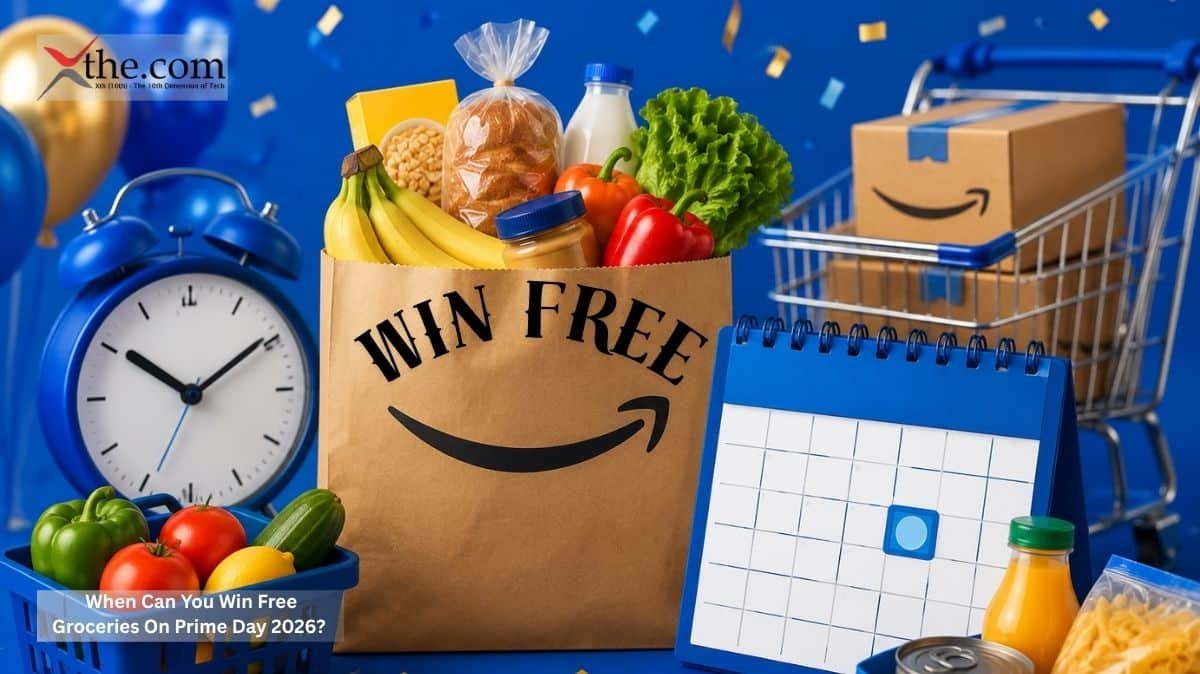
The biggest surprise this year is the chance to win free groceries. Amazon’s plans let eligible shoppers enter to win free groceries during Prime Day, making the event more appealing to people beyond just those looking for electronics or household goods.
This move to hold Prime Day on June 23, with grocery prizes, is one of Amazon’s biggest strategic changes in recent years.
Why Grocery Rewards Matter More Than Electronics Discounts
What shoppers care about has shifted. Even though inflation isn’t as high as before, groceries are still one of the biggest regular expenses for most families.
Winning free groceries is a clear benefit for most shoppers. While a cheaper TV is great for those making a big purchase, grocery savings help almost every family.
This explains why Prime Day grocery deals have become one of the event’s strongest marketing messages. Instead of focusing exclusively on expensive devices, Amazon is widening the event to include everyday necessities that encourage repeat visits throughout the promotion.
Experts call this approach frequency-based engagement. Instead of pushing shoppers to make one big purchase, Amazon wants people to come back and shop several times, checking for new grocery deals or prizes throughout Prime Day.
Amazon Prime Day Competes Before the July Rush
Amazon’s timing is now one of its biggest strengths.
Stores usually plan their big sales around Independence Day, and global sports events bring another round of shopping. This year, World Cup sales are expected to boost demand for TVs, streaming gear, party supplies, drinks, and snacks.
By holding Amazon Prime Day before these busy shopping times, Amazon can grab shoppers’ extra spending money before other stores ramp up their own sales.
This strategy assists Amazon in several ways. It avoids direct competition with July sales, brings in revenue earlier in the quarter, and gets customers involved before other stores start offering big discounts.
For shoppers, having Prime Day earlier means they might make buying decisions weeks earlier than they usually would.
How Prime Day Grocery Deals Could Influence Shopping Behavior
Adding more Prime Day grocery deals shows that shoppers’ habits are changing, not just that Amazon is trying something new for a short time.
Buying groceries online is now a regular habit for millions of families. Amazon has invested heavily in delivery, order fulfillment, and ensuring groceries fit seamlessly into its overall shopping experience.
Giving away grocery prizes helps build customer loyalty because the reward is practical, not just fun. If a family wins free groceries, they save real money on things they already need.
This promotion also keeps shoppers coming back throughout the event, rather than just making a single purchase on the first day.
Retail experts often point out that getting shoppers to come back again and again leads to bigger orders over time. Grocery deals help with this because people need to restock essentials regularly.
The Growing Role of Shopping Tools
Shoppers don’t just look at homepage deals anymore. More and more, they use digital shopping tools to compare prices, check past discounts, keep track of wish lists, and get alerts when items they want are available.
These tools are especially useful during big sales events, since prices can change several times in one day.
Instead of constantly checking product pages, shoppers can let these tools do the work and focus on the items they care about most.
For Amazon, this trend is a two-sided sword. Shoppers who know more might be pickier, but they also spend more time on the site thanks to personalized alerts that keep them browsing.
World Cup Sales Add Another Competitive Layer
Big sports events affect what people buy, not just tickets.
Families getting ready for international games usually buy new TVs, streaming devices, speakers, outdoor furniture, and party supplies. Grocery shopping also goes up as people get ready for watch parties.
Because of these spending habits, World Cup sales are one of the most competitive times for retailers each year.
By positioning Amazon Prime Day before that demand surge, Amazon effectively asks consumers to allocate part of their entertainment budget earlier than they normally would.
Other retailers now feel more pressure. If they move their sales earlier to match Amazon, they might make less profit. But if they wait until July, they could lose shoppers who have already made their big summer purchases.
Why This Calendar Shift Matters Beyond 2026
Retail sales calendars used to be pretty predictable. Now, companies change their sale dates more often based on what shoppers do, logistics problems, and what competitors are planning.
The decision by Amazon to move up Prime Day 2026 to June 23, with grocery prizes, shows that big retailers now see event timing as a way to compete, not simply as a tradition.
Such flexibility also matches how shoppers’ expectations have changed. People now want convenience, instant value, and personal rewards, rather than waiting for old-fashioned sale dates.
It’s not yet clear whether grocery prizes will become a regular part of Prime Day. Still, this move aligns with Amazon’s broader goal of getting shoppers more involved in everyday purchases, not just expensive products.
The retail calendar is now a key part of competition. By moving Prime Day earlier, adding grocery deals, getting ready for World Cup sales, and helping shoppers buy smarter with digital tools, Amazon is trying to influence shopping habits before other stores launch their summer sales. If this works, late June could become the new standard for big summer sales, forcing other retailers to rethink their own schedules.
Source: Amazon News