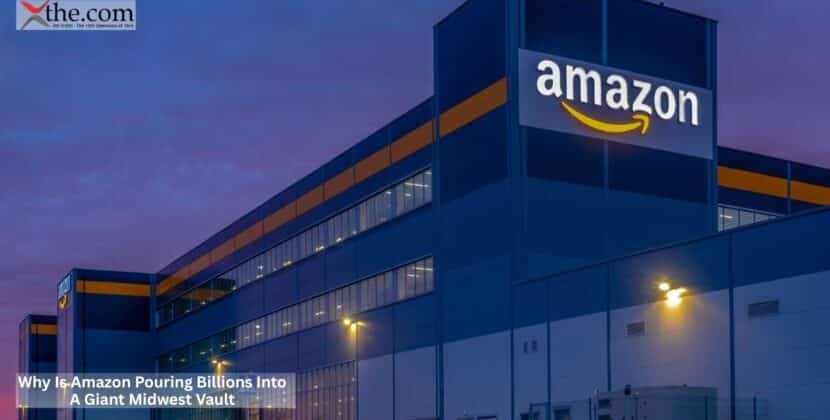






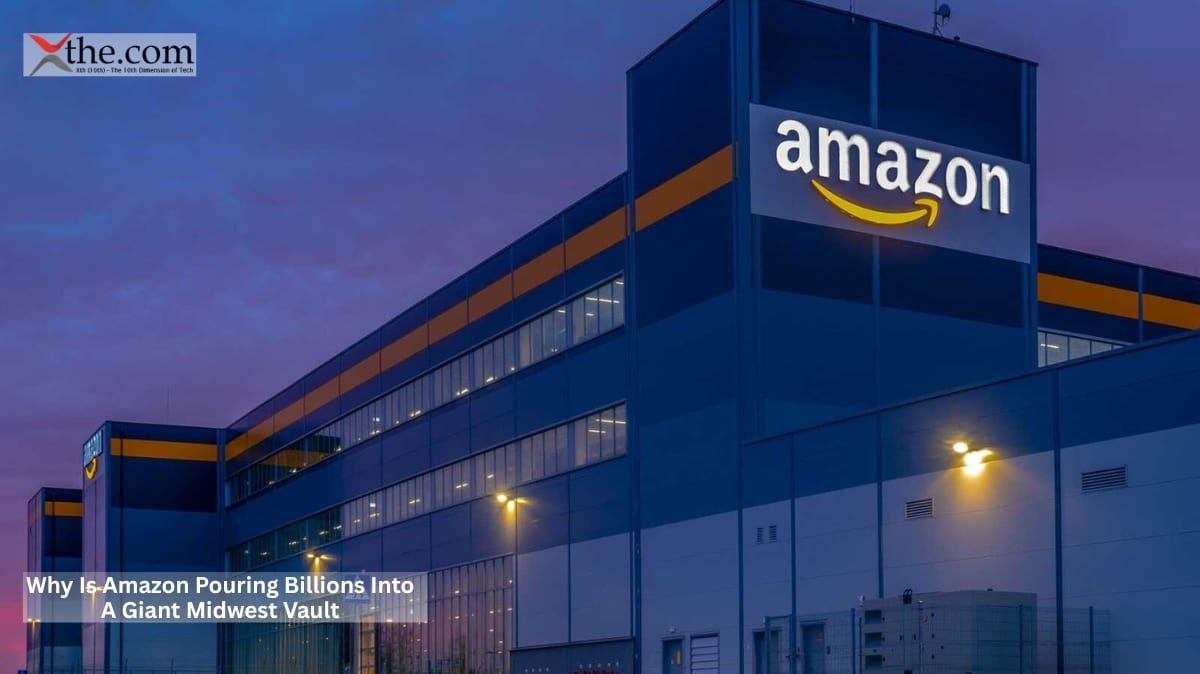
Montgomery County, Missouri
A cloud outage can disrupt emergency services, delay financial transactions, and prevent businesses from accessing critical systems. But a bigger question often goes unnoticed: where is sensitive data stored, and how is it kept safe inside huge server networks? This is the focus of the new Amazon Data Center Missouri project, a multi-billion-dollar effort to build one of the most secure and self-sustaining cloud hubs in the Midwest.
The facility in Montgomery County, Missouri, is far more than an increase in cloud capacity. It shows a significant shift in how large tech companies approach security, energy independence, and robust local infrastructure. The project integrates physical security, its own power sources, and advanced environmental systems to support sustained development and protect sensitive data.
Why the Midwest Is Becoming a Strategic Cloud Infrastructure Hub
For years, major cloud providers concentrated infrastructure investments near coastal technology corridors. Northern Virginia, Silicon Valley, and major metropolitan regions became synonymous with large-scale cloud operations.
That model is changing.
The new Amazon Data Center Missouri project shows why inland locations are becoming more popular. Being in the center of the country improves network coverage, reduces the risk of overbuilding in one area, and brings economic growth to communities that big tech companies often ignore.
Montgomery County’s location allows Amazon to serve customers across different regions and maintain backup options. If bad weather or a local issue occurs, work can be moved to other sites, so service continues without interruption.
For organizations relying on secure cloud storage, geographic diversity has become increasingly important.
The Security Architecture Behind the Montgomery County Campus
Building Layers of Physical Protection
Security begins long before a server processes a single request.
The Montgomery County campus uses several layers of physical security to keep unauthorized people out. While the exact details are secret, these large facilities usually have fences, monitored entry points, biometric ID systems, and constant video surveillance.
The objective is simple. Sensitive data should never be exposed because of a physical breach.
Inside places like the Amazon Data Center in Missouri, the building is divided into secure zones. Staff can only enter the areas they need for their jobs. This setup limits risk and keeps sensitive areas safer.
For businesses storing financial records, healthcare information, customer databases, or government documents, these safeguards serve as the first line of defense for secure cloud storage environments.
Understanding Amazon Data Center, Missouri, Montgomery County Campus Security
The most important aspect of the development may be its integrated approach to protection.
When people talk about Amazon Data Center, Missouri, Montgomery County campus security, they mean more than just fences and locked doors. It covers everything related to how data is handled and stored at the site.
Modern cloud centers keep important tasks separate using both physical barriers and digital controls. Storage, networking, and processing equipment operate in tightly managed spaces to prevent unauthorized access.
The security plan at the Amazon Data Center, Missouri, Montgomery County campus demonstrates a broader industry movement toward layered protection, with physical barriers, operational rules, and digital security all working together.
This approach creates a system focused on control, transparency, and the ability to recover from problems.
How Dedicated Energy Infrastructure Enhances Grid Safety
One of the most notable elements of the project involves power generation and distribution.
Data centers use a huge amount of electricity. Even a short power outage can affect thousands of apps and services. Maintaining smooth operations takes more than just backup generators.
The new campus has its own 138-megawatt carbon-free energy structure created to support long-term operations while improving grid safety.
This approach benefits both Amazon and the surrounding communities.
With its own energy resources, the facility puts less strain on the local power grid. During periods of high demand, the campus can operate more independently rather than relying on city power.
That distinction matters.
People in the area sometimes worry that big tech centers might overload local utilities. By focusing on grid safety, Amazon is showing it wants to support growth without risking the reliability of local services.
For cloud customers, reliable energy translates directly into service continuity.
The Closed Rain-Harvesting Cooling Framework
Rethinking Water Consumption
Cooling remains one of the largest operational problems inside modern data centers.
Thousands of servers run all day and night, creating a lot of heat. Standard cooling systems use a lot of water, which can be a problem in places where water is scarce.
The Amazon Data Center Missouri project uses a closed rain-harvesting cooling system to reduce the need for external water.
Instead of always using new water, the system collects rain and reuses it for cooling. This method is more efficient and better for the environment.
The engineering gains extend beyond sustainability.
Keeping the temperature steady helps hardware work better and keeps storage systems reliable for secure cloud storage services. Significant temperature fluctuations can cause problems, so effective cooling is important for lasting success.
Protecting Active Storage Nodes
Cooling systems do more than manage temperature.
Cooling systems also protect equipment from problems that could hurt performance or cause downtime. By maintaining a controlled environment, the campus reduces the risk of overheating, equipment strain, and service outages.
How the environment is managed is closely tied to operational reliability. This connection is a key part of security at the Amazon Data Center, Missouri, and Montgomery County campus security.
Physical security protects against outside threats. Environmental controls protect against internal operational vulnerabilities.
Together, they develop a more resilient infrastructure platform.
Economic Impact Beyond Technology
The project’s influence reaches far beyond cloud computing.
Large facilities like this bring construction jobs, create permanent tech roles, and attract other businesses to the area. The Montgomery County campus might establish a new standard for economic growth in the region.
Importantly, this growth doesn’t require the area to become a typical tech hub.
Instead, it shows that advanced infrastructure can succeed in inland areas and still benefit local economies.
For local leaders, this project is an example of how technical investments can align with community needs, sustainability goals, and power grid safety.
What This Means for the Future of Secure Cloud Storage
The significance of the Amazon Data Center Missouri project reaches beyond Missouri’s borders.
Consumers increasingly trust cloud platforms with personal photos, financial records, healthcare information, and business documents. Every year, the amount of sensitive information stored remotely continues to expand.
That growth places greater importance on secure cloud storage systems. As this amount grows, it becomes even more important to have secure cloud storage that protects data at every step. Modern cooling infrastructure and layered security controls position the Montgomery County campus as an example of how future cloud facilities may operate. The emphasis on Amazon Data Center, Missouri, Montgomery County campus security suggests that next-generation infrastructure will focus not only on capacity and performance, but also on creating self-contained environments in which data stays protected regardless of external conditions.
As cloud companies continue to build in inland areas, projects like this could change where important digital infrastructure is located and how well it protects the information of millions of Americans.