






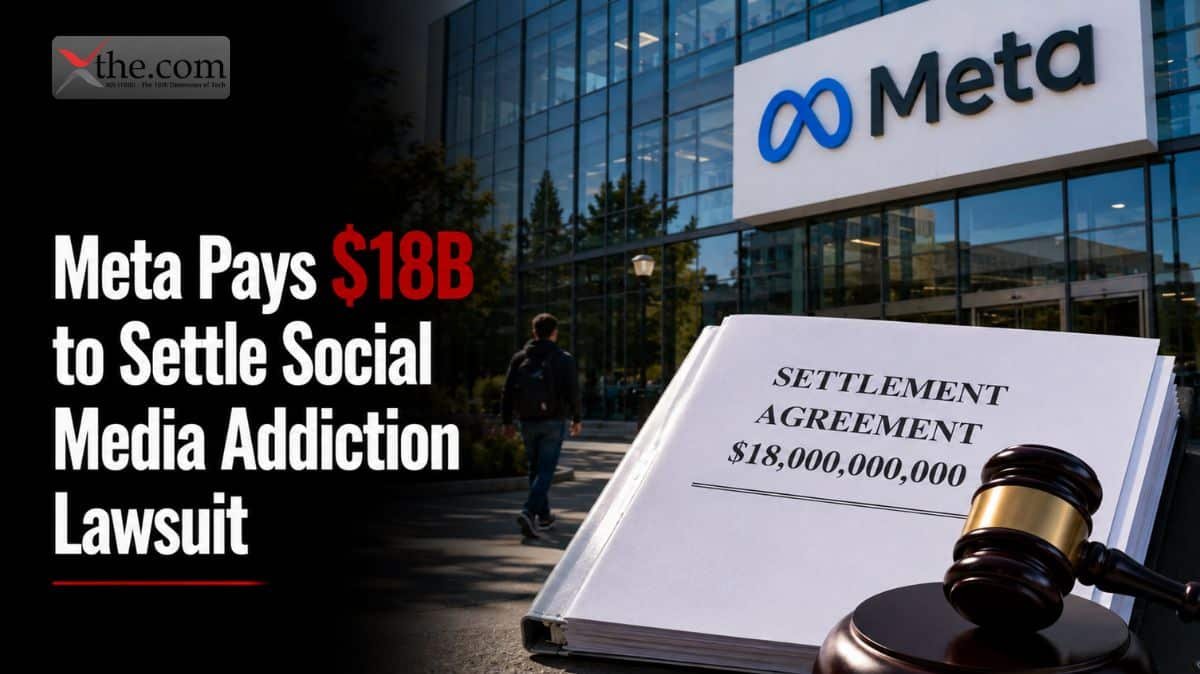
Meta Platforms has agreed to pay up to $18 billion over the next decade to settle a massive lawsuit brought by 29 US states accusing the company of designing Facebook and Instagram in ways that deliberately addicted children and fueled a youth mental health crisis. The settlement, announced on August 26, 2026, is the largest social media-related payout in history and represents a watershed moment for Big Tech accountability.
What Happened
The lawsuit, originally filed in 2024 by California and joined by 28 other states, alleged that Meta knowingly designed its platforms to exploit the developing brains of teenagers. The states claimed that Meta used addictive design features such as infinite scroll, autoplay videos, and push notifications specifically calibrated to keep young users engaged for as long as possible. Internal documents reportedly showed that Meta executives were aware of the harmful effects on minors but chose profits over safety. The states argued that Meta violated consumer protection laws and created a public nuisance by allowing algorithms to push increasingly harmful content to vulnerable users, including content related to self-harm, eating disorders, and suicidal ideation. The case was initially filed in Los Angeles Superior Court before being consolidated into a federal multidistrict litigation. Discovery documents revealed that Meta internal research teams had conducted studies showing that Instagram use was associated with increased rates of depression and anxiety among teenage girls, yet the company chose not to make these findings public or alter its platform design. This evidence became central to the states case and drew comparisons to internal tobacco company research from the 1990s that showed awareness of health risks.
The Settlement Details
Under the terms of the settlement, Meta will pay approximately $18 billion spread over the next ten years. Of that amount, $1 billion will be allocated directly to youth mental health services and grants for Texas schools, according to a state news release. The remaining funds will be distributed among the 29 participating states. Additionally, Meta has agreed to implement strict restrictions on how teenagers use Facebook and Instagram. These restrictions include limits on algorithmic recommendations for users under 18, mandatory age-verification technology, and reduced data collection on minor users. The company must also submit to independent audits of its child safety practices for the next five years. The settlement structure includes milestone payments over the decade, with the first billion dollars due within the first year. State attorneys general from California, New York, Texas, and Florida led the negotiations. Legal analysts at Harvard Law School called the settlement the most significant consumer protection agreement in the history of technology regulation, comparing it to the 1998 tobacco Master Settlement Agreement that fundamentally changed how cigarette companies marketed to young people.
What Meta Says
Meta released a statement saying the company has already invested heavily in creating safer experiences for younger users. A company spokesperson said Meta disagrees with the characterization in the lawsuit but believes this settlement is in the best interest of all parties. The company pointed to recent features it has introduced, including teen accounts with default privacy settings and time limits for users under 18. However, critics argue that these features were only implemented after years of public pressure and regulatory scrutiny.
Why This Matters
This settlement sets a powerful precedent for how social media companies will be held accountable for their impact on young users. Legal experts say the $18 billion figure will likely encourage more states and even individual families to pursue similar lawsuits against other platforms. The case also comes at a time when Congress is debating the Kids Online Safety Act (KOSA), which would impose even stricter requirements on platforms serving minors. If KOSA passes, combined with this settlement, it could fundamentally reshape how social media companies operate in the United States.
Impact on Users
For parents across America, this settlement signals a long-overdue shift in how the tech industry treats children. If your teenager uses Facebook or Instagram, you should expect to see changes in the coming months. Meta will be required to implement stronger age-verification tools, which means it may become harder for minors to create accounts. The algorithmic restrictions will also reduce the amount of addictive content served to young users. However, cybersecurity experts warn that the age-verification technology Meta plans to use is still imperfect. A recent TechCrunch investigation found that current age-verification methods can be easily bypassed, raising questions about how effective these safeguards will truly be. Educational institutions are also expected to benefit from the settlement funds. Several states have announced plans to use their share to fund digital literacy programs in public schools, teaching children how to recognize manipulative design patterns and protect their personal information online. School districts in Los Angeles, Chicago, and Houston have already outlined proposals for new media literacy curricula funded through these settlement dollars.
The Bigger Picture
The Meta settlement is part of a broader reckoning for Big Tech. TikTok recently agreed to pay $400 million to settle a separate lawsuit over child privacy violations under COPPA. YouTube paid $170 million in 2019 for similar issues. But Meta’s $18 billion payout dwarfs all of these combined, signaling that courts and regulators are becoming increasingly willing to impose massive financial penalties on companies that fail to protect young users. The message is clear: the era of tech companies operating without accountability for their impact on children is coming to an end.
What Happens Next
The settlement still requires final court approval, which is expected in the coming months. Once approved, affected states will begin receiving their allocated funds. Individual families may also have the opportunity to participate in a separate claims process. Meanwhile, Meta must begin implementing the required safety changes within 90 days. The company has indicated it will comply with all terms of the settlement while continuing to develop its AI-powered safety tools. Industry observers note that Meta stock price actually rose slightly after the settlement announcement, suggesting investors had feared an even larger payout. The relatively modest operational changes required by the settlement, combined with resolution of years of legal uncertainty, appears to have been received positively by Wall Street. However, consumer advocacy groups argue the settlement does not go far enough and that Congress should pass legislation requiring even stronger protections for minors online.
External Sources
- New York Times: https://www.nytimes.com/2026/08/26/technology/meta-settlement-social-media-addiction-lawsuit.html








