





A Record-Breaking Year for Vaccine Opt-Outs
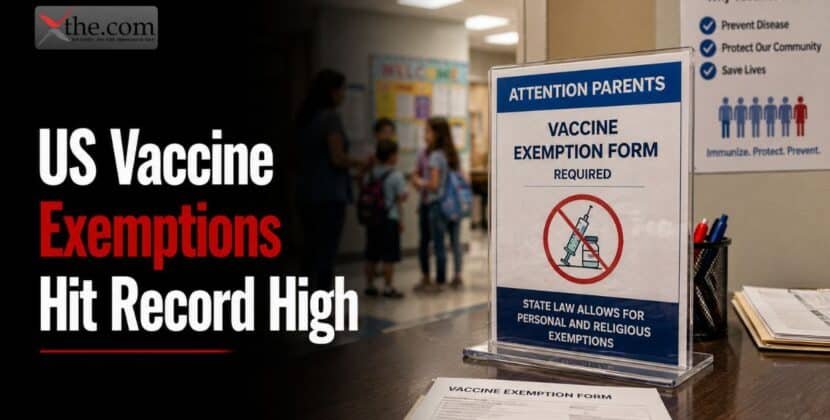
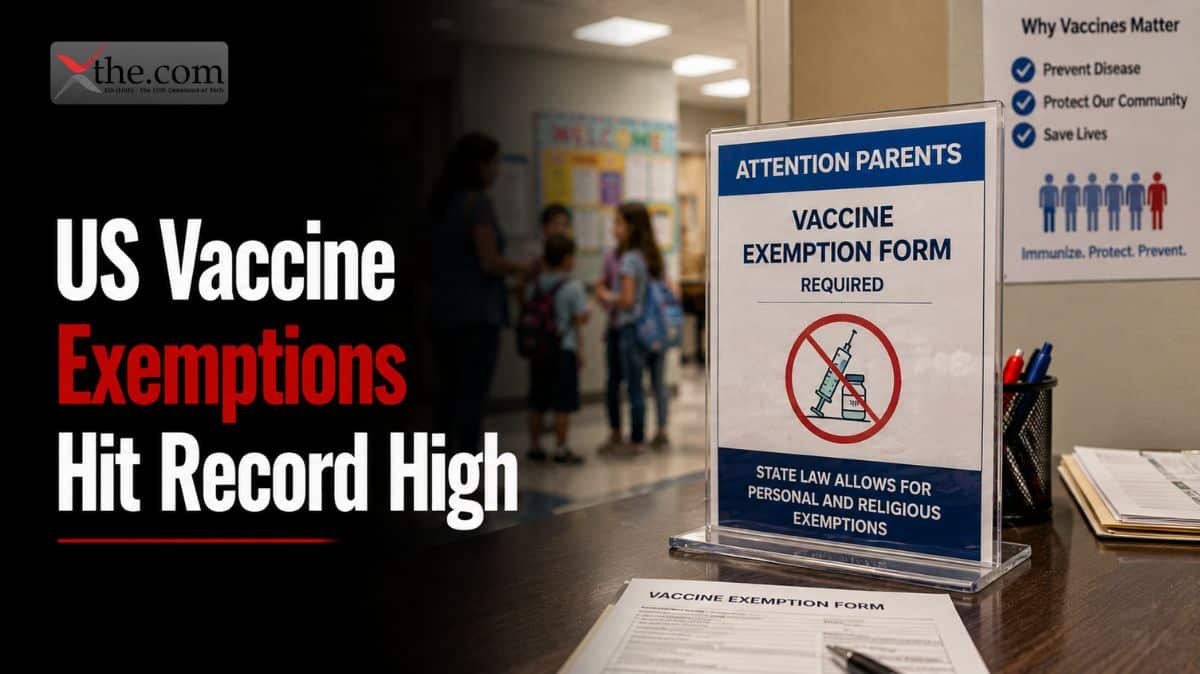
The Centers for Disease Control and Prevention has released data showing that vaccination exemption rates among US kindergartners reached a record high during the 2025-26 school year, even as measles cases across the country continue to surge. The findings, published on August 17, 2026, paint a troubling picture of declining immunization coverage in American schools.
According to the CDC report, 4.2 percent of kindergartners, approximately 155,000 children, received at least one nonmedical vaccine exemption during the last school year. This represents a significant increase from 3.6 percent the previous year and marks the highest exemption rate ever recorded in the United States.
What the Numbers Show
The CDC annual school vaccination survey covers immunization data from all 50 states plus the District of Columbia. The report tracks exemptions from required vaccines including measles, mumps, and rubella (MMR), diphtheria, tetanus, and pertussis (DTaP), and polio vaccines.
The 4.2 percent exemption rate means that more than one in 25 kindergartners in the US is not fully vaccinated against serious preventable diseases. Public health experts generally agree that vaccination rates of 95 percent or higher are needed to maintain herd immunity for highly contagious diseases like measles.
The data reveals stark geographic disparities. In 10 states, more than 5 percent of kindergartners are exempt from routine vaccines. Utah, Idaho, and Oregon lead the nation in exemption rates, with some counties reporting rates as high as 15 percent. Meanwhile, states like Mississippi, West Virginia, and California maintain strict vaccine requirements with exemption rates below 1 percent.
The Measles Connection
The rising exemption rates coincide with a dramatic increase in measles cases across the United States. In 2026, the US has recorded more than 2,500 confirmed measles cases, the highest number since the disease was declared eliminated in the country in 2000.
Measles is one of the most contagious diseases known to medicine. A single infected person can spread the virus to up to 90 percent of unvaccinated individuals they come into contact with. The disease can cause severe complications including pneumonia, brain swelling, and death, particularly in young children.
The CDC has linked many of the 2026 measles outbreaks to communities with high exemption rates. In several cases, outbreaks began in schools where a critical mass of unvaccinated students created conditions for rapid viral spread.
Why Are More Parents Opting Out?
The reasons behind rising vaccine exemptions are complex and varied. Public health researchers have identified several contributing factors including misinformation about vaccine safety on social media, political polarization around public health measures, declining trust in government health agencies, and the growth of online communities that promote vaccine skepticism.
The COVID-19 pandemic appears to have accelerated the trend. Studies have shown that the politicization of COVID-19 vaccines spilled over into attitudes about childhood vaccinations more broadly. Parents who were skeptical of COVID-19 vaccine mandates extended that skepticism to school vaccination requirements.
Nonmedical exemptions, those based on personal, religious, or philosophical beliefs, account for the vast majority of the increase. Medical exemptions, which are granted by physicians for children with legitimate health conditions, have remained stable at approximately 0.2 percent.
Public Health Response
Health officials at both the federal and state levels are grappling with how to respond to the trend. The CDC has launched a nationwide public education campaign aimed at parents of young children, emphasizing the safety and effectiveness of routine vaccinations.
Several states have considered tightening their vaccine exemption laws. New York and Connecticut have introduced legislation to eliminate nonmedical exemptions, following the lead of California, which eliminated personal belief exemptions in 2015 following a measles outbreak at Disneyland.
However, legislative efforts face significant political opposition. Many parents view vaccine mandates as an infringement on parental rights and personal freedom. In several states, proposed restrictions on exemptions have been blocked by legislatures or defeated in public referendums.
What Parents Need to Know
Pediatricians and public health experts are urging parents to ensure their children are up to date on all recommended vaccinations before the start of the 2026-27 school year. Most states require proof of vaccination for school enrollment, with limited exceptions.
The CDC recommends that children receive the MMR vaccine in two doses: the first between 12 and 15 months of age, and the second between 4 and 6 years of age. Children who have received both doses are 97 percent protected against measles.
For parents who have concerns about vaccine safety, the American Academy of Pediatrics recommends speaking with their child pediatrician rather than relying on information from social media or online forums. Pediatricians can provide evidence-based answers to specific questions about individual vaccines.
Looking Ahead
The record-high exemption rates represent a significant public health challenge that will likely take years to address. Rebuilding trust in vaccines requires sustained effort from healthcare providers, public health agencies, and community leaders.
In the meantime, public health officials are bracing for the possibility of more measles outbreaks in the coming school year. Hospitals and clinics in areas with high exemption rates are preparing for potential surges in cases, particularly among unvaccinated children.
The data underscores a fundamental tension in American public health policy: the balance between individual freedom and collective safety. As exemption rates continue to rise, that tension is likely to intensify, with significant implications for the health of millions of American children.
The financial burden of measles outbreaks is also significant. The CDC estimates that each case of measles costs the public health system approximately 0,000 to 0,000 when factoring in contact tracing, quarantine enforcement, and medical treatment. With over 2,500 cases in 2026, the total cost to the public health system could exceed 0 million.
School districts in areas with high exemption rates have been forced to implement emergency exclusion policies, temporarily barring unvaccinated students from attending classes during active outbreaks. These policies have sparked heated debates at school board meetings, with parents on both sides expressing strong feelings about the balance between public health and individual choice.
The trend has also created new business opportunities. Companies selling alternative health products and supplements marketed as immune system boosters have seen sales increase dramatically. However, public health experts caution that no supplement or alternative remedy can replace the proven protection provided by routine vaccinations.
External Sources: