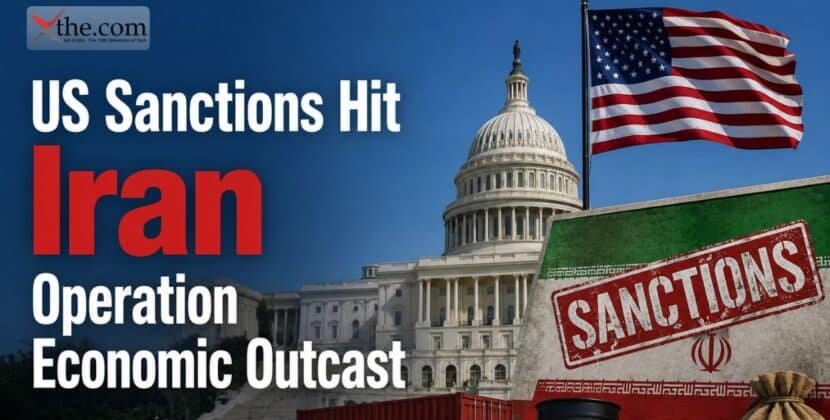






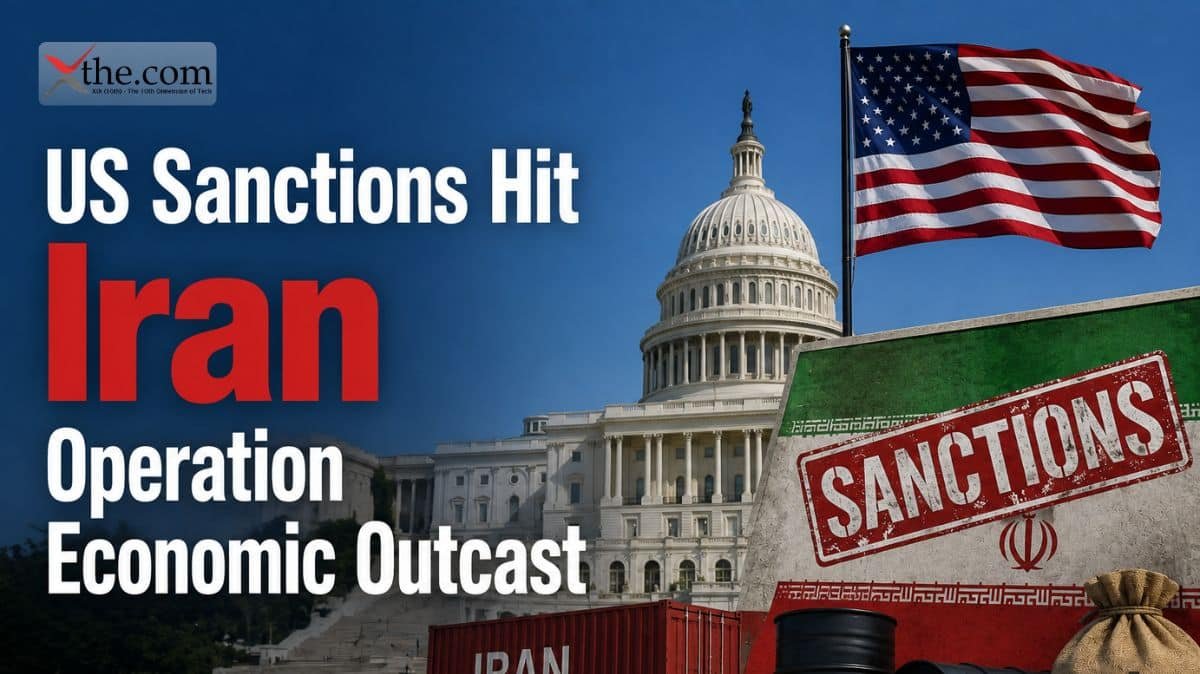
The United States has launched what it calls Operation Economic Outcast, a sweeping new sanctions package targeting Iran military activities, procurement networks, and petroleum trade. The announcement, made by the Department of State on August 24, 2026, represents the most comprehensive economic pressure campaign against Tehran since the 2026 military confrontation.
The sanctions, which were coordinated with the Treasury Department Office of Foreign Assets Control, target a wide range of Iranian entities and individuals involved in weapons procurement, military operations, and the export of petroleum and petrochemical products.
Background: The 2026 Iran Conflict
The current sanctions regime must be understood in the context of the military confrontation that began in February 2026. On February 28, 2026, the United States and Israel launched coordinated military strikes against Iran, targeting nuclear facilities and military installations. The strikes killed Iran Supreme Leader Ali Khamenei.
However, the military action did not resolve the underlying tensions between Washington and Tehran. Iran military leadership vowed that the country would not submit to American demands, and the conflict quickly evolved from a military confrontation into a broader economic and diplomatic struggle.
The sanctions strategy reflects a broader shift in American foreign policy toward economic tools as the primary means of projecting power. After the military strikes demonstrated the limits of kinetic action, the administration turned to financial pressure as a more sustainable approach.
What the New Sanctions Target
Operation Economic Outcast targets three main areas of the Iranian economy. First, the sanctions directly target Iran military procurement networks, including entities involved in acquiring weapons components, military technology, and materials that could be used in weapons development.
Second, the sanctions target Iran petroleum and petrochemical export trade, which remains the country primary source of foreign revenue. New restrictions make it more difficult for Iran to sell oil on the international market.
Third, the sanctions impose secondary restrictions on foreign entities that do business with targeted Iranian organizations. This secondary sanctions component is particularly significant because it forces companies worldwide to choose between doing business with Iran and maintaining access to the American financial system.
International Reaction
The announcement of Operation Economic Outcast has generated mixed reactions on the international stage. American allies in Europe and the Middle East have largely expressed support for the sanctions, viewing them as a necessary response to Iran military aggression.
However, some nations have expressed concern about the potential impact of the sanctions on global energy markets. Iran remains a significant oil producer, and restrictions on its petroleum exports could contribute to higher energy prices worldwide.
Iran foreign minister has dismissed the sanctions as a desperate ploy, characterizing them as evidence that the United States has failed to achieve its objectives through military means.
Impact on Global Energy Markets
The petroleum sanctions component of Operation Economic Outcast has significant implications for global energy markets. While Iran oil production has been reduced by previous sanctions, the country still exports a meaningful volume of crude oil and petrochemical products.
Energy market analysts are watching closely to see how OPEC and other major oil producers respond to the sanctions. Saudi Arabia and other Gulf states have the capacity to increase production to offset lost Iranian volumes.
For American consumers, the sanctions could contribute to higher gasoline prices, particularly if global oil supply tightens significantly. This creates a political challenge for the administration.
The Broader Geopolitical Context
Operation Economic Outcast is part of a broader shift in American foreign policy that emphasizes economic tools over military action. The approach reflects lessons learned from decades of military engagements in the Middle East.
The sanctions strategy also reflects the growing importance of the financial system as a tool of geopolitical power. The United States control over the global dollar-based financial system gives it extraordinary leverage to restrict the economic activities of targeted nations.
However, the effectiveness of sanctions as a foreign policy tool is debated among experts. Some argue that sanctions are effective at constraining the behavior of targeted nations, while others contend that they primarily harm ordinary citizens.
Looking Ahead
Operation Economic Outcast represents a significant escalation in the economic pressure campaign against Iran. The coming weeks and months will reveal whether the sanctions achieve their intended objectives.
The effectiveness of the sanctions will depend on several factors, including the degree of international compliance, Iran ability to find workarounds, and the impact on global energy markets.
For the technology sector, the Iran sanctions highlight the increasing intersection of geopolitics and technology. Restrictions on technology exports to Iran, combined with the broader sanctions framework, create a complex compliance environment for technology companies operating internationally.
As the sanctions regime takes effect, all eyes will be on Tehran response. Will the economic pressure force Iran to make concessions, or will it strengthen the hand of hardliners who advocate resistance? The answer to this question will shape not only the future of US-Iran relations but also the broader trajectory of Middle Eastern geopolitics.
The secondary sanctions component leverages the centrality of the US dollar in global finance.
This secondary sanctions mechanism has been a source of friction between the US and its European allies.
The technology sector faces particular compliance challenges with export controls on advanced technologies.
Energy analysts are closely monitoring the impact on global oil prices as the new measures target remaining loopholes.
The sanctions also target Irans cyber capabilities which have been linked to attacks on US infrastructure.
Diplomatic channels remain open despite the escalating sanctions.
The long-term trajectory of US-Iran relations remains uncertain as the situation involves nuclear proliferation, regional security, and energy markets.
The human cost of the sanctions is a significant concern. Previous rounds have been blamed for exacerbating humanitarian conditions in Iran.
The oil market response has been closely watched by traders and analysts.
Regional allies including Saudi Arabia, UAE, and Israel have expressed strong support for the sanctions.
The effectiveness of Operation Economic Outcast will ultimately be judged by whether it achieves its stated objectives of constraining Iranian military capabilities and bringing Tehran to the negotiating table.
The sanctions regime represents a significant escalation from previous rounds of economic pressure, and its success or failure will have lasting implications for how the United States uses economic tools as instruments of foreign policy.