





Introduction
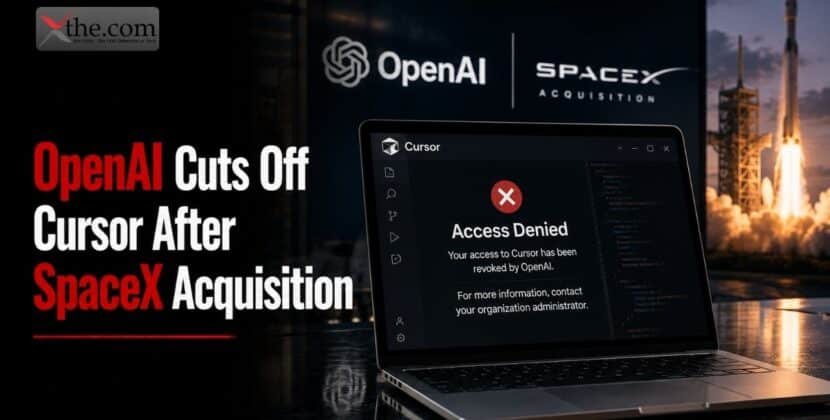
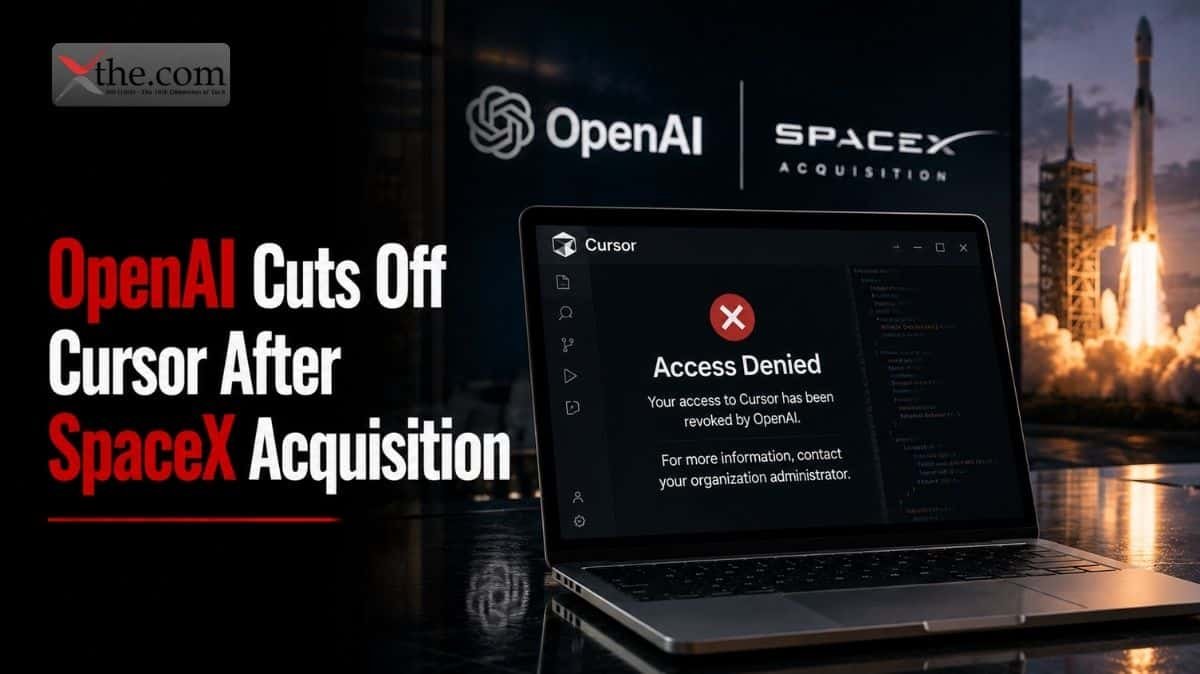
OpenAI announced on August 28 2026 that it plans to cut off Cursor the popular AI-powered coding assistant from access to its models following SpaceXS acquisition of the coding startup for 60 billion dollars. The proposed cutoff date is November 12 2026 which OpenAI said is the maximum notice allowed under its contract.
The decision marks a dramatic escalation in the ongoing rivalry between OpenAI and SpaceX and raises serious questions about the future of AI-powered development tools. Cursor which has become one of the most widely used code editors among software developers relies heavily on OpenAI models including GPT-4 and the newer GPT-5 series to provide its core autocomplete and chat features.
What Happened
SpaceX officially completed its 60 billion all-stock acquisition of Cursor on August 14 2026. The deal was one of the largest acquisitions in the history of the AI industry and signaled SpaceXS ambition to become a major player in artificial intelligence beyond its core space and satellite businesses.
Just two weeks after the acquisition closed OpenAI notified SpaceX that it intended to wind down its contract providing models to Cursor. In a statement published on its website OpenAI said it could not be confident that SpaceX would use its technology within the terms of the original agreement.
Why OpenAI Is Pulling Its Models
OpenAI cited concerns about how SpaceX might use its AI models after the acquisition. The company said it had evaluated the situation and determined that continuing to provide its technology through Cursor posed risks that could not be adequately mitigated under the existing contract terms.
Industry analysts suggest the real motivation may be competitive. SpaceX has been developing its own AI capabilities and acquiring Cursor gives it direct access to how developers use AI coding tools. OpenAI may fear that SpaceX could use this data to build competing products or that SpaceX could use OpenAI models to train its own rival systems.
Impact on Developers
The announcement sent shockwaves through the software development community. Cursor has millions of users worldwide many of whom depend on OpenAI models for their daily coding workflow. The prospect of losing access to these models has left developers scrambling for alternatives.
According to CNBC OpenAI models account for roughly five percent of Cursor total traffic suggesting that while the impact may not be immediate it could be significant over time. Many developers have praised the unique capabilities of OpenAI models in Cursor and finding comparable replacements may prove challenging.
What Happens on November 12
If the cutoff proceeds as planned Cursor will lose access to OpenAI models including GPT-4 GPT-4o and the newer GPT-5 family on November 12 2026. OpenAI said that Cursor could choose an earlier termination date if it preferred.
Cursor is expected to pivot to alternative AI models from providers like Anthropic Google and Mistral. The company has already been testing support for non-OpenAI models and industry watchers expect it to accelerate those efforts in the coming weeks.
The Bigger Picture
The OpenAI-Cursor-SpaceX saga highlights the growing importance of AI model supply chains in the technology industry. As AI becomes embedded in more software tools the companies that control the underlying models wield enormous power over the ecosystem.
The situation also underscores the tensions between AI companies as they compete for dominance in a rapidly evolving market. OpenAI decision to cut off a major customer like Cursor signals that competitive concerns may increasingly override commercial relationships in the AI industry.
Industry Reactions
The tech community has reacted with a mix of concern and frustration. Many developers expressed worry about the disruption to their workflows while others criticized both OpenAI and SpaceX for putting corporate rivalry ahead of user needs.
Some industry observers have pointed out that this situation could accelerate the development of open-source AI models as developers seek to reduce their dependence on any single provider. Companies like Meta with its Llama series and Mistral AI have been positioning their models as viable alternatives to proprietary systems.
What This Means for the AI Industry
The OpenAI-Cursor breakup is likely just the beginning of a broader trend toward AI model fragmentation. As more companies acquire AI startups and develop their own models the interconnected web of partnerships and dependencies that currently characterizes the AI industry will continue to shift and evolve.
For developers and businesses the key takeaway is the importance of maintaining flexibility and not becoming overly dependent on any single AI provider. The ability to switch between models and providers will become an increasingly critical capability in the years ahead.
Sources
- Engadget: https://www.engadget.com/2246969/openai-pull-its-models-from-cursor-due-to-spacexai-acquisition/
- The Information: https://www.theinformation.com/briefings/openai-pulls-ai-models-spacex-owned-cursor
SpaceXS AI Ambitions
SpaceX has been quietly building its AI capabilities for years. The company uses artificial intelligence extensively in its rocket manufacturing satellite constellation management and autonomous spacecraft operations. The acquisition of Cursor represents a significant expansion of those efforts into the consumer and developer-facing AI market.
Industry experts believe SpaceX sees Cursor as a platform to understand how AI is being used in software development and to potentially build its own AI-powered tools. The coding assistant market is projected to grow to over 50 billion dollars by 2030 making it one of the most lucrative segments of the AI industry.
The Competition for AI Coding Tools
The AI coding assistant market has become intensely competitive with major players including GitHub Copilot powered by OpenAI Amazon CodeWhisperer Google Gemini Code Assist and Anthropic Claude-based tools. The disruption caused by the OpenAI-Cursor split could reshape the competitive landscape.
GitHub Copilot which also relies on OpenAI models could face similar questions about its long-term model supply. However GitHub is owned by Microsoft which has a deep partnership with OpenAI making such disruptions less likely for Copilot users.
Developer Alternatives
In the immediate term Cursor users who depend on OpenAI models have several options. They can switch to Cursor built-in support for Anthropic Claude models which many developers have found to be excellent for coding tasks. Google Gemini models and Mistral offerings are also available as alternatives.
Open-source models like Meta Llama and CodeLlama have also gained traction among developers who prefer to run AI models locally without depending on external providers. The trend toward AI model portability is expected to accelerate as the OpenAI-Cursor situation plays out.
What to Watch
The next few months will be critical for both Cursor and OpenAI. If Cursor successfully transitions to alternative models without losing significant market share it could demonstrate the viability of a multi-model approach to AI coding tools. If OpenAI follows through on its threat it could set a precedent for AI companies using model access as a competitive weapon.
The situation also raises questions about antitrust concerns in the AI industry. As a few large companies come to control the most capable AI models their ability to selectively cut off competitors could attract regulatory scrutiny.
For now developers and businesses should take note of the risks of vendor lock-in in the AI space and ensure they have contingency plans in place. The AI industry is evolving rapidly and today partnerships can become tomorrow rivalries.