Buy Now or Wait for Black Friday? A US Shopper’s Guide for October 2026
Black Friday falls on November 27, 2026, which is six weeks away as you read this, and the tech deals cycle is already in motion. Amazon’s October Prime Big Deal Days ran October 6 and 7, retailers kept many of those discounts live afterward, and survey data says a large slice of Americans no longer waits until December to start. If you are staring at a cart full of electronics right now, the decision is genuinely situational: some products hit their lowest price of the year in late November, and some do not move at all, or were cheaper in October.
This guide uses this year’s shopping data and historical discount patterns to tell you which tech categories to buy now, which to hold, and how to avoid the most common pricing trap of the holiday season.
The 2026 Shopping Season in Numbers
CNET’s September survey of 2,615 US adults found that 32 percent planned to start holiday shopping before November and another 27 percent planned to shop specifically during sales events. Among those planning tech purchases, 20 percent wanted headphones or earbuds, 13 percent phones and 11 percent laptops or TVs. The same survey found average planned holiday spending on consumer tech at $808, down $123 from the prior year, which tells you shoppers are budgeting tighter and hunting harder for deals.
The intent data is even more explicit. Impact.com’s July survey of 1,046 US consumers found 39 percent planned to time purchases around major sales events and 47 percent expected to begin researching holiday purchases by the end of October, which is right now. Salsify’s consumer spending report put the split plainly: 16 percent of shoppers planned to begin holiday shopping in October and 25 percent in November. The crowd is arriving, and early research converts to early buying.
What Actually Goes on Sale on Black Friday
The categories with reliable, deep Black Friday discounts are narrow and predictable. TVs see their largest volume of the year. Laptops, especially Windows models in the $400 to $800 band, follow the same school-year rhythm. Earbuds and headphones get aggressive promotions from every manufacturer, including Apple’s AirPods line. Robot vacuums, smart home devices like speakers and streaming sticks, and gaming hardware including consoles and headsets all see genuine price cuts rather than bundle tricks.
What does not meaningfully discount: brand-new devices launched within the previous eight weeks. Apple’s latest releases, including the iPhone 18 Pro line from September and the Apple TV 4K and HomePod mini 2 announced October 13 with November ship dates, historically hold launch pricing through their first holiday season, appearing only in gift-card promotions rather than price cuts. If the exact model you want launched this fall, waiting for Black Friday buys you very little.
Buy Now: Categories That Were Cheaper in October or Are Supply-Constrained
Three groups of shoppers should complete purchases in the next two weeks. First, anyone who found a genuine October Prime Day price on a current TV or laptop: CNET’s post-sale coverage showed discounts on TVs, laptops, earbuds, watches and home devices continuing after the event ended, and matching or beating those exact prices six weeks later is not guaranteed, especially on specific sizes and colors.
Second, buyers of anything Apple. The company’s fall releases, from AirPods to the new iPhone and the October home devices, do not take Black Friday price cuts; retailer gift cards are the holiday mechanism, and those can sell out or attach to doorbusters with strings. Third, anyone buying a gift for early December delivery: shipping windows tighten after December 15, and inventory of popular configurations thins before Black Friday even arrives.
Wait: Categories With Real November Discounts
Hold firm on three categories until late November. TVs first: if you want a 65-inch set from TCL, Samsung or Hisense, Black Friday week is when the year’s floor price appears, and October discounts are typically warm-up markdowns. Windows laptops in the midrange band follow the same pattern, with retailer-specific doorbuster configurations that only exist during the event.
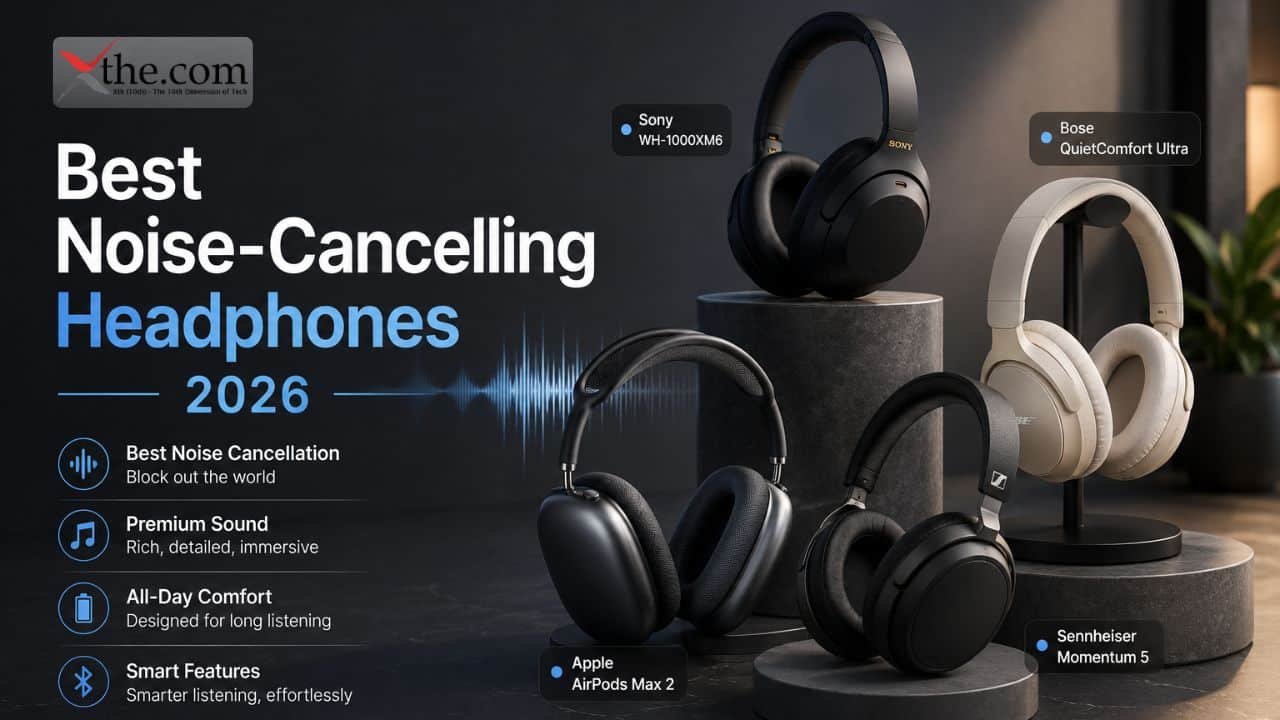
Third, audio. Earbuds and headphones from Apple, Sony and Bose are the most reliably discounted consumer tech category of the holiday, with last year’s flagships dropping hardest. If your purchase is a second pair for travel or a gift for someone with no urgent need, patience is paid for in November.
The Trap to Avoid: Inflated List Prices and Fake Markdowns
The single most expensive mistake in holiday tech shopping is comparing a sale price against a list price that nobody ever paid. With budgets tighter in 2026, the $808 average tech spend figure suggests shoppers are price-sensitive, and retailers know it. Before you buy anything labeled a Black Friday deal, check the product’s price history: several browser extensions and price-tracking sites chart twelve months of pricing, and a genuine deal should approach the product’s lowest historical price, not merely undercut an inflated September list price.
The second trap is buying a discount instead of buying the product you need. A $300 soundbar you did not plan for is not a saving over the $200 model you researched in September. Decide the product first, then let the calendar decide the timing.
A Simple Decision Framework
Run three questions in order. Has this exact model been on sale cheaper in the past month? If yes and you see that price again, buy, because matching a recent low is a good outcome regardless of November. Did this model launch within the last two months? If yes, buy at launch pricing without expecting Black Friday to help, unless it is audio or a midrange TV. Is it a TV, a midrange Windows laptop, earbuds or a robot vacuum you can wait six weeks on? If yes, hold until the week of November 27 and set price alerts now.
Document your research in October either way. The shoppers who win the holiday season are the ones who know what a fair price looks like before the sale banners go up, and with 47 percent of Americans researching by month’s end, that informed group is larger and more competitive than ever.
Frequently Asked Questions
When is Black Friday 2026?
Black Friday is November 27, 2026. Retailers typically begin their Black Friday sales in the second week of November, with early online doorbusters often live before Thanksgiving on November 26.
Are October Prime Day deals better than Black Friday?
They overlap heavily. October’s Prime Big Deal Days on October 6 and 7 offered real discounts on TVs, laptops and earbuds, and many stayed live afterward. For most categories, Black Friday sees equal or deeper cuts, but specific October prices on current TVs can be hard to beat.
Should I buy a new iPhone or Apple device before Black Friday?
If it launched this fall, yes. Apple’s newest releases rarely see direct price cuts in their first season; promotions come as retailer gift cards, which are limited and can attach to conditions. Do not delay a launch-window Apple purchase waiting for a price drop that historically does not come.
What tech categories have the deepest Black Friday discounts?
TVs, midrange Windows laptops, earbuds and headphones, robot vacuums, smart home devices and gaming hardware are the most reliably discounted categories year after year.