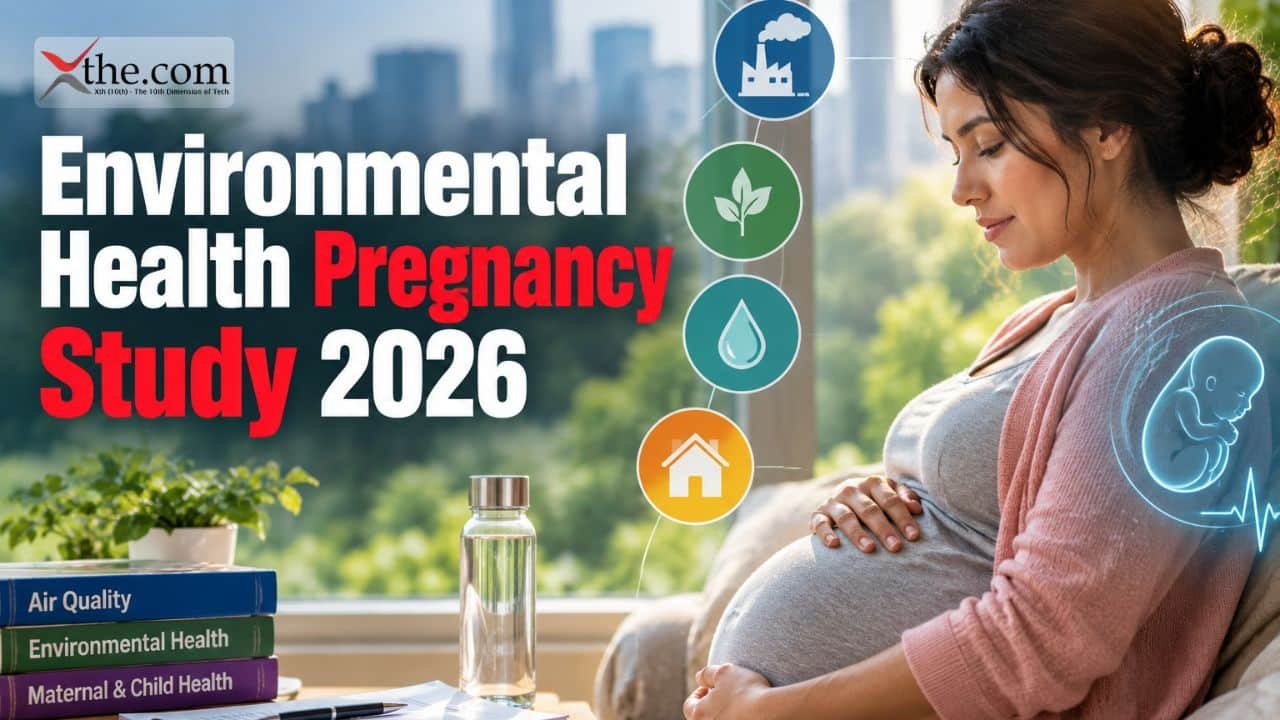
In the realm of preventative medicine and environmental health, researchers are continually uncovering the subtle ways in which modern industrial chemicals impact human biology. A landmark epidemiological study published by leading academic medical researchers, including teams from NYU Langone Health, has brought to light alarming correlations between everyday exposure to common plasticizer chemicals and measurable physiological impacts on newborn infants in the United States. As regulatory agencies face mounting pressure to evaluate chemical safety, these scientific findings are fueling critical discussions among obstetricians, pediatricians, and environmental toxicologists.
The comprehensive analysis tracked over 6,600 pregnancies, carefully measuring biomarker concentrations of various plastic alternatives and chemical plasticizers found in consumer goods, food packaging, and indoor dust. The primary focus centered on DINCH, a chemical compound widely utilized as a safer alternative to traditional phthalates in flexible plastics and medical devices. Contrary to initial assumptions of complete biological inertness, the research team discovered a direct, dose-dependent statistical link between elevated levels of DINCH metabolites in pregnant women’s urine and reduced newborn birth weight. Specifically, every tenfold increase in maternal exposure to the compound resulted in a statistically significant 27-gram reduction in newborn birth weight.
While a 27-gram decrease may appear modest at first glance, public health experts emphasize that population-wide shifts in birth weight distributions can have profound long-term developmental implications. Low birth weight is a well-established risk factor for chronic metabolic conditions, cardiovascular disease, and neurodevelopmental challenges later in life. Because DINCH and similar plasticizers have been heavily integrated into consumer markets under the presumption that they pose minimal reproductive toxicity, these findings challenge current chemical safety classifications established by federal regulatory bodies such as the Environmental Protection Agency (EPA) and the Food and Drug Administration (FDA).
For American families, navigating chemical exposure in a consumer-driven economy is an increasingly daunting task. Obstetricians recommend practical mitigation strategies, such as minimizing the consumption of processed foods packaged in soft plastics, avoiding heating food in plastic containers in microwaves, and improving indoor ventilation. As this study reverberates through the medical community, patient advocacy groups and lawmakers are calling for tighter federal screening standards on industrial plasticizers. Protecting maternal and infant health requires rigorous, proactive science that ensures modern conveniences do not compromise the physiological foundation of the next generation of Americans.