






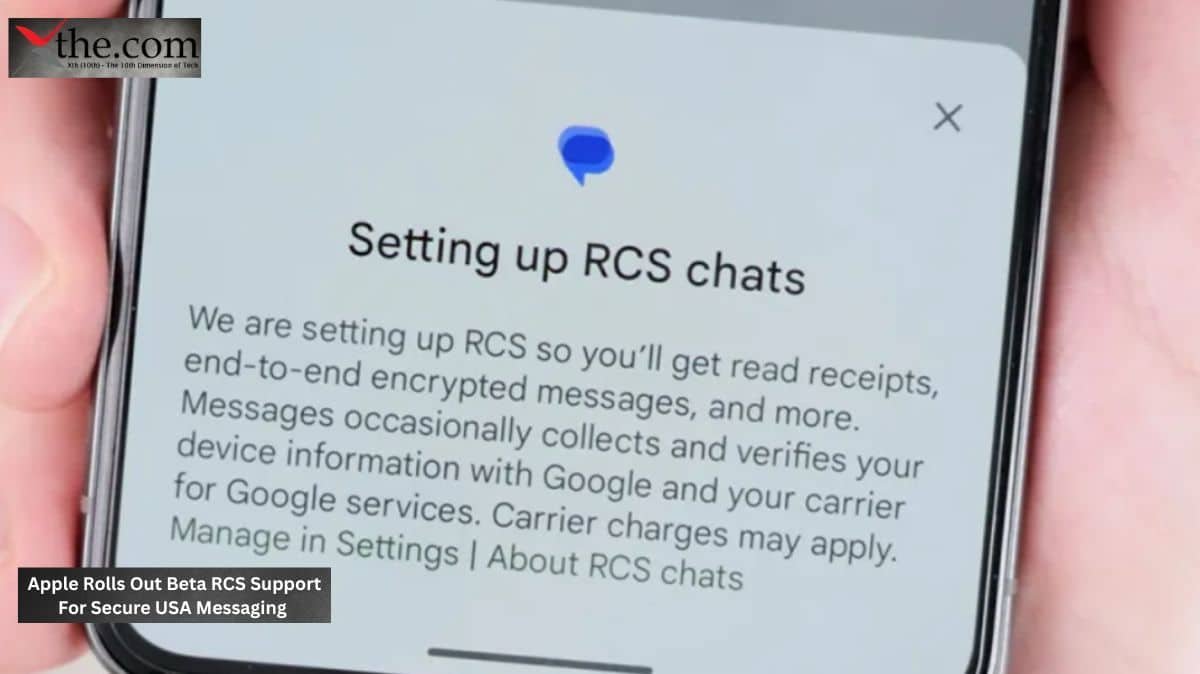
Cupertino, CA.
Atomic answer: Apple (APPL) has officially initiated the beta program of unencrypted RCS messaging. This move aligns the iPhone ecosystem with modern inter-carrier communication standards, ensuring higher resolution data and multimedia communications are maintained when messaging between different device manufacturers.
A procurement executive at a Chicago healthcare company recently found that employees shared patient scheduling updates through different messaging apps. Standard SMS could not reliably handle encrypted multimedia messages between iPhones and Android devices, prompting compliance teams to flag the issue within weeks. The problem was not employee negligence, but an infrastructure failure. The reality explains why the arrival of Apple RCS beta support is far more than just a consumer messaging update. For enterprise IT leaders, it signals a change in how Apple’s communication standards will operate across mixed-device environments.
Adding secure enterprise messaging with Rich Communication Services addresses a long-standing weakness in corporate mobile strategies. For years, organizations have struggled with inconsistent security standards between Apple and Android devices. Basic SMS was vulnerable, and proprietary apps pushed employees into separate, stressed-out communication channels.
Now that Apple is moving toward RCS support, there is a new level of interoperability that affects compliance, cybersecurity, and enterprise communications.
Why Apple RCS Beta Matters Beyond Consumer Messaging
For almost 10 years, Apple has blocked non-iMessage apps from accessing its messaging system. Android users mostly use SMS or Google’s RCS, leading to uneven communication across platforms. This provoked frustrated consumers and caused bigger problems for companies managing thousands of employee devices.
The new iOS RCS rollout changes this situation. Businesses with different types of mobile devices can now use richer messaging features without relying solely on third-party communication platforms.
This means better media sharing, read receipts, typing indicators, and stronger security across devices. More importantly, the shift improves cross-platform messaging consistency for enterprise teams across field operations, logistics, healthcare, and finance.
For example, a transportation company may have drivers using Android devices and managers using iPhones. Delayed attachments or insecure SMS messages can disrupt dispatch operations. RCS helps close these communication gaps while preserving the mobile workflows employees are used to.
The Security Debate Around the End-to-End Encryption
Security remains the main concern for enterprise adoption. Apple’s approach has triggered more industry discussion about end-to-end encryption and whether RCS can consistently meet enterprise defense standards.
Traditional SMS does not have modern encryption. Messages often travel through carrier networks with limited security, exposing organizations to phishing, interception, and data leaks. This problem grew as remote work increased, with employees using personal devices for work communication.
Expanding encrypted RCS features provides enterprises with a stronger foundation for secure messaging. However, security experts warn that how consistently RCS is implemented is just as important as its design.
For example, a financial advisory firm might allow advisors using iPhones and clients using Android devices to communicate via encrypted messages. Still, governance teams need audit controls, device management policies, and identity checks beyond what native messaging offers.
This distinction is important because enterprises rarely look at encryption alone. They consider the whole operational environment around mobile communication.
How Apple’s Business Communication Could Change Corporate Mobility.
Apple’s growth in business communication strategies signals a broader shift in how companies manage mobile devices. More companies now want the ease of consumer apps along with strong enterprise controls.
In the past, organizations tried to solve this problem by adding costly collaboration platforms to already fragmented mobile systems. Employees often ignored these tools and used faster, personal messaging apps instead, creating shadow IT risks.
Expanding the Android-iPhone interoperability with RCS helps ease some of these issues. Native communication is now more practical across multiple devices without losing ease of use.
Retail operations are a great example. Store managers with iPhones often work with warehouse teams with rugged Android devices. Old SMS limitations forced workers to use consumer messaging apps outside IT control. Better interoperability now helps organizations centralize communication policies and keep processes running smoothly.
The competitive impact is also important. Apple’s move to support RCS shows growing pressure from regulators, enterprise customers, and carrier partners who want more uniform communication systems.
The Impact Of Apple RCS Encryption On Enterprise Mobile Security Standards
For CIOs and CISOs, the main question is not if RCS improves consumer messaging. The real issue is the impact of Apple RCS encryption on enterprise mobile security standards and how organizations adjust their governance as communication protocols change.
As companies update their mobile policies, messaging systems are now examined as closely as email and collaboration software. Legal discovery, compliance audits, and cybersecurity rules now apply directly to mobile communication channels.
This brings both benefits and risks. Organizations that have encrypted RCS to their central device management may rely less on scattered third-party apps. But if the rollout is inconsistent and policies are weak, new vulnerabilities may appear.
The companies that gain the most from Apple’s RCS beta will likely be those that see mobile messaging as strategic infrastructure, not merely a convenience for employees. Messaging systems now affect business continuity, consumer confidence, and compliance with regulatory standards on a large scale.
In the coming years, the gap between consumer messaging and enterprise communication standards will continue to shrink. Apple’s RCS expansion may be the first clear sign that mobile interoperability is now a must for large organizations with many device types.
Enterprise Procurement Checklist
- Procurement Effect: Potential reduction in third-party encrypted messaging app licenses for corporate fleets.
- Infrastructure Risk: Configuration requirements for MDM (Mobile Device Management) to handle new RCS protocols.
- Deployment Impact: Immediate improvement in cross-platform employee communication clarity.
- ROI Implications: Reduced reliance on SMS-based 2FA, shifting toward more secure encrypted channels.
- Operational Action: Update corporate communication policies to reflect encrypted RCS as an approved channel.
Source: The music lives on iPod touch will be available while supplies last








