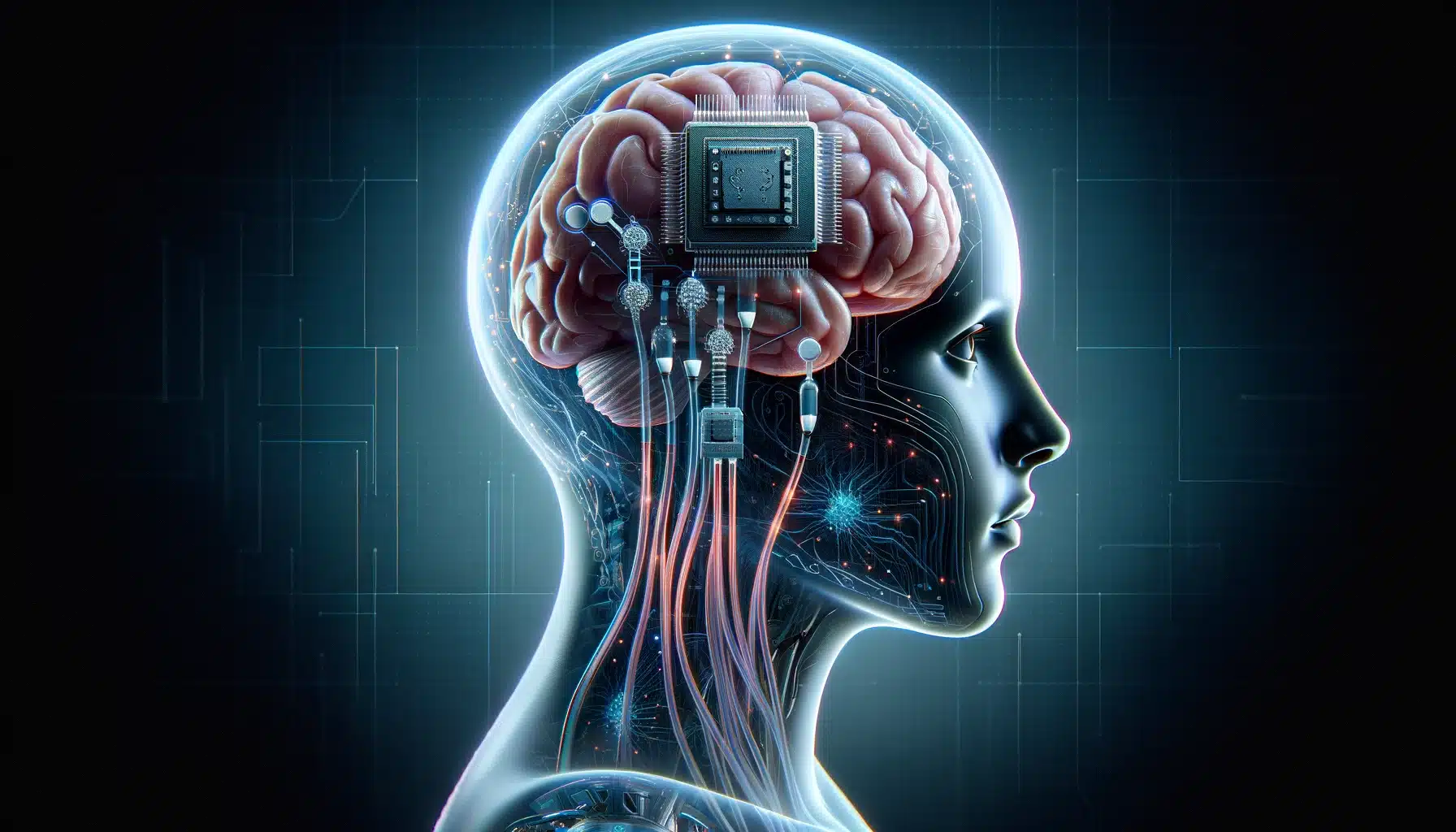
PALO ALTO, Calif.: Human-machine interaction is undergoing an overhaul that will soon change how people interact with their electronic gadgets. Brain-computer interface technology has moved from science fiction to reality and could soon replace conventional modes of interaction such as keyboards, touchscreens, or vocal commands. One major component of brain-computer interface technology involves using neural interface artificial intelligence algorithms to decode human thoughts and translate them into machine commands.
Transitioning from Physical to Neural Interaction: Changes and Implications
Over the years, computing has relied on physical inputs such as keyboard entry, mouse clicks, and touchscreen interactions to perform tasks. However, these methods are not always efficient since they often require time and effort to implement.
Thanks to advances in neurotechnology, systems can now translate brain waves into commands without any physical input.
Some key changes contributing to this transition include:
- Direct brain signal decoding for computing
- Limited need for peripheral devices like keyboards
- Increased efficiency and intuitive interaction
Firms like Neuralink are already working on neural implantation technologies that could make this possible.
Reasons Why Traditional Physical Input Is Not Enough
First of all, the nature of physical input limits users’ abilities. There will always be a limit as to how fast one can enter data. Secondly, with the emergence of AI-based interfaces, physical input limitations can be addressed. AI would not need users to type or press buttons since the neural network can interpret intents.
Instead of:
Typing step-by-step commands
They could simply:
Perform intended actions instantly using neural impulses.
For people with mobility impairments, this approach provides opportunities that were unavailable before through traditional means of interaction.
Neural Signal Decoding Systems
There are several key elements when we talk about decoding neural signals into something interpretable.
Components of the system:
- Sensors collecting neural activity data
- Algorithms interpreting the collected information
- Decoding systems, translating data into actions
Here’s where AI plays a role in neural interface decoding.
Where This Technology Is Applied
Although brain-computer interfaces are just starting to gain traction, actual applications are already emerging.
Primary fields where this technology is applied:
- Healthcare: providing support to those who suffer from paralysis or neurological disorders
- Assistive technology: helping people communicate despite lacking mobility
- Research facilities: contributing to research into cognitive and behavioral studies
This list illustrates the way human-computer interaction goes beyond its conventional limits.
How This Has Changed: An Obvious Shift
The swift development within this industry can be attributed to two fundamental changes:
- Enhanced interpretation of signals: better brain activity analysis
- Increasing applications: transitioning from laboratory settings to practical applications
Both these factors contribute to the ongoing transformation into neural-based computing.
Importance to the United States
The repercussions of this change go far beyond technology itself; they involve healthcare, access, and the digital environment as a whole.
1. Access Solutions
Neural interfaces will enable disabled people to communicate with technology in ways never before seen.
2. New Computing Revolution
With the development of brain-computer interface technology, computing as a whole might be revolutionized, not just the way certain groups interact with their computers.
The United States stands on the cutting edge of this new wave of technology.
Conclusion
The emergence of brain-computer interfaces heralds a new dawn in computing. As a result of neural interface AI, communication between the brain and computers is becoming possible, thereby transforming input methods into biological form. Where once there was experimental research, there will soon be an entirely new way of interacting.