






Plymouth, MI
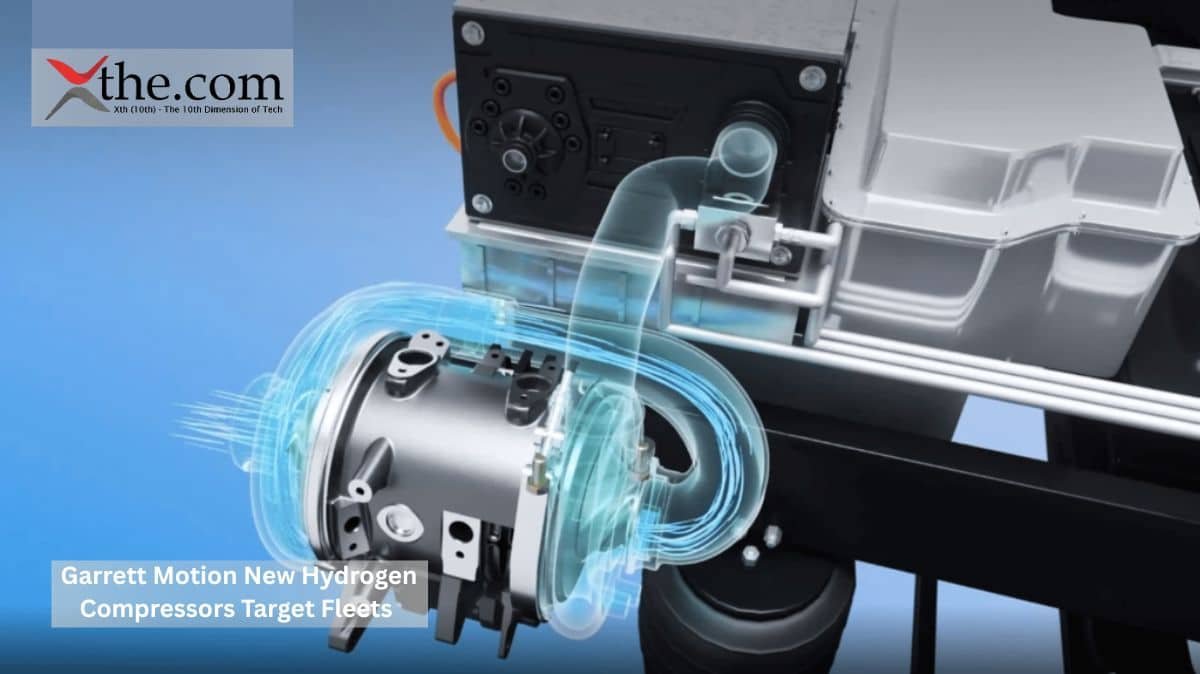
Atomic Answer: Garrett Motion Inc. (GTX) unveiled its 2026 zero‑emission vehicle propulsion architecture on May 20 during its Technology and Investor Day conference. The manufacturing showcase highlighted advanced heavy‑duty hydrogen-fuel-cell compressor arrays and smart high‑voltage thermal‑management systems engineered for heavy-duty commercial trucks. This strategic hardware expansion scales down traditional transportation emission footprints, giving commercial‑fleet logistics operators highly reliable, long‑range alternatives to conventional diesel engines.
When a long‑haul truck idles at a depot, it can waste hundreds of liters of fuel‑equivalent energy in just a week if hydrogen systems are not well optimized. As more fleets move to hydrogen, they face a less obvious challenge: making compression efficient at scale. At this point, green freight infrastructure is no longer just a policy idea. It becomes a real engineering challenge focused on pressure stability, uptime, and managing heat.
At the center of this shift sits Garrett Motion’s GTX Technology Investor Day Emission Systems on May 20, where hydrogen compression and fleet integration strategies were presented, not as experimental hardware, but as deployable systems for commercial operators already under cost pressure.
The main question is no longer if hydrogen works for freight. Now, the question is whether the infrastructure can keep up with dispatch schedules, changing routes, and energy needs at depots.
Green Freight Infrastructure and Vehicle Telemetry Scaling in Fleet Operations
Building green trade infrastructure relies on systems that work reliably under heavy use. Garrett Motion’s approach to hydrogen compressors focuses on maintaining stable performance even as demand changes, especially at busy depots where fueling peaks can cause pressure drops and slow recovery.
In parallel, vehicle telemetry scaling has become the operational backbone that determines whether hydrogen fleets can scale to a commercial scale. Operators track things like compression cycles, pressure changes, and refueling delays in real time. Even a single late fueling can lead to missed deliveries across the network.
This is where strong infrastructure and good data management come together. Fleet managers now demand real-time telemetry to synchronize fueling times with route planning software. Without this coordination, hydrogen fleets could face the same problem that early electric vehicle fleets did, where charging delays shaped routes rather than actual logistics needs.
Hydrogen Compression Systems Built for Fleet Density
Fuel cell compressor arrays are moving toward modular hydrogen systems built for large-scale use, not just for single refueling stations. By spreading the load across several compressors, these arrays help balance demand, lower heat stress, and keep systems running more reliably.
This is important because hydrogen compression is more than just a mechanical function. It is tightly linked to thermal management protocols that regulate temperature during high-pressure use. If heat is not controlled, the system becomes less efficient and requires more frequent maintenance.
Operators in busy areas such as ports and industrial freight hubs face this challenge every day. A depot serving over 200 trucks cannot risk uneven compression during busy morning hours. The solution is to build in backup systems and use predictive calibration.
This is where system calibration maps help. These digital tools adjust how compressors operate by analyzing past usage, current temperatures, and demand forecasts. Over time, they make hydrogen delivery pressure more consistent, which helps fleets turn around faster.
Data Infrastructure: From Sensor Networks to Propulsion Systems
Hydrogen mobility does not function without dense instrumentation. Sensor monitoring systems embedded across compressors, storage tanks, and dispensers constantly track pressure, vibration, and temperature.
This data feeds into electric propulsion systems, where fuel-cell vehicles require a steady hydrogen supply to operate smoothly. Any compression issues can lead to drivetrain problems, especially during heavy highway use.
Things get more complex when fleets use both hydrogen and battery electric trucks. Operators need unified data systems to handle different types of vehicles. At this point, telemetry is not just for monitoring; it is essential for operations.
As vehicle telemetry scaling improves, data is now organized to support decision-making. Dispatch software now uses information about compressor availability, station readiness, and expected wait times to plan routes.
Risk, Opportunity, and Operational Impact.
Switching to hydrogen freight brings several risks. The biggest immediate problem is the lack of infrastructure. If there is insufficient compression capacity, fleets will experience bottlenecks, use trucks less efficiently, and incur higher per-mile costs.
The main opportunity is in bringing systems together. When green freight infrastructure, telemetry, and propulsion systems work together, hydrogen fleets can achieve reliable turnaround times similar to those of diesel refueling today.
This impact grows in three main areas:
- Depot efficiency improves when fuel cell compressor arrays dynamically distribute load during demand spikes.
- Fleet reliability increases when thermal management protocols stabilize compression performance under continuous operation.
- Route monitor predictability strengthens when sensor monitoring feeds real-time constraints into dispatch systems.
Each of these steps helps reduce uncertainty, which is the main obstacle to large-scale hydrogen adoption.
Forward-Looking Perspective.
Hydrogen freight will not grow just because of indigenous technology breakthroughs. It will expand when infrastructure operates like a software-driven system with compression, monitoring, and routing all connected in a single network. As operators improve system calibration maps and expand electric propulsion networks, fleet performance will increasingly depend on the quality of these systems rather than on each vehicle alone.
Technical Stack Checklist
- Map real-time telemetry pipelines to monitor thermal data streaming from high-voltage compressor nodes.
- Adjust vehicle energy consumption simulation files to align with updated fuel cell performance metrics.
- Update fleet logistics maintenance software to handle specialized servicing schedules for hydrogen hardware.
- Run communication check routines on sensor components to ensure stable operation inside truck engine frames.
- Revise heavy-duty vehicle performance models to integrate newly published torque and efficiency constants.
source: Reminder: Garrett Motion to Hold Technology and Investor Day on Wednesday May 20, 2026