






Austin, Texas
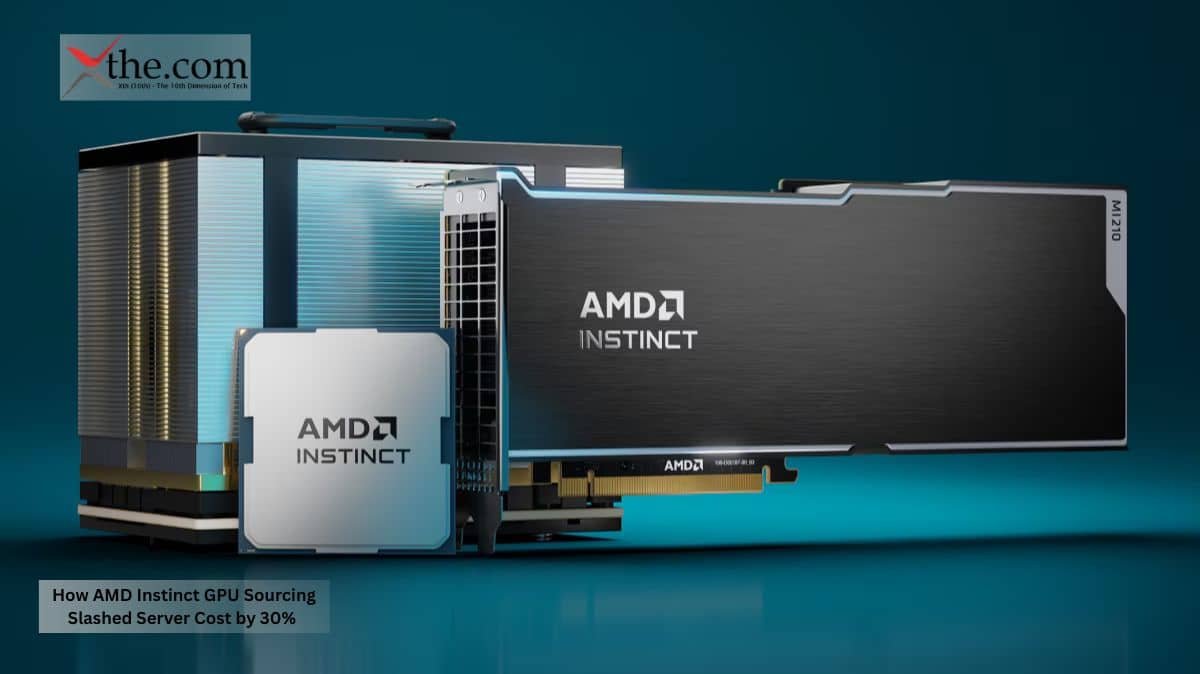
An AI server with high-end accelerators can cost as much as a luxury phone just for the parts. For a long time, this price remained the same because big cloud providers relied on only a few suppliers. But recent financial reports from major buyers show that things are changing. As more companies use AMD Instinct accelerators, the average chip price is dropping in large deployments, reducing server build costs by up to 30% in some cases.
This cost reduction affects more than just Silicon Valley’s finances. Lower infrastructure spending can change how internet companies price cloud computing, AI subscriptions, streaming services, and business software.
Why the Single Supplier Model Finally Cracked
During most of the AI boom, one main GPU vendor dominated the market. Demand grew faster than manufacturers could keep up. Big internet companies fought for the limited supply, and chip prices rose so high that even the biggest budgets felt the strain.
Then procurement teams started diversifying.
Large cloud companies and AI infrastructure operators started ordering more AMD Instinct systems as software compatibility improved and benchmark performance narrowed the gap for many inference and training workloads. That decision triggered a broader supply chain shift across the semiconductor supply chain.
The economics became impossible to ignore.
For example, buying 10,000 AI servers at $250,000 each adds up to a $2.5 billion investment. If using AMD Instinct alternatives cuts server costs by 30%, that saves about $750 million even before considering energy or maintenance savings.
Finance departments notice numbers like that immediately.
The Real Story Behind Falling Corporate Computing Costs
The most important change does not sit inside the GPU itself. It sits inside procurement negotiations.
When large cloud companies relied on a single supplier, they lost their ability to negotiate prices. Vendors set the delivery times, software licenses, and hardware bundles. With AMD Instinct hardware now available, buyers finally have some bargaining power again.
That leverage now affects the entire stack of data center hardware.
Memory suppliers are competing more. Networking vendors are offering better prices. Rack manufacturers are renegotiating contracts. Cooling system providers are updating their bids because customers now have more choices for how they build their systems.
The result is a broader decline in corporate computing costs.
For investors, this trend means more than just short-term savings. It points to a bigger shift in how AI infrastructure spending works. Some large internet companies already spend tens of billions each year on AI infrastructure. Even small drops in chip prices can free up substantial funds for software acquisitions or for returning money to shareholders.
How AMD Instinct Changes the AI Infrastructure Equation
Performance Per Dollar Now Drives Purchasing Decisions
For two years, the AI market focused on getting the best performance, no matter the cost. Now, that phase is starting to change.
Executives now prioritize operational efficiency, deployment flexibility, and total ownership expense. In that environment, enterprise graphics processors for affordable data center operations became more attractive than premium accelerators carrying inflated margins.
The phrase may sound technical, but consumers feel the impact directly.
When cloud providers spend less on infrastructure, they can lower AI service prices, offer bigger storage plans, or avoid raising subscription fees. Lower costs also help startups compete with larger companies, as training and deployment become more affordable.
This situation is similar to what happened in the server CPU market before. As more companies entered the market, prices became more reasonable, and innovation accelerated. At the same time.
The Ripple Effect Across the Tech Stock Market
Wall Street is rethinking chip purchases for long-term AI spending. Investors used to see rising GPU costs as unavoidable, but now analysts are paying more attention to efficiency.
That distinction matters for every major tech stock tied to cloud computing or AI services.
Companies that lower their infrastructure costs can boost profits without slowing down growth. On the other hand, companies that rely on selling expensive accelerators may feel pressure as buyers gain greater negotiating power.
Investors in semiconductors should also pay attention to other companies that benefit from them. Networking firms, server builders, cooling experts, and power management suppliers often gain when cheaper GPUs lead to more servers being deployed.
Put simply, lower-priced accelerators can expand the overall market, even if they reduce profits per unit.
The Broader Supply Chain Shift Reshaping Silicon Procurement
The AI hardware market is no longer just about scarcity. Now, procurement teams focus on making their supply chains more resilient.
Big internet companies learned tough lessons from supply shortages during recent AI growth. Relying on one vendor led to risks, delays, and higher costs. By adding AMD Instinct platforms, they reduced these problems and gained more flexibility in buying hardware.
That broader supply chain shift may become one of the defining infrastructure trends of the decade.
Manufacturers that support open software and AI systems that work together can quickly gain market share. Buyers now prefer flexible, modular infrastructure to being locked into a single vendor’s system.
For consumers, this trend could have real benefits. Lower business computing costs can lead to better prices for SaaS, AI app subscriptions, gaming, streaming, and even online shopping recommendations.
The AI industry still requires huge investments. However, the market now values efficiency as much as size. The growth of AMD Instinct systems shows that greater chip competition not only affects company finances but also reshapes the internet economy.
Source: AMD Newsroom








