






Cupertino, CA
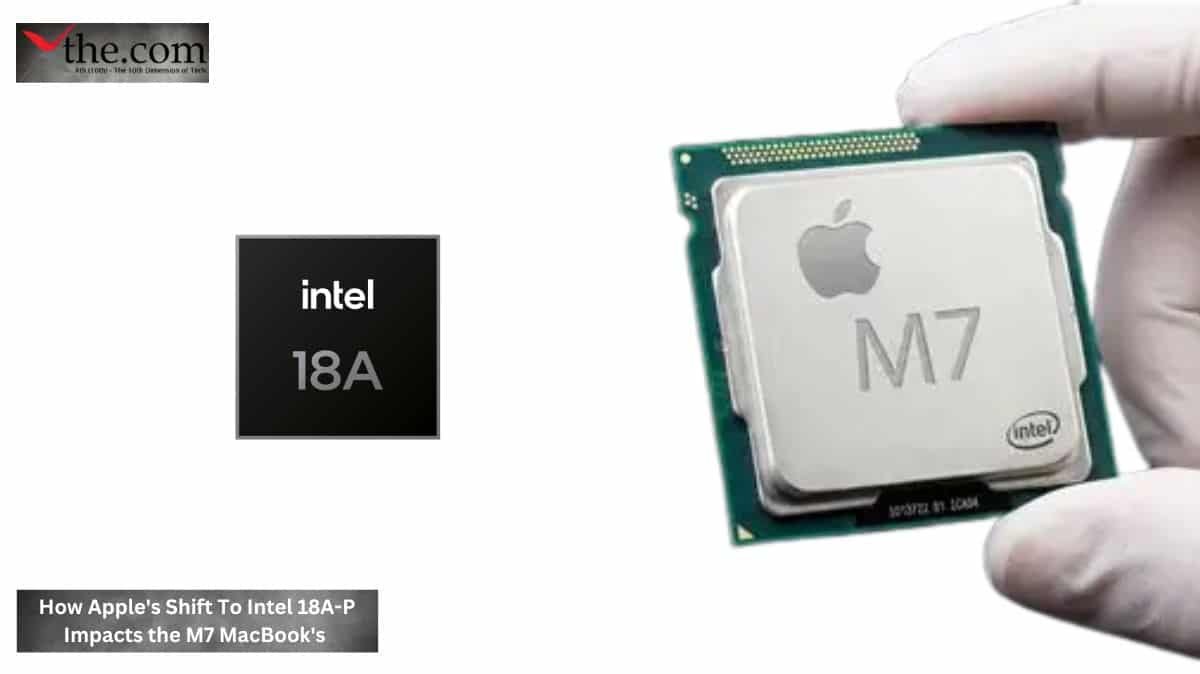
Atomic answer: Apple has officially tapped Intel’s 18A-P manufacturing node for the upcoming M7 SoC destined for MacBook Air and entry-level Pro models. This strategic diversification away from TSMC secures a USA-based supply chain for Apple’s high-volume consumer silicon, ensuring sovereign stability for federal-grade procurement.
A three-month delay in making a flagship laptop can cost a company billions in quarterly sales. Right now, the risk is real for top PC makers as advanced chip production gets tighter in Asia and the US. With this in mind, news that Apple (AAPL) might use Intel 18A-P for future Mac chips has sparked a bigger conversation about supply chain strength, performance choices, and global politics.
The discussion stressed that this discussion is important because the next notebooks will compete more on battery life or design. Now, it’s also about who controls chip manufacturing, especially as governments see advanced chips as key infrastructure.
Why Apple (AAPL) Is Looking Beyond TSMC
For almost ten years, Apple’s advantage has come from working with foundries in Taiwan. The M-series chips have often beaten Windows competitors in efficiency, changing what ultra-portable laptops can do. But relying on a single manufacturing region carries both business and political risks.
That’s why people are now viewing TSMC vs Intel as a bigger strategic issue, not just a matter of which performs better.
Intel’s ambitious plans for its foundry business, especially with Intel AP, are meant to make it a top choice for big chip customers. If Apple sends even some of its Mac chip production to Intel, it’s more than just spreading out orders. It would show that Intel has improved enough to win over one of the industry’s toughest customers.
For Apple, that shift goes beyond manufacturing redundancy. The US-aligned fabrication strategy tugs on tensions over semiconductor sovereign supply, especially as Washington continues to incentivize domestic chip production through industrial policy and subsidy frameworks.
The Role of the M7 SoC in Apple’s Next MacBook Strategy
The upcoming M7 SoC could be Apple’s most important Mac processor since the launch of the first M1.
Apple has already shown that making its own chips lets it better integrate macOS AI, memory, and cooling. The M7 will likely take this further, focusing on running AI directly on the device, using less power when idle, and keeping up performance in thinner laptops.
That directly matters for the rumored MacBook Air refresh expected over the next product cycle. Consumers increasingly expect fanless laptops to handle local generative AI features, video rendering, and multi-display workflows, minus dramatic battery drain.
If Apple uses Intel 18A-P for some M7 chips, Intel gets a big boost in reputation. Apple and Intel get more options for where and how they make their chips, especially when chip supplies are tight.
The main question is whether Intel can make enough good chips to meet Apple’s usual high standards.
Intel 18A-P Versus The Emerging 14A Node
Intel’s plans go beyond just Intel 18A-3. The company is already positioning the future 14A node as a successor process intended to compete aggressively against next-generation offerings from TSMC and Samsung.
This gives Apple’s purchasing teams more to think about.
By using two suppliers, Apple can compare foundries simultaneously and push for better prices, supply commitments, and packaging support. In the past, Apple had power by relying on a single supplier to fill big orders, but being flexible may be more valuable going forward.
Imagine if political issues in East Asia delayed shipping for six weeks during peak laptop production. Apple would need to quickly shift manufacturing. Having a US foundry partner like Intel with 18A-3 and later 14A node could help reduce the impact.
Investors who watch TSMC vs Intel often frame the debate around transistor density or benchmark performance. Apple’s executives likely see a larger equation involving manufacturing resilience, export controls, and long-term negotiating power.
What the MacBook Air Refresh Could Reveal
The next MacBook Air refresh might give the first real hints about where Apple is heading with its manufacturing.
Experts think Apple will keep focusing on making its laptops more efficient rather than on major design changes. This means
The chip’s performance is the main story. If the M7 delivers significant improvements and maintains strong battery life, Apple will stay ahead in the high-end laptop market.
Still, how Apple chooses its suppliers could be just as important as the features it offers.
People in the supply chain are discussing the Apple M7 MacBook Air procurement timeline for 2026. That year could be a turning point for using more advanced chip factories. By then, Intel wants to show it can make many chips with Intel 18A-P and start selling 14A-node chips.
Apple almost never changes suppliers suddenly. The company likes to add new operations slowly, starting with a small amount of manufacturing. Now, this could lead to wider use in more Mac products later.
The Product Impact on the Semiconductor Industry
A closer partnership between Apple (AAPL) and Intel could quickly change how the industry sees both companies.
So, Intel winning the Apple-related foundry business would validate years of capital expenditure and engineering restructuring. For Apple, the move reinforces a strategy centered on semiconductor sovereign supply and reduced dependency risk.
This shift affects more than just laptops. Car companies, AI hardware makers, and business tech suppliers are all rethinking how much they rely on a single location to make their products, following recent supply chain problems. That’s why the TSMC v. Intel story now matters for global politics as much as for technology.
The next leader in computing might not be the one with the fastest chip, but the one who can keep making advanced chips even when the global supply chain is under stress.
Enterprise Procurement Checklist
- AAPL Strategy: Factor in “US-Made Silicon” mandates when bidding for federal or sensitive local government contracts.
- Migration Challenge: Transitioning to 18A-P may lead to initial firmware instability in specialized creative apps.
- Procurement Risk: High early demand for Intel 18A-P capacity could delay MacBook Air delivery by 6-8 weeks.
- Deployment Impact: Enhanced power efficiency of the 18A node extends “AI-on” battery life to a projected 22 hours.
- Operational Step: Inventory existing M2/M3 fleets for trade-in programs as the 18A-P cycle begins.
Source: Wackadoo! Join Bluey for the ultimate playdate on Apple Arcade starting May 21








