



Santa Clara, California.
PC gamers and desktop builders are too familiar with this situation. You buy a $300 motherboard, upgrade your CPU after a couple of years, and your still‑working board ends up as electronic waste. There is a new socket, a new chipset, and more money spent.
That cycle might finally be coming to an end.
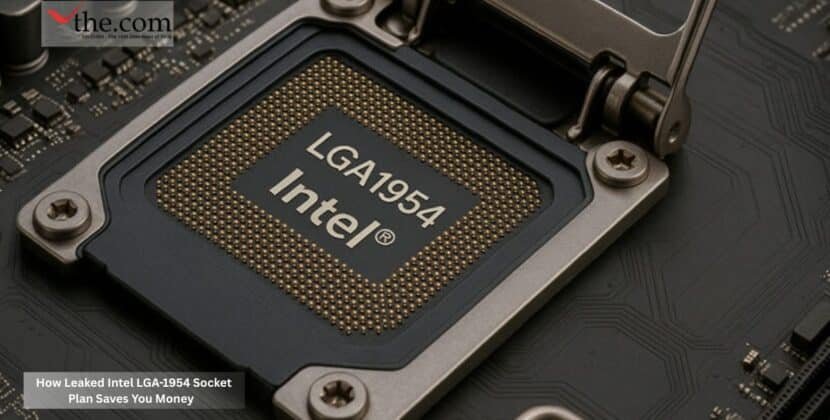
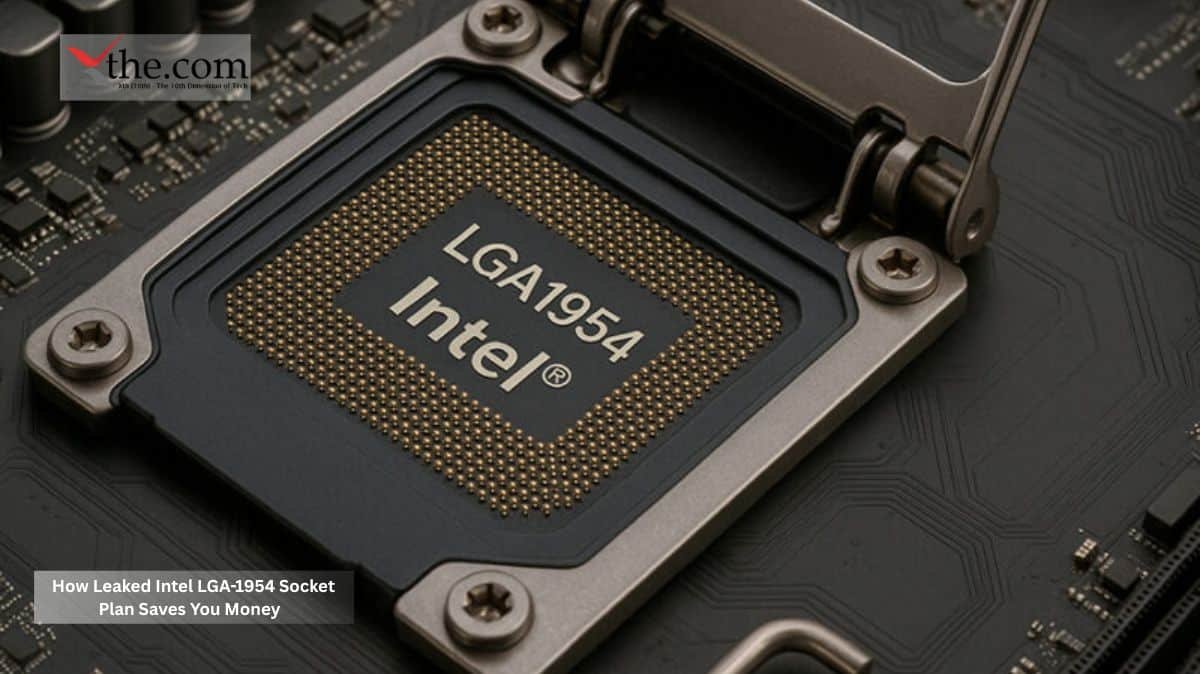
A newly leaked roadmap suggests Intel’s LGA 1964 socket plans could deliver something desktop buyers have long demanded: long‑term upgrade support across three processor generations. If the leak is accurate, Intel’s upcoming LGA 1964 platform will work with Nova Lake, Razor Lake, and Hammer Lake chips on the same motherboard. For everyday builders, this could make a big difference.
AMD earned significant goodwill with AM4 by supporting multiple CPU generations on a single socket. Intel, on the other hand, became known for frequently changing socket designs, leading to costly motherboard upgrades. This leak suggests Intel might be changing its approach.
Why Intel’s LGA 1954 Strategy Matters
When upgrading a modern PC, the highest cost is often not the processor; it is the platform’s hidden cost.
If you upgrade from a Core i7 to a next‑generation Intel chip, you often need a new motherboard, updated BIOS, and sometimes even new memory. These extra costs can add up to hundreds of dollars before you even turn on your system.
The leaked Intel LGA 1954 socket plans suggest that Intel may finally focus on making platforms last longer instead of changing sockets quickly. The document says the socket could stay in use for at least three CPU families: the Nova Lake, the Razor Lake, and the Hammer Lake.
This kind of consistency directly affects how much consumers spend.
Someone who buys a premium Z series motherboard in 2026 could theoretically keep it through multiple processor upgrades until the end of the decade. That creates substantial PC builders’ hardware budget savings, especially for those who upgrade CPUs more often than GPUs.
The Real Value of a Longer Upgrade Path
Intel users have usually dealt with shorter platform cycles than AMD customers. LGA 1200 lasted for two generations. LGA 1700 lasted a bit longer, but still required careful chip choices and BIOS updates.
Now Intel seems ready to make motherboards last longer, similar to AMD’s successful strategy.
Nova Lake Processor Upgrade Path for Release: Total Build Costs
Picture someone building a $1,800 gaming PC with a Nova Lake processor in 2026. In the past, upgrading the CPU in 2028 would probably mean buying a new motherboard for another $250 or $400.
But if the same board works with Razor Lake Hammer Lake support, you avoid the extra cost.
The Nova Lake processor upgrade path basically gives customers more options. Buyers can spend more on a better motherboard upfront, knowing it will remain useful for years rather than become outdated after just one upgrade.
This is even more important for content creators and workstation users who prefer upgrading parts gradually rather than rebuilding their entire system.
How Many CPU Generations Will LGA 1954 Support?
According to the leaked roadmap, the answer seems to be at least three generations.
This would start with Nova Lake, then Razor Lake, and finally Hammer Lake.
While Intel has not officially confirmed this roadmap, the leak points to a serious strategy to extend the lifespan of motherboard compatibility.
For consumers, supporting three generations is a big step up from what Intel has done in the past.
AMD won a lot of loyal customers because AM4 worked from the first Ryzen chips through Ryzen 5000. People could upgrade CPUs several times without having to replace the entire system. Now Intel looks ready to compete with that approach.
Intel May Finally Understand Enthusiast Frustration
Socket longevity might sound technical, but it has a big financial impact on everyday consumers.
Serious motherboards are no longer ninety-dollar entry-level parts. A good DDR5 board with strong VRM cooling, PCIe Gen 5, Wi-Fi 7, and advanced storage can easily cost more than $350.
Having to replace that hardware every two years is frustrating even for high-end enthusiasts.
The leaked Razor Lake and Hammer Lake indicate that Intel recognizes that frustration. If one socket works across several architectures, buyers can feel better about spending more on premium boards since their investment will last longer.
This also helps smaller system integrators and boutique PC builders. Stable platforms may mean less inventory risk and easier compatibility testing.
A Quiet Shift In Intel’s Competitive Strategy
This leak comes at an interesting time for the desktop GPU market.
AMD built its reputation with enthusiasts by keeping its sockets stable.
Intel led in raw performance in many areas, but often lost goodwill because it changed platforms so often.
The reported motherboard-compatibility lifespan extension tied to LGA 1954 suggests that Intel may now care as much about building trust as it does about performance.
This could change how people decide what to buy.
More and more consumers are looking at long-term ownership costs rather than just benchmark scores.
A CPU platform that lasts for three generations gives real value that benchmarks alone cannot show.
The best part of Intel’s supportive rumored strategy might not be the socket itself, but the message it sends.
Buyers want the freedom to upgrade, predictable costs, and hardware that lasts longer than just one product cycle.
If Intel goes ahead with these leaked plans for the LGA 1954 socket, the company might finally give PC builders what they have wanted for over a decade a platform that values their budget as much as their need for performance.
Source: Intel Newsroom