




San Jose, California
A single AI training server now uses more electricity than a typical suburban home, but in many data centers, the main bottleneck is not the graphics chip. Instead, it is the processor that manages memory, storage, networking, and workloads across thousands of accelerators. This challenge is why the Nvidia Vera CPU market is important well beyond Silicon Valley.
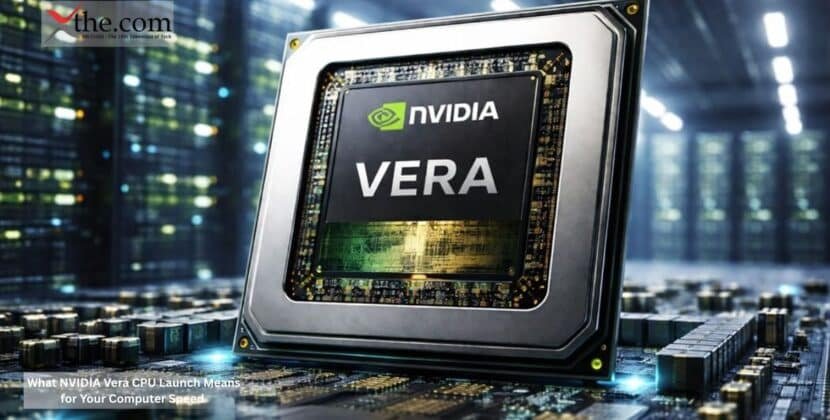
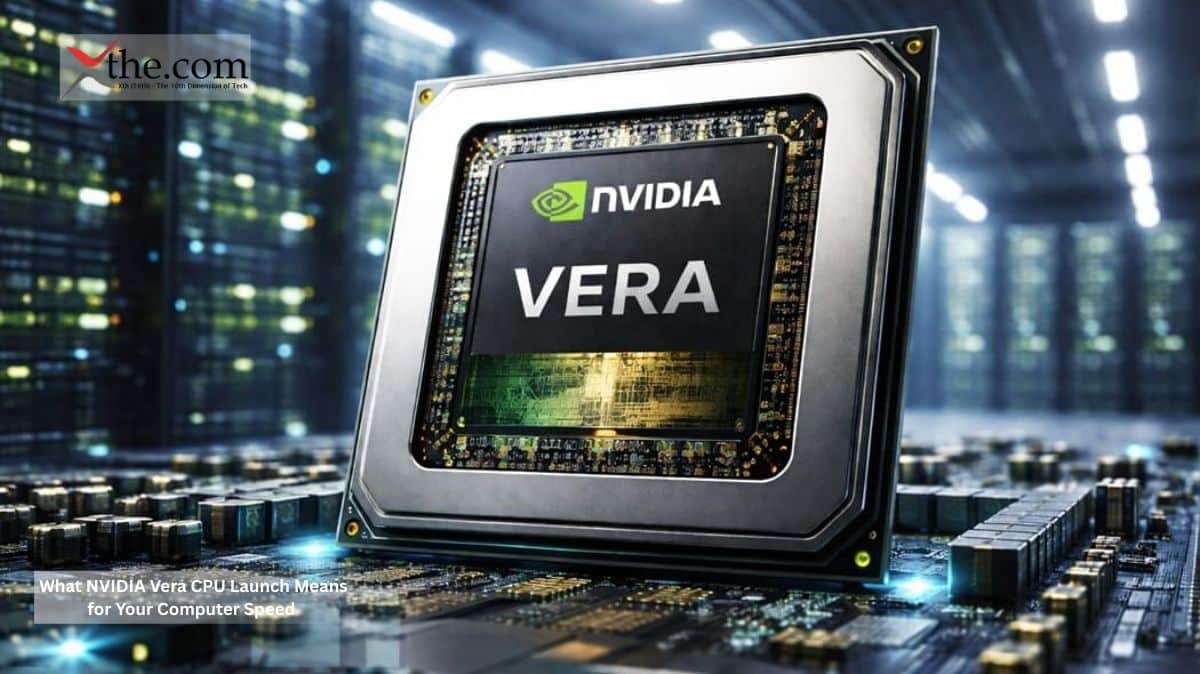
During a recent keynote, Jensen Huang introduced Nvidia’s Vera CPU as part of a broader computing strategy. This move directly challenges processor leaders like Intel and AMD. More importantly, it shows that AI infrastructure is shifting not just from training chatbots, but to running autonomous software agents throughout the workplace.
Why The NVIDIA Versus CPU Market Suddenly Matters
For years, NVIDIA led the AI field with its graphics processors. These chips excel at handling the large-scale parallel computations required for machine learning. CPUs mostly played a backup role.
But now that balance is changing.
Modern AI systems do more than just train models. Now, businesses want AI agents that can schedule meetings, analyze spreadsheets, write reports, approve invoices, and monitor cybersecurity threats without human intervention. This surge in agentic AI autonomous system demand changes the economics of computing infrastructure.
Picture a global retailer running 50,000 AI agents at once during the holidays. One agent predicts inventory shortages, another manages shipping schedules, and a third monitors fraud. These systems require continuous communication among memory, networking hardware, and accelerators. Graphics chips perform the calculations, while CPUs manage the entire process.
This management layer is now extremely valuable.
Analysts expect the global central processing unit market value to achieve hundreds of billions of dollars over the next decade as AI spreads across business, robotics, and cloud computing. NVIDIA wants a bigger piece of that market, not just relying on GPU sales.
The Bigger Bet Behind Vera
The Vera processor is not meant for consumer desktops or gaming PCs you find at electronics stores. NVIDIA designed it for AI factories and large cloud providers.
NVIDIA paired Vera with its next‑generation Rubin AI architecture in the upcoming Vera Rubin chip platform rollout. That integration matters because Nvidia controls both the CPU and GPU communication. Traditional servers often mix processors from one company with accelerators from another, which can cause delays, software issues, and wasted energy.
NVIDIA wants to remove these problems.
NVIDIA’s approach is similar to Apple’s integration of hardware and software in the iPhone. By closely connecting Vera processors with Rubin GPUs, Nvidia can boost performance across the whole AI workload, not just in separate parts.
This could make enterprise AI systems respond much faster. For example, a legal AI assistant reviewing 20 million documents needs quick coordination between processors and graphics chips. Moving data faster means quicker answers and lower costs.
What Is the New NVIDIA Vera Processor Used For?
In short, it is about managing large-scale coordination.
The long answer is that NVIDIA thinks the next big wave of AI will focus on autonomous decision‑making, not just chatbots.
“What is the new NVIDIA data processor used for?” becomes easier to understand when viewed through a workplace example. Consider a bank deploying AI agents for loan processing, compliance checks, customer service, and fraud detection. Thousands of small decisions happen every second. The CPU handles task scheduling, memory access, security, and communication between accelerators.
Without a strong processor, GPUs waste time waiting for instructions.
This is where NVIDIA sees a chance with graphics card cluster integration. Large AI setups now look more like coordinated computing grids than single servers. Vera serves as the command center that connects these grids efficiently.
This setup also supports future robotics. Autonomous warehouse machines, factory automation, and AI-powered logistics all need fast coordination between sensors, processors, and inference engines. NVIDIA wants its hardware to be at the center of this system.
What This Means For Computer Speed
You might not buy a laptop with Vera next year, but you will notice its effects.
Cloud apps could get faster. AI assistants could reply more quickly. Business software may automate more tasks without slowing down under heavy use. Companies that use a lot of AI could cut costs and handle larger datasets.
There is also a ripple effect in the industry. NVIDIA’s move to CPUs pushes competitors to redesign their products for AI workloads. This kind of competition often accelerates innovation in the semiconductor industry.
The deeper shift involves how society uses computers. For decades, people operated software directly. The next phase centers on AI agents operating software on behalf of people. That transition explains the rise in agentic AI, the demand for autonomous systems, and NVIDIA’s urgency to control more of the computing stack.
Vera is more than just another processor. It is NVIDIA’s effort to set the standard for the technology behind autonomous digital work. If this plan works, NVIDIA will influence not only how AI models are trained, but also how machines that work around the clock make daily business decisions.
Source: Nvidia Newsroom