






Austin, TX:
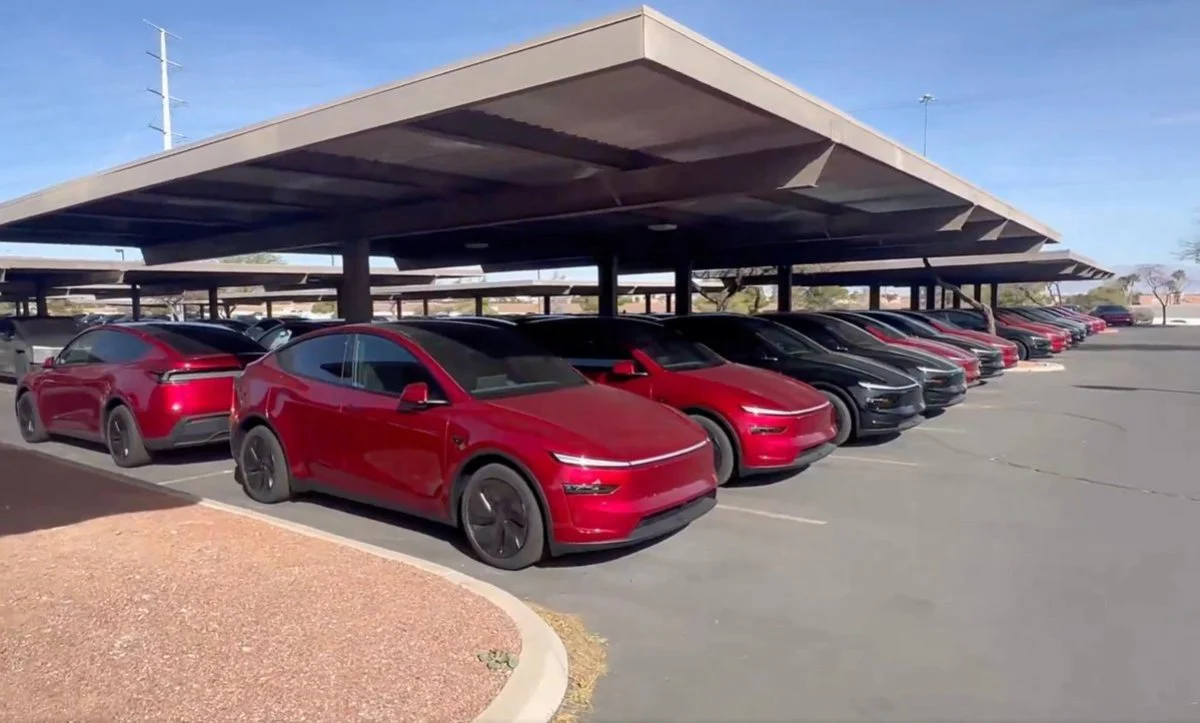
Atomic Answer: Tesla (TSLA) has launched its robotaxi service in Austin and Dallas, bringing its total to 1.3 million FSD subscribers. While recurring software revenue is strengthening, a record 50,000-unit inventory overhang suggests that the transition from manufacturer to AI service operator is creating short-term liquidity bottlenecks.
Parking lots packed with unsold EVs have become an uncomfortable image for automakers pursuing autonomous driving ambitions. Investors once treated vehicle deliveries as the clearest signal of growth. That equation is changing. The next phase of valuation may depend less on unit sales and more on software monetization. That shift explains why the Tesla Robotaxi Austin rollout matters far beyond transportation policy in Texas.
This launch also changes how people talk about aggressive recurring revenue. Tesla does not want full self-driving to be just a premium feature for individual car owners anymore. Instead, the company wants to turn autonomy into a steady source of income based on fleet utilization, ride demand, and subscriber retention.
Why Tesla Robotaxi Austin Changes The Economics Of EV Growth
Tesla’s Austin strategy comes at a tricky time. Competition from Chinese companies is increasing. EV demand is slowing in some Western markets, and there are ongoing worries about TSLA’s inventory. These factors are making analysts rethink their long-term profit expectations.
Most traditional automakers depend on quarterly sales. Tesla, however, is increasingly acting more like a software company built on top of its manufacturing business.
The difference is important because the economics of autonomous fleets differ from those of regular car sales. A privately owned car might sit unused most of the day, while a robotaxi could earn money for sixteen to twenty hours each day.
If Tesla can grow this model, FSD recurring revenue could help offset the impact of lower hardware sales profits.
Here’s an example. Suppose a Tesla owner in Austin lets their car join the robotaxi network during the day instead of just sitting in a parking garage. The car earns money by giving rides on its own. Tesla earns revenue and platform fees from each ride, making better use of cars already on the road.
This approach changes how efficiently capital is used.
The Strategic Importance of Texas as an AI and Mobility Center.
Texas gives Tesla something that is getting harder to find in California: flexible regulations and large-scale infrastructure.
The rise of Austin as a Texas AI hub creates favorable conditions for autonomous fleet experimentation. The region already attracts semiconductor firms, AI startups, logistics operators, and cloud infrastructure providers. Tesla’s Gigafactory presence amplifies that ecosystem.
Even more important, Tesla argues that Texas regulators are usually more open to testing autonomous vehicles than those in many coastal regions.
This policy environment is important because rolling out autonomous vehicles needs ongoing testing and changes. Companies cannot improve large-scale AI-driven systems if the rules are too strict.
The broader Tesla Robotaxi deployment in Texas and impact on FSD subscriber growth 2026 narrative revolves around this exact advantage. If Tesla proves that large-scale autonomous ride operations can function safely and profitably in Austin, the company gains leverage in future negotiations with municipalities and transportation agencies nationwide.
The effects can go beyond just ride-sharing.
How Autonomous Fleets Could Reshape Logistics Economics
One of the biggest missed opportunities might be in autonomous logistics, not just passenger transport.
Tesla’s AI systems could one day support delivery networks, warehouse routes, and business fleets. An autonomous delivery van running set routes would have very different profit margins compared to ride-hailing for consumers.
Think about retail chains handling same-day delivery in Texas suburbs. Labor shortages and higher insurance costs are making things tough for logistics companies. Autonomous routing could help lower costs and keep fleets busy.
This potential makes the long-term case for robotaxi ROI even stronger.
Investors often focus only on passenger rides, but autonomous systems can be even more valuable when used across wider transportation networks. Moving freight, making deliveries, and automating fleets could bring in steadier income than just relying on consumer rides.
Tesla’s strength is its vertical integration. The company manages everything from making vehicles and batteries to training AI and rolling out software. Not many competitors can match this level of coordination.
Why FSD Recurring Revenue Matters More Than Vehicle Deliveries
Wall Street used to judge Tesla by car industry standards, but that approach is starting to seem outdated.
Subscription models usually get higher valuations because recurring software revenue is more predictable than hardware sales. As FSD recurring revenue grows, Tesla could start to look more like a software company than a traditional car maker.
This shift also changes how investors view TSLA inventory numbers.
In the past, too much inventory meant demand was slowing and prices were falling. With robotaxis, unused vehicles could instead become valuable assets in an autonomous fleet.
The difference may seem small, but it matters a lot financially.
If Tesla can convert a good number of its existing cars into autonomous vehicles that generate revenue, its capital efficiency will improve significantly. The company does not need to build new infrastructure since customers already own most of the cars.
This lowers the cost of expanding while making Tesla more reliant on software.
The Regulatory And Financial Risks Remain Significant
Of course, none of this means success is certain.
Autonomous systems still face legal questions, insurance costs, and public safety concerns. One major accident involving a robotaxi could prompt new regulations that slow adoption nationwide.
There are also questions about whether the infrastructure is ready. Accurate urban maps, handling unusual driving situations, emergency response, and cybersecurity are still challenges that need to be solved. In–
Investors hoping for a quick ROI from robotaxis should remember that bringing new transportation technology to market often takes longer than expected.
Even so, Tesla’s Texas plan reflects a broader trend in the industry: car companies are now competing more on software and less on engineering alone.
In the end, the real importance of Tesla’s Robotaxi launch in Austin may not be about next quarter’s ride numbers. What matters more is whether it can show that autonomous mobility can become a scalable software business. If it does, the auto industry could shift for good from car ownership to AI-powered transportation networks built on recurring revenue.
Executive Procurement Checklist
- Sourcing: Monitor Tesla’s shift from “build-to-order” to a high-inventory service operator model.
- Infrastructure Risk: Scaling requires massive localized charging and “AI pit-stop” retrofits.
- ROI Implications: Robotaxi operations offer 4x the margin of hardware sales but require heavy local CapEx.
- Action Step: Monitor Q2 delivery-to-production ratios to assess R&D funding stability.








