



Austin, Texas.
Many corporate IT departments have extended their usual three-year laptop refresh cycles to five or six years. That delay is beginning to show its downsides. Batteries die during meetings, Windows 11 migration deadlines are approaching, and video calls put extra stress on old CPUs. Security teams keep adding new tools to hardware that was not built for local AI tasks. For many CIOs, the issue is no longer choosing to modernize; it is about dealing with the growing operational fatigue.
The new Intel Core Ultra Series 2 laptops are launching just as many companies’ hardware fleets are reaching their limits. Procurement managers who put off upgrades during inflation and tech budgets now have to replace thousands of devices in a much shorter timeframe.
Why Lunar Lake Changes the Enterprise Hardware Equation
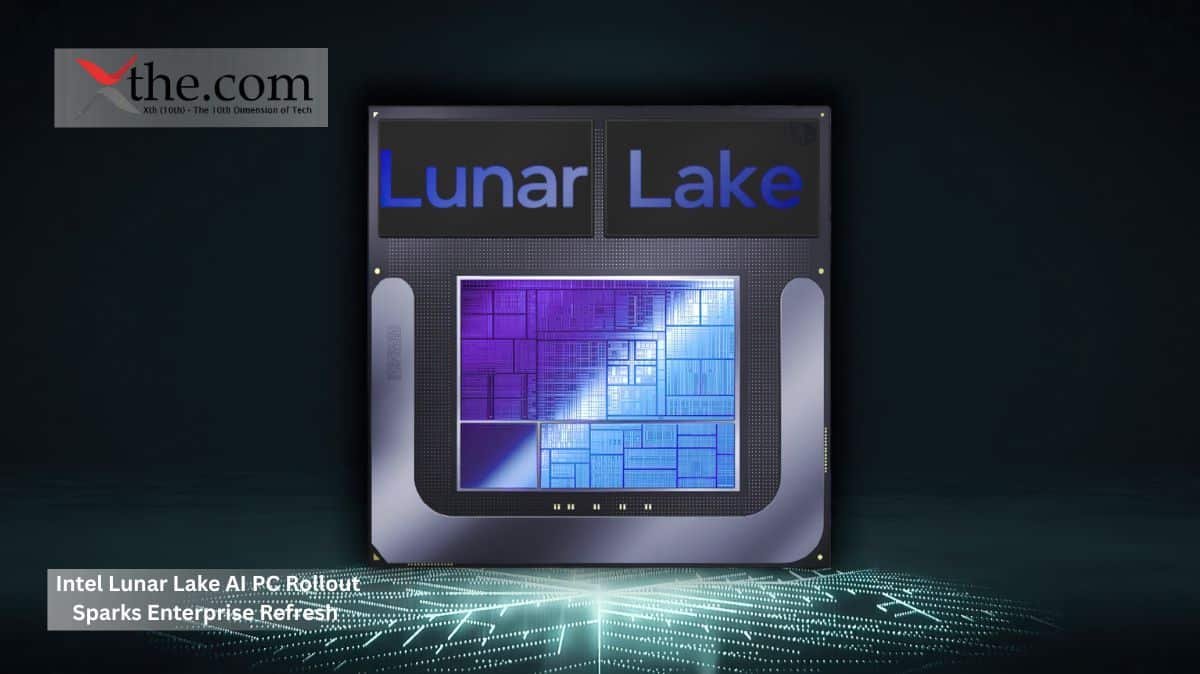
Intel’s Lunar Lake architecture makes it easier to distinguish between regular productivity laptops and those built for enterprise AI. Its main feature is an integrated neural processing unit that delivers 40 TOPs for local AI tasks. This is important because Microsoft’s Copilot+ standards now focus on dedicated AI acceleration rather than solely relying on CPUs and GPUs.
For companies looking at Windows 11 local AI hardware, this change is this change affects how work gets done across networks. Instead of sending every AI task, like summarizing notes or enhancing images, to the cloud, many of these jobs can now be handled directly on the device.
Relying less on the cloud has a real impact on the company’s infrastructure.
For example, a global consulting firm with 18,000 employees could save significantly on Ongoing AI costs. If even half of its Copilot tasks run on the device rather than through cloud APIs, IT finance teams are starting to see high‑end AI laptops as a way out to cut long‑term expenses, not just as luxury items.
The focus is no longer just on CPU speed.
Now, buyers are comparing NPU performance to TOPS performance across vendors and asking whether these NPUs can handle enterprise AI tasks without hurting battery life or overheating.
The Procurement Crunch Facing Corporate IT
Enterprise hardware refreshes usually take longer than consumer product launches. Most companies test new hardware for six to nine months before rolling it out widely. This process becomes even more challenging when several issues arise simultaneously.
As Windows 10 support ends, organizations are being pushed to move to Windows 11.
The real challenge is more than just buying new laptops.
It is about ensuring that older endpoint management systems will fully support AI-enabled devices across the company. Procurement leaders must interpret evolving copilot+ pc enterprise requirements while balancing cybersecurity mandates and budget approvals.
Many older device management systems were built for predictable CPU use. AI PCs work differently. Local AI models use memory in new ways, create different data patterns, and bring new power management challenges. Some IT administrators say it is hard to fit AI-driven data into older monitoring tools designed before NPUs were common in business laptops.
These integration challenges delay deployment.
For example, a Fortune 500 healthcare provider replacing 12,000 systems might spend months testing whether AI-enabled BIOS settings, VPN agents, encryption tools, and compliance software work together before rolling out new devices company-wide.
Security Teams See Local AI As a Defensive Advantage
Security leaders are now among the strongest supporters of running AI tasks locally.
Job-based AI systems raise unavoidable questions about data exposure, especially in regulated fields like finance, healthcare, and law.
Running tasks like transcription or document summarization usually means less sensitive information leaves the company.
This is why Windows 11 local AI hardware matters for strategy, not just for technical reasons.
Processing data locally helps companies keep tighter control over their information.
Meeting notes, customer documents, and financial models remain on company devices rather than being sent to external systems.
This is important for compliance officers dealing with strict sovereignty rules.
This shift also comes as companies worry more about how much bandwidth they use.
A multinational company running thousands of AI‑powered collaboration sessions simultaneously can put a heavy load on its network if every request is sent to the cloud.
Using local NPU acceleration significantly reduces network traffic.
Intel’s Timing and the Competitive Pressure Ahead
Enterprise buyers are still asking about the Intel Lunar Lake vPro release date because their procurement plans depend on when these platforms are available. Many companies use vPro‑certified systems for remote management, security, and hardware protection.
If stable enterprise-ready systems are not available, CIOs are reluctant to sign large deployment contracts.
Intel is under pressure from AMD and Qualcomm as companies compare battery life, AI performance, and software compatibility across different platforms. NPU TOPS performance comparison is now a regular topic in procurement meetings alongside traditional factors such as heat management and product lifespan.
This marks a big change in how companies buy technology.
Five years ago, buyers cared most about SSD size, webcam quality, and processor type. Now, they want to know whether a laptop can handle local AI tasks for four to six years without requiring additional cloud spending.
The New Enterprise Laptop Standard
The idea of the best AI laptop for enterprise deployment is changing. It is no longer just about design or benchmark scores. IT leaders now look at AI acceleration, security compatibility, battery life, job cost savings, and how easy it is to manage the laptop over time.
This shift changes how companies explain their spending on new equipment.
Companies that put off updating their hardware may soon find that keeping old devices is more expensive than replacing them. With more support issues, higher cloud AI subscription costs, and less efficient devices, it now makes sense to refresh hardware sooner, especially with Intel Core Ultra Series 2 laptops and other AI-focused models.
The future of enterprise computing will not be about faster processors alone; it will be about how well companies manage local AI, efficient infrastructure, and strong data control on every employee’s device.