





San Jose, California
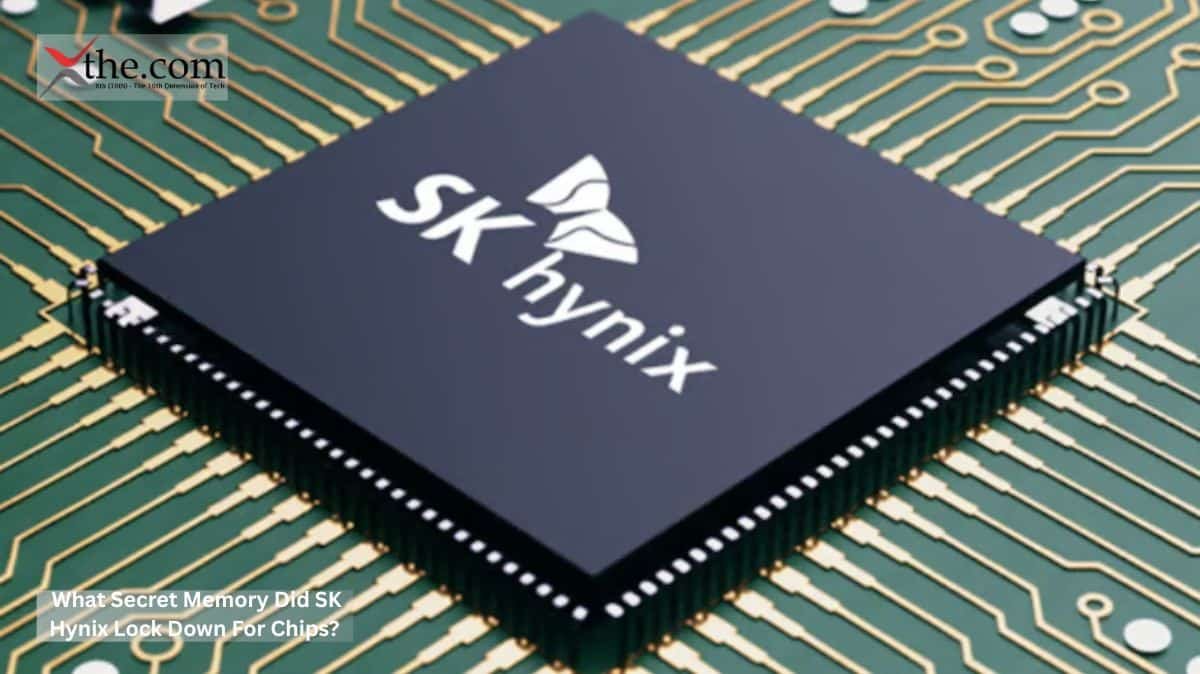
AI training clusters can handle trillions of calculations in just a few days, but many systems still run into the same problem: memory. It’s not the processors or the software that hold things back—it’s memory. This is why SK hynix Custom Memory is getting so much attention in the semiconductor industry. As demand for advanced computing infrastructure grows in the United States, SK hynix is rethinking how memory is made, assembled, and used to support the next generation of large-scale workloads.
The company’s new manufacturing strategy is about more than just making more products. It shows a long-term plan to create custom memory that can handle the growing demands of deep learning while also reducing heat, delays, and data transfer issues.
Why SK hynix Custom Memory Matters More Than Ever
For years, memory makers worked on packing more storage into chips and making them slightly faster each time. This approach was fine when data growth was steady and predictable.
But today, the computer world has changed.
Cloud platforms, industrial AI, autonomous systems, and big analytics engines now use more memory bandwidth than ever before. Developers working on advanced applications often find that fast processors don’t help much if the memory can’t keep up with the data flow.
This challenge has put SK hynix Custom Memory in the spotlight. Instead of sticking with standard memory designs, the company is building custom, high-bandwidth solutions made for demanding computing environments.
The goal is simple: move more data, reduce delays, and keep things cool even when workloads are nonstop.
The Fabrication Changes Reshaping Production Lines
There’s a major change happening in how these products are made.
SK hynix has committed considerable capital investments toward modernizing fabrication facilities and expanding advanced packaging capabilities. These changes affect nearly every stage of production, from wafer processing to final assembly.
One key area is stacking memory chips closer together. By doing this and controlling heat effectively, engineers can significantly boost bandwidth without making the chips much bigger.
But this approach brings a clear challenge.
Packing more memory into a small space usually means more heat. Too much heat can reduce system efficiency, shorten component lifespans, and slow performance in large computing setups.
To solve this, SK hynix is using better packaging methods, improved cooling, and smarter ways to connect components throughout its factories. These changes are a key part of the company’s broader next-gen fabrication strategy.
The aim isn’t just to make more memory chips, but to create smarter memory designs.
How Next-generation fabrication Supports Deep-Learning Facilities
Modern AI centers look more like factories than old-style server rooms.
Thousands of processors run simultaneously, and large amounts of data move nonstop between memory and computing units. Even small slowdowns can add to big performance losses across a whole data center.
This is why next-generation fabrication methods are so important.
Imagine an AI center training advanced language models all day and night. If memory delays increase even slightly, they can lead to longer training times, higher costs, and increased energy use.
SK hynix engineers are tackling these problems by designing memory systems for nonstop, high-intensity environments. Their factory upgrades focus on moving more data, reducing delays, and keeping things cooler.
For businesses, these improvements can have a direct impact on the cost and operation of their infrastructure.
The Role of Capital Spending in Long-Term Supply Security
Making semiconductors takes time and patience.
Building a modern chip factory takes years of planning, billions of dollars in equipment, and expert engineers. This means that reliable supply often depends on choices made long before products are available.
SK Hynix is investing heavily to ensure it can continue producing chips over the long term. These capital investments go beyond building factories—they also include advanced equipment, improved packaging, testing setups, and specialized tools needed for high-performance memory.
This commitment is important for U.S. companies.
Many businesses rely on steady supplies of semiconductors. Unexpected shortages can delay projects, raise costs, and slow the adoption of new technology.
By expanding manufacturing capacities using targeted capital investments, SK hynix seeks to reduce those risks as it supports growing demand from hyperscale cloud providers, industrial software operators, and enterprise technology firms.
Understanding the Company’s Global Manufacturing Strategy
The semiconductor industry is truly global.
Raw materials, equipment, assembly, and final delivery often happen in different parts of the world. Any disruption in this chain can affect the entire tech industry.
This reality explains the importance of SK hynix’s wider global buildout initiative.
Instead of focusing on just one area, SK hynix is expanding its manufacturing across several locations and strengthening its supply chain. This approach spreads production and makes the company more flexible.
The ongoing global buildout also supports the increasing demand for custom memory products for AI systems.
For U.S. tech companies, having manufacturing spread across different locations gives them greater confidence when planning for the future.
Examining the SK hynix custom memory next-generation infrastructure roadmap
The most revealing aspect of the company’s strategy may be the emerging SK hynix custom memory next-generation infrastructure roadmap.
At its heart, this roadmap is about building dedicated memory systems designed for advanced computing. SK hynix now sees memory as more than a basic part, but as a key layer of infrastructure.
This difference is important.
Future industrial software will need memory systems that can handle separate tasks, nonstop processing, and constant data flow—without overheating or slowing down.
The SK hynix custom memory next-generation infrastructure roadmap reflects this reality through emphasizing customized architectures, manufacturing precision, and scalable deployment models.
In practice, this means businesses get memory solutions that fit their exact needs rather than using generic products.
What This Means for U.S. Enterprise Developers
System architects are under growing pressure.
Applications now handle bigger datasets. Customers want faster responses. Infrastructure teams have to balance output with energy use and costs.
These problems make memory design a key part of planning.
With SK hynix Custom Memory, larger investments, advanced manufacturing, and global expansion, the company is preparing to support the next big wave of industrial computing.
For developers working on large cloud services, AI, and data-heavy apps, memory performance is becoming the main factor in system efficiency.
Companies that fix memory bottlenecks first will have a clear edge over the competition.
As advanced computing centers grow in the U.S. and around the world, the chip industry is reaching a point where memory innovation is just as important as processor innovation. The SK hynix roadmap shows that future infrastructure will need not only faster chips, but also custom memory systems built to handle the requirements of the digital economy.
Source: NVIDIA and SK hynix Announce Multiyear Technology Partnership to Advance Memory for AI Factories