





Redmond, Washington
A county with 40,000 college students could be influencing the future of artificial intelligence more quickly than some big cities. Microsoft On the Issues research shows that university communities are becoming key places for testing and using advanced software.
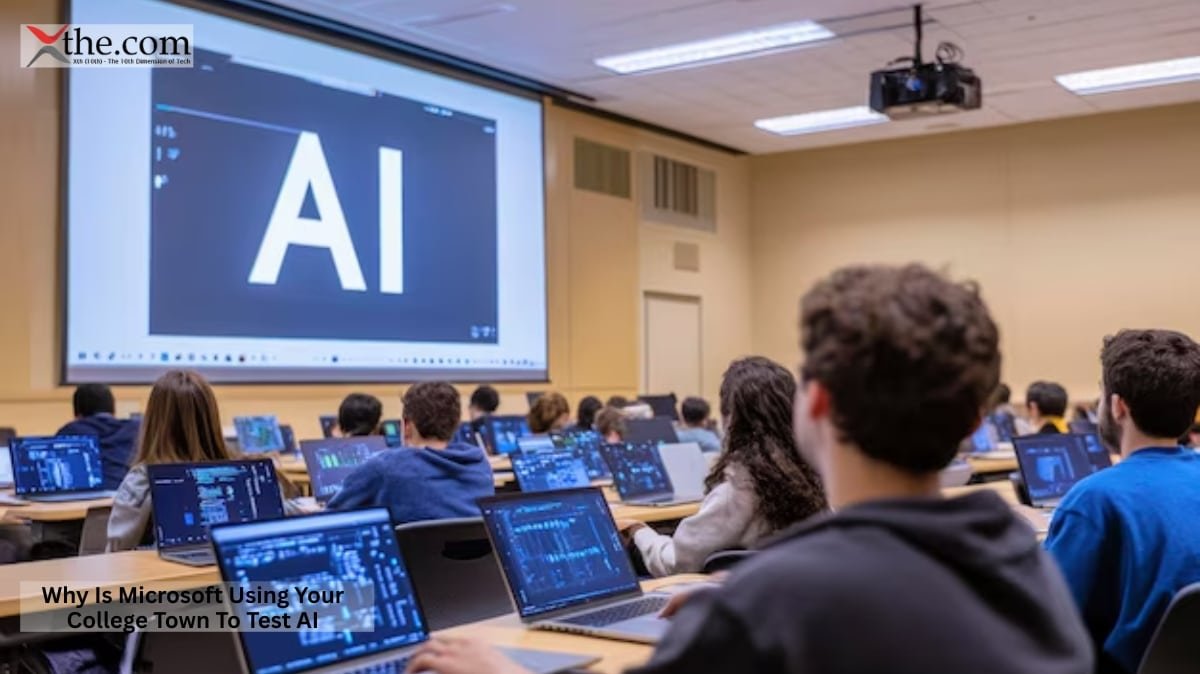
Across the U.S., areas with many students aged 18 to 24 are leading in AI adoption rates. This means college towns are now more than merely locations to learn—they are real-world labs where companies and schools test digital systems under heavy use.
For local leaders, school staff, employers, and planners, these changes affect much more than just the campus.
The New Geography of AI Adoption
A recent demographic study from Microsoft On the Issues shows a clear trend. Counties with big universities adopt new software faster than the national average. These places have qualities that make them great for testing new technology.
Young adults usually pick up new digital tools faster than older people. Universities also bring together researchers, startups, teachers, and tech groups. This mix gives software developers a perfect place to get quick feedback and test their products at scale.
This helps explain why college towns in states like North Carolina, Texas, Michigan, and California often lead in digital testing. In these towns, thousands of students might use cloud platforms, AI research tools, coding assistants, and smart productivity software all at once.
Having so many users in one place gives important data on how well these tools work and how people use them.
Why College Towns Have Become Living Testbeds
Tech companies have always looked for places where new ideas catch up fast. College communities provide just that.
Students are usually among the first to try new technology. They test new platforms, quickly share tips, and use new software in daily life. When thousands use a tool at the same time, developers quickly learn how well it works and how to use it.
The Microsoft study on college Town AI adoption rates shows that this trend is accelerating. Universities now depend more on computerized systems for research, class management, cybersecurity, advising, and overall operations.
Imagine a county with a large public university and 50,000 students. At busy times, students might all use AI writing tools, online tutoring, cloud computing, and group work platforms at once. This puts pressure on regional infrastructure, similar to what big cities face.
Because of this, these areas give us a glimpse of what nationwide AI use might look like in the future.
Understanding General Purpose Technology
Economists call big, game-changing innovations of General-Purpose Technology because they affect many different fields, not just one industry.
Electricity changed how we make things, travel, care for health, and communicate. The internet transformed shopping, learning, entertainment, and government services.
Artificial intelligence is starting to have a similar wide-reaching impact.
The concept of General Purpose Technology illustrates why it matters for college towns to adopt new software. Universities touch almost every part of society. Engineering students use AI for design; medical researchers use it to study big data, business students learn about predictive analytics, and public administration looks at automated services.
Since AI affects so many fields at once, universities are a particularly important place to watch how this technology develops in real life.
What is learned in these areas often shapes how other industries start using new technology.
Infrastructure Pressure Is Growing Faster Than Expected
The rise in AI adoption rates creates opportunities, but it also introduces new challenges.
Advanced software needs a lot of computing power. More cloud use means busier networks. Data centers use more electricity. Schools rely on steady digital services for research and classes.
For local governments, planning for the future now means thinking about digital needs, not just how many people live in the area.
Even if a county’s population grows slowly, it can still see heavy broadband use if many students and businesses start using AI apps every day. Power companies need to plan for increased computing; internet providers need sufficient bandwidth, and city planners must assess whether current systems can handle future digital growth.
The demographic study showcased by Microsoft On the Issues reinforces the reality that technological growth and physical infrastructure are progressively interconnected.
Financial Indicators for Regional Leaders
These data also have a big impact on local job markets.
Communities with strong AI adoption rates often attract employers seeking digitally skilled workers. Technology firms, consulting companies, healthcare organizations, and advanced manufacturers frequently establish operations near universities because they provide access to emerging talent.
This trend can help the economy. It creates new jobs, boosts startup activity, and leads to more research partnerships.
But what employers expect from workers is also changing.
People who used to do tasks the old way may now find automated systems doing those jobs faster. Schools and community leaders need to support new ideas while helping people adjust to new job needs.
The Microsoft study suggests that areas that focus on workforce training may be better prepared for sustained economic growth.
What Community Leaders Should Watch Next
The main question is not if AI use will keep growing. The evidence says it will.
The bigger issue is how fast it will happen.
Some college towns are moving much faster than the national average. This gap brings both chances and risks. Places that invest in digital systems, training, and better internet may get ahead. Those who wait could face slow networks, reliability problems, and lose out economically.
Data from Microsoft on the Issues show that university areas are emerging as early signs of broader economic changes. What happens in these places now often spreads to other areas later.
America’s college towns have long served as centers of research and innovation. Now they appear to be performing another role: acting as a proving ground. America’s college towns have always been places for research and new ideas. Now, they are also testing grounds for the next wave of big technology. As more people use AI and new studies emerge, local leaders may realize that the digital economy’s future is already underway in the neighborhoods around their university.