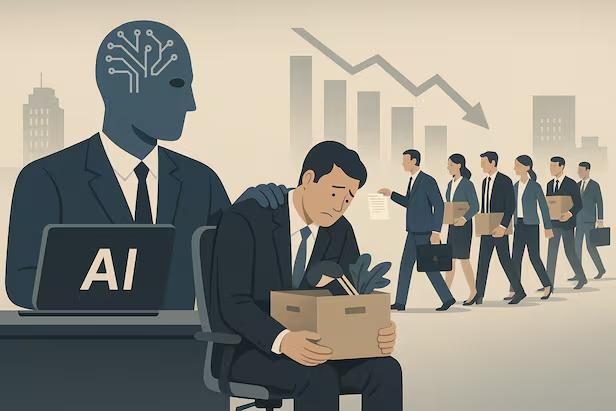




The latest U.S. Securities and Exchange Commission (SEC) filings suggest a growing trend of companies laying off employees. Organisations have begun automating some functions once performed by human employees; for example, companies are now using AI to assist with complex decision-making, data analysis, and other operational tasks. In this way, AI has fundamentally changed how employers and employees interact, affecting millions of employees and prompting numerous organisations to reconsider how best to manage their workforces and boost productivity.
AI Integration and Workforce Transformation
Businesses across sectors are using AI systems to replace workers or augment employee roles, with applications including customer support, accounting, supply chain, and analytics. Customers will benefit from improved cost efficiency and higher productivity as these functions are all becoming automated.
Small, medium, and large organisations are using the speed at which AI can analyse massive amounts of data, uncover patterns, and execute many tasks with little or no error as their main reasons for moving to automated systems. In addition to the large savings that come from automating processes, there are also questions about what will happen to future jobs, how workers will keep their skills up to date, and finally, what will those individuals do once they are out of work if they are moved out of their current job into other opportunities?
Industries Most Affected
The technology industry is known for and has a long history of using data to make important decisions. Artificial intelligence and all that is associated with it, such as machine learning, are now being utilised by businesses in the technology industry for many tasks, such as coding, testing, and troubleshooting, that were traditionally done manually. The financial industry has developed machine learning systems that can perform many functions, including studying portfolios for investment opportunities and detecting fraud.
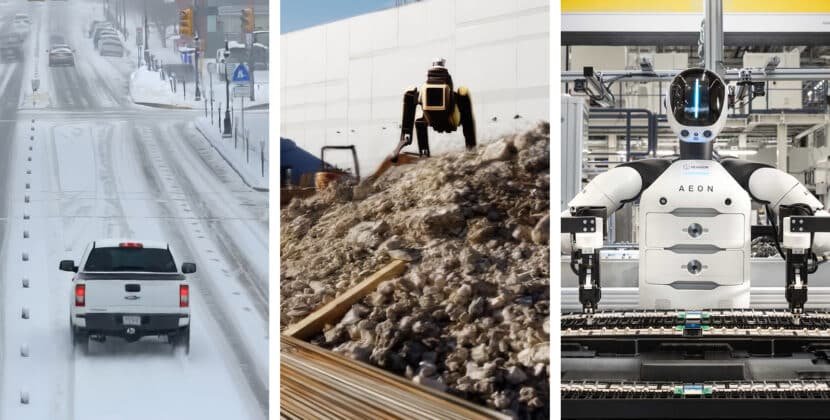
Manufacturing and retail are now being impacted by robotics, predictive technology, and automated inventory systems. Creative industries such as marketing and media have been using AI to create content in place of human writers. This indicates an increase in the automation of work beyond routine processes into areas that require higher levels of cognitive function.
Strategic Deployment of AI
Companies are implementing AI to create more effective, efficient workflows, thereby improving both productivity and quality. By reassigning human employees to perform tasks of higher value while automating tasks that are repetitive and typically have an associated potential for error, i.e., duplication of effort, companies believe that they will be able to improve overall productivity by remaining innovative and providing high-quality services.
When companies implement AI systems, they often also offer reskilling initiatives, i.e., programmes that help current employees learn to work with or alongside an AI system or focus on jobs that require uniquely human abilities like leadership, creativity, and emotional intelligence. However, there are many variations between individual companies and industries regarding the extent of reskilling programmes provided to former employees, which is, invariably, not available to all displaced persons as a source of assistance in finding new employment.
Economic Implications
The increase in AI employment terminations will have a major effect on the economy. For example, when companies cut payroll expenses through technology, it can improve their profit margins. That said, if many people who were displaced from their jobs become consumers, it could affect their spending. This could also contribute to social inequality since consumers will have reduced disposable income. Economists also state that failure to take proactive measures in the workforce could worsen the income gap and put additional pressure on social safety nets as automation increases.
Investors are watching these events closely because they will affect how companies operate, how investors value them, and how competitive they are with one another. Companies that can efficiently use automation and effectively manage their workforces will likely achieve significant cost savings and a significant increase in profitability.
Ethical and Regulatory Considerations
SEC filings illustrate the growing importance of transparency and accountability as companies introduce workforce changes driven by artificial intelligence. Investors and regulators are showing interest in how companies report the extent and impact of AI on worker employment, as well as any risks to their ongoing business operations and public image.
Witnessing the introduction of AI raises ethical questions such as whether companies should have a duty to provide for displaced employees displaced by technological advancement, whether companies should conduct their employment relationships consistently with fair labour practices, and whether they can continue to earn the trust of their stakeholders after they have transformed their organisations. It’s a significant challenge for corporate leadership now and in the future.
Worker Perspectives
AI-based layoffs create an unprecedented shift in employees’ relationship to job stability and their future planning at work. For example, when workers’ functions are automated, they will lose their jobs, and those remaining will need to modify their workflows and coexist within an environment filled with intelligent systems.
The effects of this transition highlight the need for ongoing improvement in learning and skill development, particularly in technological literacy, data analysis, and solution development. Companies that invest in upskilling their workforce will be better positioned to mitigate some of the negative consequences of automation and retain talent essential to long-term success.
AI’s Role in Corporate Strategy
AI enables companies to make decisions guided by objective data rather than subjective opinions or speculation. With this capability, an organisation can identify emerging market trends, predict consumer demand for products/services, and optimise resource allocation more quickly than with only human teams.
The use of AI gives corporations a competitive advantage, further validating AI as an integral part of their growth strategies through workforce restructuring. Corporations are beginning to view AI not only as a tool but also as a key force behind their future competitiveness in fast-changing markets.
Balancing Innovation and Responsibility
AI usage is on the rise, and with this increase comes the challenge of how companies can create new technologies while being ethically responsible. To maintain public confidence and achieve sustainable success, companies need to communicate transparently, support those who lose their jobs to automation, and carefully manage workforce transitions.
Emerging AI governance frameworks provide companies with an effective roadmap for deploying automation responsibly, boosting productivity, and fostering innovation.
Future Outlook
There is also a belief that the trend toward automation as a driver of workforces will continue and that automation will be expanded further into additional roles and/or industries. Because of these factors, organisations will continually be required to evolve through investments in AI capabilities while also strategically managing their human capital.
Employers anticipate that as AI evolves into a more sophisticated form, it will be able to perform advanced cognitive tasks, leading to changes in how people are employed. This shift cannot be achieved without the coordination of businesses, governments, and educational institutions to provide a workforce that can respond to and adapt to technological change.
Conclusion: A Transformative Shift
SEC filings indicate that job cuts due to artificial intelligence are not just happening at select companies; it is indicative of a larger shift occurring throughout the American economy. The introduction of automation across sectors is changing the way people work, the nature of jobs, and the traditional workforce structure.
Companies that have embraced AI as part of their operations, while emphasising employee support and retraining through upskilling programmes, may do well as the labour market continues to evolve; those that don’t embrace this approach face the risk of operational difficulties and reputational damage. This new phase in the history of work represents a turning point in how work is defined, as well as in the need for innovative, flexible, and responsible approaches to deploying these technologies.
Source: https://www.sec.gov/