




Arlington, Virginia
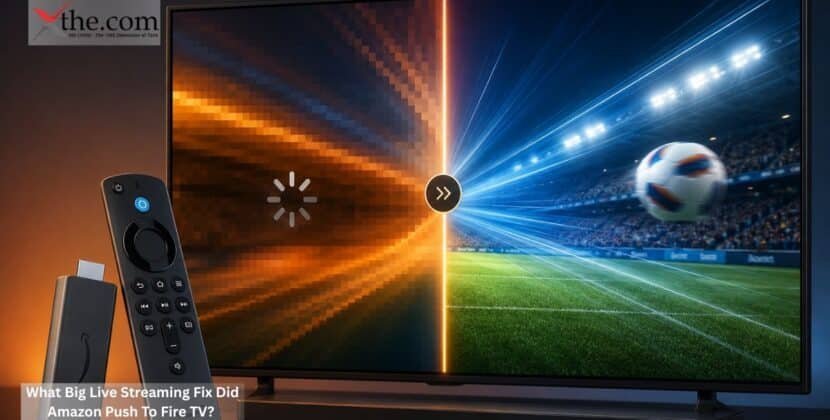
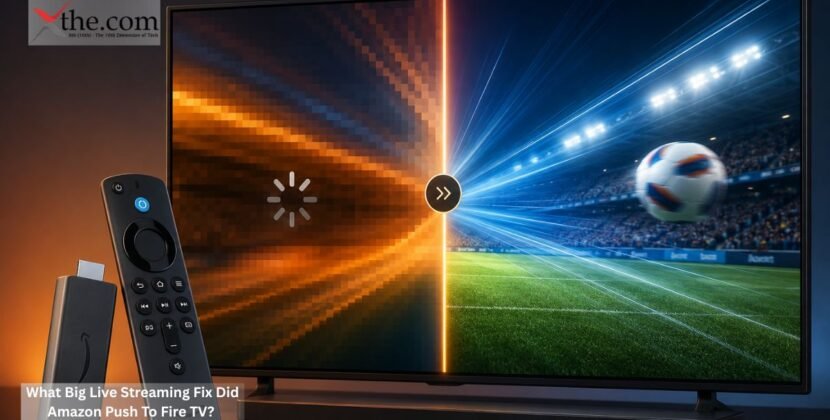
When a fourth-and-goal snap crosses the line of scrimmage, and your Amazon Fire TV stream lags by four seconds, watching at home gets frustrating. You hear your neighbor cheer before your screen even catches up. This is not a network issue. It is an architecture problem, and Amazon has finally decided to fix it.
This month, Amazon quietly rolled out a significant firmware update to compatible devices, tackling one of the biggest complaints from home entertainment fans: inconsistent live-stream delivery during busy events. The latest Amazon Fire TV Update focuses on the core system that handles live data on the device, and this could have a big impact on multi-camera sports broadcasts.
The Amazon Fire TV Update and What It Actually Changes
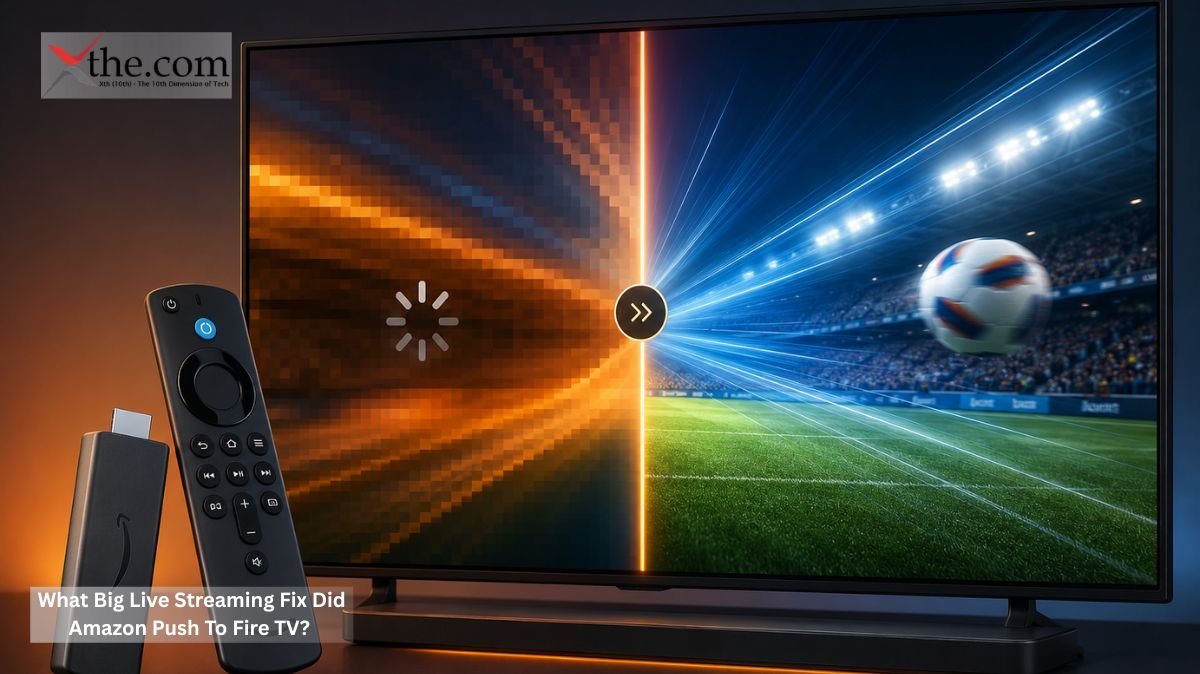
Amazon’s engineering team confirmed that this firmware update brings the Fire TV device-level stream caching update 2026, which aims to reduce the erratic buffering that has affected high-bitrate live feeds. Core to this update is the Local Cache Partition, a dedicated part of the device’s storage set aside just for live-stream buffering and kept separate from other app data.
Before this update, Fire TV devices handled live-stream data using a shared memory system. This setup worked well enough for on-demand content, where the player could pre-fetch and buffer deeply, hiding any network issues from viewers. Live content is a different challenge. When many people are watching at once, like during the Super Bowl or Champions League final, the operating system has to juggle the live-stream buffer, background apps, and system functions simultaneously. Something must give, and usually, it is your stream.
How the Local Cache Partition Works.
The new Local Cache Partition approach sets aside a fixed amount of storage, reportedly between 256MB and 512MB depending on the device model, for use only by the live-stream playback engine.ne. No other process can use this space during playback. It is like having a dedicated express lane on a highway, separate from the lanes used by everyone else.
In practice, this means the device can keep a more reliable pre-buffer window. The playback engine no longer has to compete for memory in real time; it simply uses its reserved space without interruption. Early tests from third-party streaming labs show that startup latency dropped by about 18 percent on Fire TV Stick 4K Max devices when streaming 4K HDR at bitrates above 15 Mbps.
Multi-angle streaming: The Feature That Makes This Issue
The Local Cache Partition may appear as a minor detail in a typical firmware update, but it is important because it enables stable Multi Angle Streaming. This is where the update goes from a simple fix to something that can truly change how people watch live sports.
Multi-angle streaming means the device must buffer data from several camera feeds simultaneously, such as end-zone, sideline, aerial, and player-tracking views. While you watch one angle, the others are kept ready in the background. When you switch angles, the change should be instant, not a two-second black screen followed by more buffering. Without dedicated buffer management, this smooth switch is hard to achieve.
Amazon’s integration of NFL Sunday Ticket and its new partnerships with multi-camera broadcast providers made this update a top engineering priority. The Fire TV device-level stream caching update 2026 is what makes Multi Angle Streaming actually work, rather than just a feature that looks good on paper but does not deliver.
What This Means for Broadcasters and Rights Holders
The impact goes beyond just viewers at home. Broadcast engineers who set up multi-camera systems for live sports have always faced limits due to the capabilities of client devices. A production truck might send out twelve camera feeds at once, but if the device at home can only buffer two without problems, the system has to make tough choices about which feeds to compress or drop.
Now that Fire TV hardware has the Local Cache Partition, rights holders can start creating streaming packages with four or more camera angles at once, without worrying about device limitations. Amazon has not released a formal developer guide yet, but sources say an updated media playback API, which will let developers control the partitioned buffer, is expected before the NFL regular season starts in September 2026.
The Amazon Fire TV Update in the Context of the Streaming Wars
Amazon is not the only company making these changes. Roku’s OS 14 added adaptive buffer sizing in early 2026, and Apple TV’s tvOS 18.3 introduced a background stream prefetch feature for live events. Google TV has also been improving its low-latency HLS support since mid-2025. This competition matters because every platform knows that live sports rights are extremely valuable, and gadget performance is now a real way to stand out.
However, Amazon is the only major platform that also owns top live sports rights, including Thursday Night Football, the NBA, and a growing international soccer lineup. This vertical integration gives the Amazon Fire TV Update a competitive advantage that competitors cannot easily match. When Amazon improves device stream caching, it directly increases the value of the content it already owns and delivers.
Which Devices Receive the Update
The Fire TV device level stream caching update 2026 is available for Fire TV Stick 4K (second generation and later), Fire TV Stick 4K Max, Fire TV Cube (third generation), and certain Fire TV-embedded smart TVs from 2023 onward. First-generation and 1080p-only devices will not receive the Local Cache Partition due to hardware memory limitations. Amazon says the update is rolling out automatically in stages, and users with eligible devices should see the new firmware version in Settings > My Fire TV > About within the next two to three weeks.
If you subscribe to multi-camera broadcast packages through Prime Video or third-party sports apps on Fire TV, you do not need to change any settings. The Multi Angle Streaming improvements appear in the app’s interface, while the device manages the buffer automatically in the background.
Reading the Signal
Amazon does not usually announce firmware updates with the same excitement as hardware launches. The Amazon Fire TV Update coming out this month did not get a press conference. This low-key approach shows that the company is focused on building infrastructure, not just creating a marketing event.
The Fire TV device-level stream caching update 2026 and its Local Cache Partition show the kind of engineering investment that sets apart platforms serious about live sports from those that just license content and hope for the best. As new Multi Angle Streaming packages come to market, with features like AI camera selection, real-time stats, and customized viewing angles, hardware capability will decide which platforms viewers rely on when it matters most. Amazon has just made a big step forward in that area.