





Redmond, Washington
It is unusual for a single licensing structure to change how an entire ecosystem works. This one could.
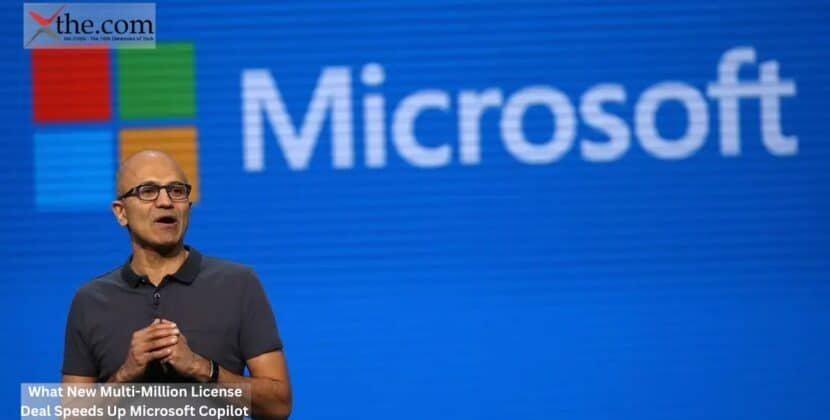
Microsoft has introduced a major set of partner incentives that link Microsoft Partner Center updates to multi-year Copilot commitments. The financial impact is substantial enough to influence how enterprise technology buyers plan their AI adoption. Partners who sign multi-year agreements now qualify for a 15% discount tier, a figure that, applied across a mid-sized organization seat count, can represent six-figure annual savings. That is not a rounding error. That is a real budget impact, not just a small difference.
The New Math Behind Microsoft Partner Center Updates
For years, Microsoft’s partner ecosystem followed a simple incentive model: sell licenses, earn margins, and renew annually. The updated structure shifts the calculus significantly. Under the new framework embedded in the latest Microsoft Partner Center updates, partners who sign clients to multi-year Copilot agreements get tiered discounts starting at 15% for two-year terms, with more incentives for three-year deals.
Take a multinational professional services firm with 3,000 Copilot seats. With standard pricing, a 15% reduction over two years is not simply a theoretical benefit. It can pay for more deployment resources, extra training, or simply help a budget-conscious IT team. In short, this incentive has a real impact.
What stands out here is not just the discount, but the purpose behind it. Microsoft is not only aiming for short-term revenue. The multi-year commitment model is meant to secure adoption long enough for AI productivity gains to become clear and measurable within a company. This gives both partners and clients a reason to invest more deeply, not less.
Copilot Licensing Promotions: Retire the Familiar Playbook
The new Copilot licensing promotions come with another big change that may be even more disruptive for partners than the discounts: Microsoft is retiring the old Copilot training badges. The company has announced that the basic Copilot certifications, which many partners earned early on, are being replaced by a tougher certification track.
The new certification is called the Agentic AI Business Solutions Architect. This credential shows a much higher level of technical and managerial skill. While the old badges showed basic knowledge of Copilot features, the new certification tests whether a partner can design, deploy, and optimize systems built on agentic AI architectures. These are AI systems that can make decisions on their own, handle multi-step tasks, and work across enterprise workflows without needing constant human input.
This change is intentional. Microsoft is not just updating its training; it is raising the bar for its partners. Those with the Agentic AI Business Solutions Architect credential are ready to sell and support a much more complex product. For enterprise buyers, this difference is important as Copilot becomes more than just a productivity tool and starts to serve as a core part of operations.
Why Agentic AI Architectures Change the Deployment Conversation
The move toward agentic AI architectures is about more than just contract terms. Traditionally, enterprise AI has served as a tool for employees to complete tasks more quickly. Agentic systems are different. They initiate processes, coordinate across platforms, and execute workflows according to set rules. This reduces the need for people to handle routine tasks.
For example, a legal department could use an agentic Copilot setup that monitors contract repositories, flags renewal dates, drafts summary memos, and sends them to the right lawyer, all without requiring a paralegal to start each step. A procurement team might use an agentic workflow to match purchase orders with supplier invoices in real time and automatically handle exceptions. These are not just future possibilities; Microsoft’s certified partners are already being trained to build these solutions.
The Microsoft Copilot multi-license promotion and partner skilling updates directly support this shift. The multi-year discount gives organizations the financial space to set up agentic deployments the right way. These projects are not quick fixes. They need careful integration planning, governance, and ongoing improvement. In this context, a 15% discount on a two-year deal is less about saving money and more about giving teams the time to implement things properly.
What Partners and Buyers Should Watch
The competitive effects within the partner ecosystem are significant. Partners with the Agentic AI Business Solutions Architect certification will have different discussions with enterprise buyers compared to those with older credentials. Procurement teams considering Copilot deployments will start asking not only whether a partner has Copilot experience but also whether they can design autonomous workflows at scale.
For buyers, the new Copilot licensing promotions mean they need to think more carefully before committing. Signing a two- or three-year agreement requires confidence in the deployment plan, the organization’s readiness, and the vendor’s stability. In these areas, having a partner with real expertise in agentic AI architectures is no longer only a bonus it is becoming a requirement.
Organizations that see the Microsoft Partner Center updates as just a simple procurement step signing the multi-year deal, taking the discount, and carrying on as usual will probably miss out on most of the value. Those who use the licensing devotion to accelerate their agentic AI strategy can gain something the discount alone cannot offer: an operational advantage that grows stronger and more defensible over time.
Microsoft has structured these incentives to reward exactly that kind of drive. Whether partners and their clients respond accordingly will define the next chapter of enterprise AI adoption.
Source: Microsoft Build 2026