



Amazon Announces Prime Day 2026 just as household budgets are under pressure. Memory prices have tripled, home electronics are more expensive, and grocery bills keep rising. In this context, the four-day event from June 23-26 is far more than a seasonal sale. It offers shoppers a chance to save before inflation pushes prices even higher.
Amazon Announces Prime Day 2026: What the Official Calendar Really Means
This year, Amazon is holding Prime Day in June instead of its usual July slot. The event, which usually acts as a mid-summer alternative to Black Friday, is in June for the first time since 2021. Amazon says this change helps avoid conflicts with major summer events like July 4th, when shipping networks are especially busy.
The four-day shopping event starts at 12:01 a.m. PDT on June 23. Deals will be available on the Prime page and the Amazon Shopping app. For the first time, 26 countries are taking part, including Canada, Germany, Colombia, Egypt, Singapore, and the United Arab Emirates. Coordinating this worldwide event requires a complex logistics system that most shoppers never notice.
The Supply Chain Logic Behind the June Window
The decision to anchor the Amazon Announces Prime Day 2026 discount schedule in late June is not arbitrary. It reflects hard lessons from supply logistics disruptions that plagued e-commerce from 2020 onward. Moving Prime Day earlier in the summer gives Amazon’s fulfillment network a cleaner runway one clear of the July 4th shipping surge that compresses carrier capacity and drives up last-mile delivery costs.
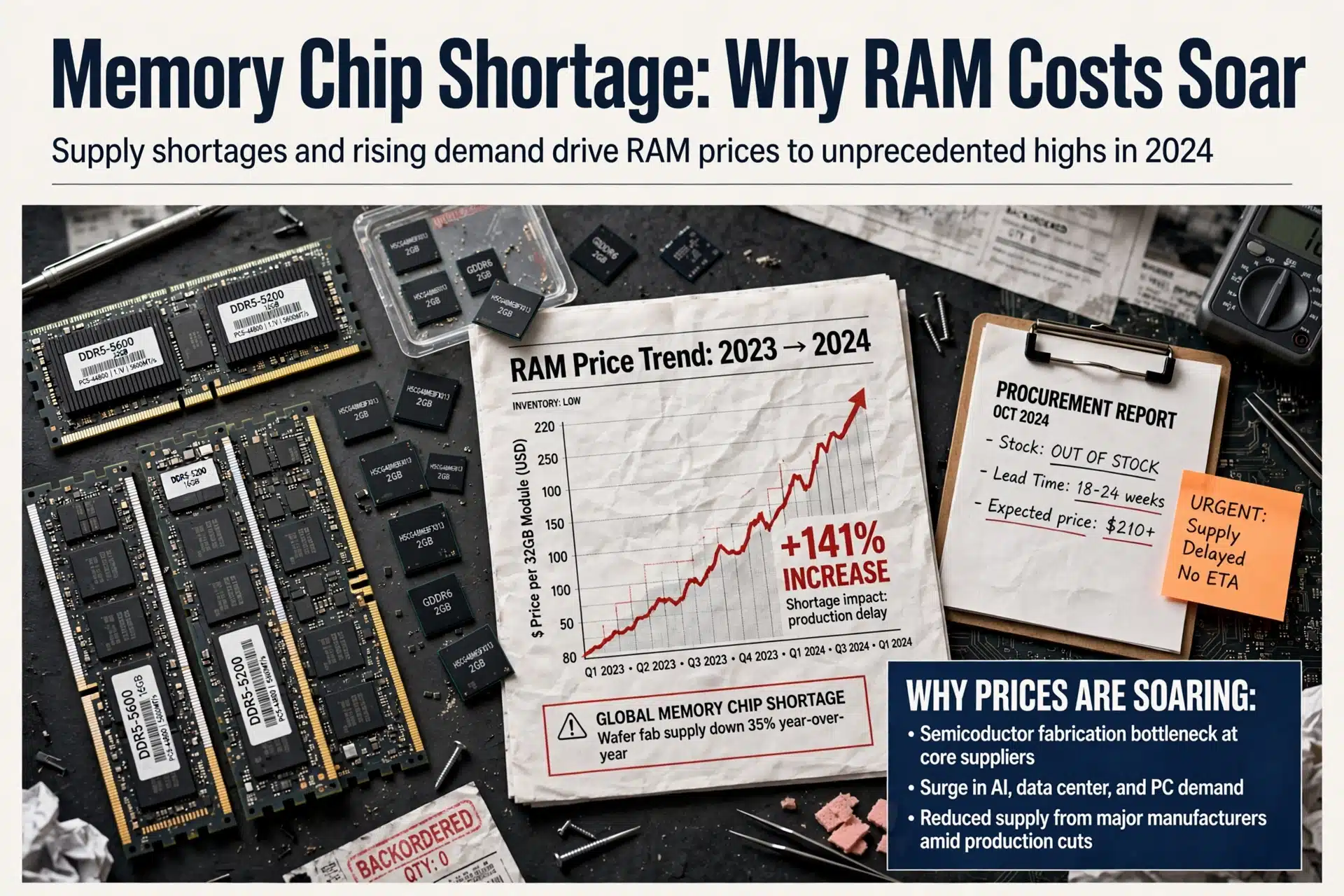
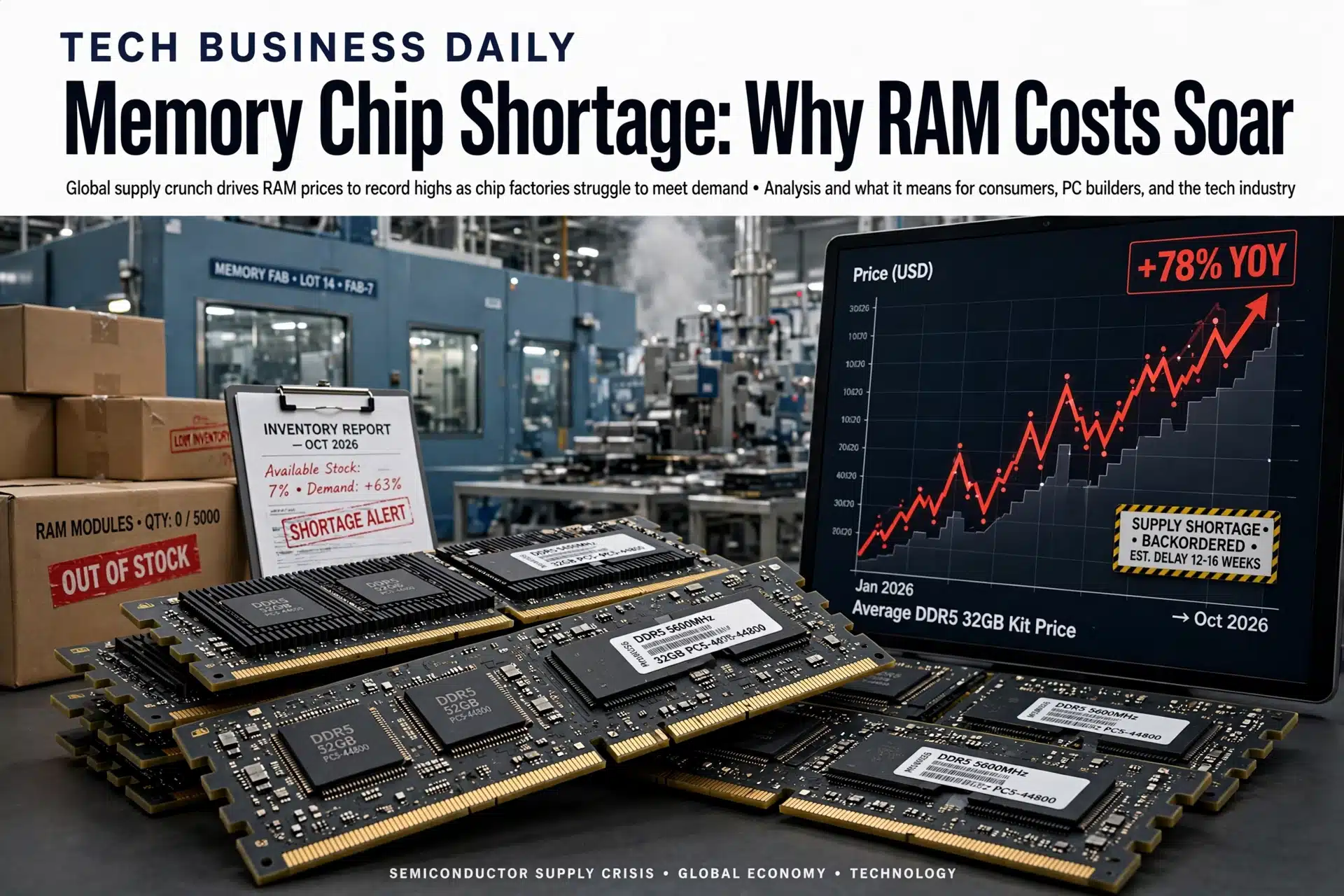
There is also a strong economic reason for the timing. Gartner predicts that DRAM and SSD prices will rise by 130% by the end of 2026, increasing average PC prices by 17%. This means late June is likely the lowest point for prices on laptops, solid-state drives, and other electronics this year. A household budgeting for a laptop purchase in August will almost certainly pay more than one that shops during these summer sales dates. This is not simply a sales tactic; it is simple math.
Amazon opened its deal submission window for sellers on March 24 and closed it on May 26. This gave brands time to prepare extra inventory near fulfillment centers to avoid running out of stock during flash deals. If an item sells out during a Lightning Deal, it hurts the customer experience. Amazon’s system of spreading inventory across regional centers is meant to prevent this from happening.
Decoding the Flash Deal Mechanic
Many people misunderstand Prime Day. The key is not just which products go on sale, but how the sales are organized. This year, “Today’s Big Deals” will launch three times a day—at 12:00 a.m., 8:00 a.m., and 1:00 p.m. PT covering beauty, tech, kitchen, clothing, and outdoor items. Shoppers who only check once a day will miss many of the best deals.
Lightning Deals, which drop as often as every 10 minutes, represent some of the most aggressive discount’s brands offer all year. They run for only a few hours, and once inventory sells out or the window closes, the deal is gone permanently. This is the mechanism behind the exclusive member markdowns that drive Prime membership renewals the clock and the scarcity work together to generate urgency that a static 20-percent-off page never could.
Amazon’s grocery segment is also part of the Amazon Announces Prime Day 2026 discount schedule this year, with Prime members able to purchase select produce, meat, and deli favorites for $3 or less, some as low as $1, with same-day delivery. Amazon Haul is running 50% off sitewide on Day 1 for ultra-low-priced products. For cost-conscious households tracking food costs against a 6-percent annual grocery inflation rate, these markdowns on staples are not trivial.
Building a Buying Strategy That Actually Holds Up
Being prepared pays off during an event like this. Shoppers who make a ranked list of what they want rather than just browsing will get the best deals. By creating a Wishlist and setting notifications for specific products in the Amazon app, buyers can act quickly when a deal appears, rather than missing out after items sell out.
Some early deals are already available before June 23, with up to 60% off Amazon devices like the Echo Dot Max and Echo Show 11, and up to 65% off electronics, groceries, and fashion. Including these pre-event offerings as part of the buying strategy is sound practice some categories discount more aggressively in the lead-up to the event than during the event itself, particularly Amazon’s own hardware.
Walmart, Target, and Best Buy are also running their own sales during Prime Day. This competition benefits shoppers. These retailers will not let Amazon take all the electronics sales for four days. If you compare deals across several stores from June 23 to 26, you can take advantage of the extra discounts created by this competition.
The Retail Chain Reaction
Prime Day is no longer just Amazon’s sale. It now shapes the entire retail calendar. As soon as Amazon announces Prime Day 2026, department stores and electronics chains must decide whether to match the discounts or risk losing customers.
Walmart’s Deals event runs from June 22 to 28, overlapping with Prime Day to attract shoppers who want big savings without needing membership. This competition helps American families by spreading discounts across various stores, rather than waiting until Black Friday for major sales.
Families who treat this week as a chance to plan their purchases rather than shop on impulse will end up with better gear, full pantries, and some protection against rising prices later in the year.
Source: Prime Day 2026: The biggest deals to add to your wish list