




Santa Clara, California
A $300 office laptop with basic graphics usually cannot run Cyberpunk 2077 at 4K with ray tracing. But now, it can. This is possible thanks to a powerful server grid in Santa Clara that just got a major upgrade.
NVIDIA GeForce NOW Stream Games Get a Major Infrastructure Overhaul
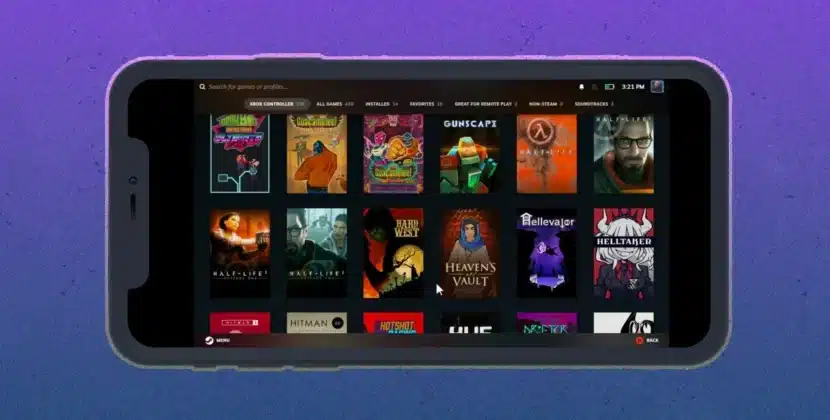
NVIDIA GeForce NOW streams games through a global network of computing centers, sending the game visuals straight to your screen, whether it is a Chromebook, MacBook Air, older Windows laptop, or even a phone. The platform itself is not new, but the underlying architecture has changed dramatically. In late 2025, NVIDIA completed a full rollout of Blackwell SuperPOD servers across its server grid, replacing the previous RTX 4080-class nodes with hardware capable of delivering RTX 5080-level performance to every subscribed session. The upgrade did not raise monthly prices. The Free tier is still available. The Performance plan remains at $9.99 per month, and the Ultimate tier is $19.99 per month.
For people who do not want to spend $1,000 or more on a separate graphics card, which makes sense given today’s prices, these subscription prices are very important.
How the Server Grid Eliminates the Need for Local Hardware
GeForce NOW’s design sounds simple, but it is hard to pull off. When you press a button in a game, your input goes to the nearest server, where a cloud GPU processes it in a separate cloud container. The server then sends a video stream back to your screen. This all happens in just milliseconds, so it feels like you are playing locally.
Until recently, that handoff carried too much overhead. CPU encoding layers at the operating system level added redundant processing steps between the GPU output and the outbound video packet. The NVIDIA GeForce NOW stream games low latency updates introduced at Gamescom 2025 addressed this directly. NVIDIA’s new Rivermax Hardware Packet Pacing allows direct GPU-to-network data transfers, bypassing the intermediate CPU encoding step entirely. The practical result: total system latency for Overwatch 2 running on GeForce NOW now sits at approximately 30 milliseconds measurably lower than the 49 milliseconds measured on a PlayStation 5 Pro playing the same title locally.
This is not simply a marketing comparison. That is a verifiable benchmark, and it shifts the conversation about what low-latency streaming can actually deliver.
What a Cloud Container Actually Does (And Why It Matters)
Every GeForce NOW gaming session runs in its own separate cloud container. This virtual environment gives each user their own GPU, memory, and storage, separate from everyone else on the same server. When a session ends, the cloud container is erased and set up fresh for the next user.
This setup has two big benefits. First, there is no leftover data that could slow things down over time, like on a personal PC. Second, every session starts fresh and fully optimized. For example, someone playing Baldur’s Gate 3 on a calm Tuesday afternoon gets the same resources as someone playing on a busy Saturday night, because each cloud container is set up separately and does not share resources.
The Blackwell server upgrade greatly increased the computing power in each cloud container. The new servers have 48 GB of frame buffer memory, which is over three times as much as older console-level hardware. Now, Ultimate tier sessions can stream games at up to 5K resolution at 120 frames per second, or 1080p at 360 frames per second for players with high-refresh monitors.
Low Latency Streaming Over Standard Home Broadband
The biggest concern with cloud gaming is relying on your internet connection. If your connection drops or slows down, the gaming session suffers. NVIDIA has spent the last 18 months building new infrastructure with internet providers to fix this problem.
Low-latency streaming on GeForce NOW, now gets extra help from internet providers, not just the platform’s own servers. Comcast is improving streaming by upgrading the DOCSIS standard, which is the same system used by most cable modems in American homes. Deutsche Telekom has added GeForce NOW to its 5G+ network, and BT Group is testing new technologies to keep streaming smooth even when the network is busy.
For most American homes with cable internet speeds between 100 and 300 Mbps, these upgrades help reduce the lag spikes that used to happen. The Blackwell servers can stream at up to 100 Mbps for 4K gaming. In 2023, many home connections would have struggled with this, but now, new network features from ISPs help keep the stream steady.
The platform also added a new setting called “Adjust for Internet Conditions.” This lets users choose between Optimal Latency, which makes games more responsive for fast-paced play, and Optimal Quality, which keeps the graphics looking good if the connection is unreliable. It is a small change, but it really helps in daily use.
The NVIDIA GeForce NOW Stream Games Low Latency Updates in Detail
The low-latency updates for NVIDIA GeForce NOW, released with the Blackwell upgrade, are the biggest technical changes to the platform since its launch. Three main features make these improvements possible.
First, NVIDIA Reflex now works with streaming at 1080p 360 Hz and 1440p 240 Hz, using the same technology that reduces lag in local gaming. Reflex reduces the wait time between the CPU and GPU, so your actions appear on screen faster. In streaming, where network delays introduce extra lag, Reflex’s benefits compound rather than overlap.
Second, Cinematic Quality Streaming mode now uses YUV 4:4:4 chroma subsampling, a color standard that removes the blurriness and color bleeding seen in older cloud gaming. With AV1 encoding and 10-bit HDR support, the visuals in supported games now look just like they would if you were playing locally.
Third, the separate cloud container setup makes sure that one session’s improvements are not affected by others running at the same time. Each container operates independently, so latency remains close to 30 ms even when the servers are busy.
What This Means for the Budget PC Buyer
An RTX 5080 graphics card has a suggested retail price of over $1,000. Supply has been tight through early 2026, and store markups make the real price even higher. If you want RTX 5080-level performance now, you either have to pay a lot or wait.
GeForce NOW’s Ultimate tier gives you the same GPU power for $19.99 per month, or $130 per year with the current promotion. New subscribers who choose the annual plan get full access to Blackwell’s server grid, with no hardware to buy, no drivers to update, and no worries about overheating.
The 100-hour monthly limit, added in January 2026, affects about 6 percent of users, according to NVIDIA. If you play three hours a day, you will hit that limit. After that, you can buy an extra 15-hour block for $5.99 each on the Ultimate tier. For most casual and moderate players, the regular subscription is enough for the whole month.
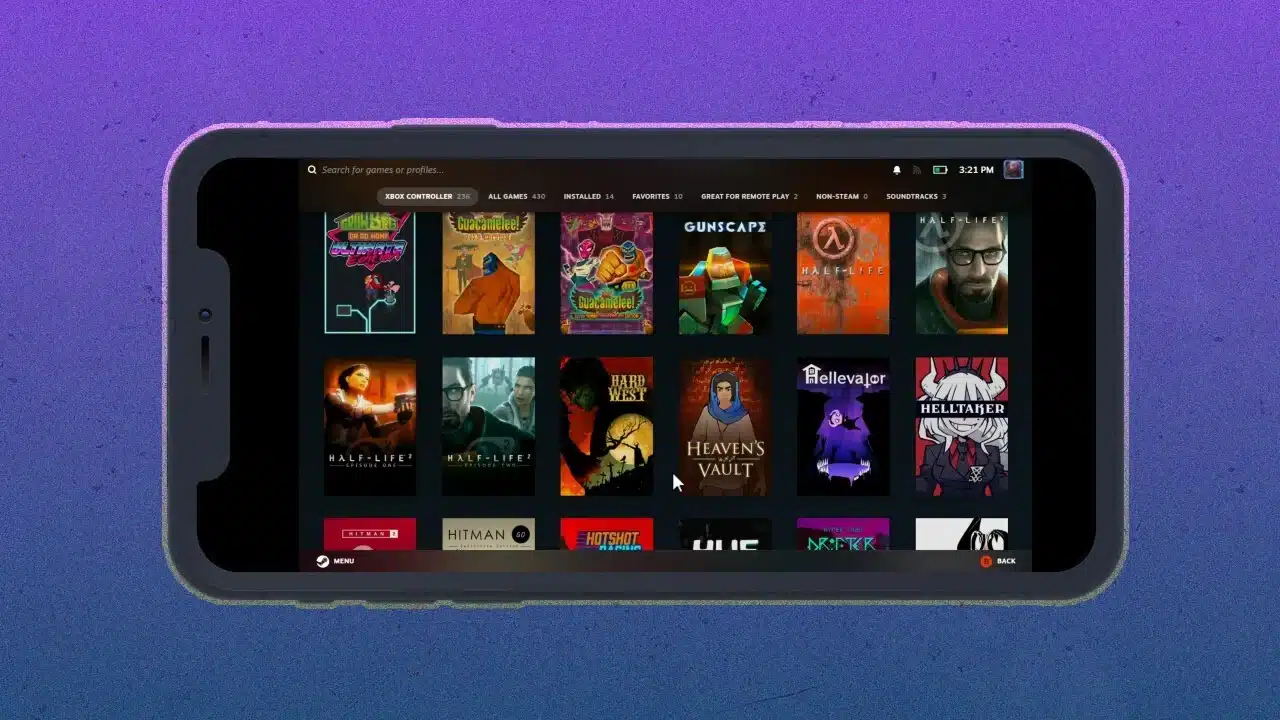
The platform works with Steam, Epic Games Store, GOG, Xbox, and Ubisoft Connect. If you already own Elden Ring on Steam, you do not have to buy it again. You just open it through GeForce NOW, and it runs on a Blackwell GPU in a cloud container in Santa Clara, streamed to your nearest screen.
Source: Nvidia Newsroom