





Round Rock, Texas
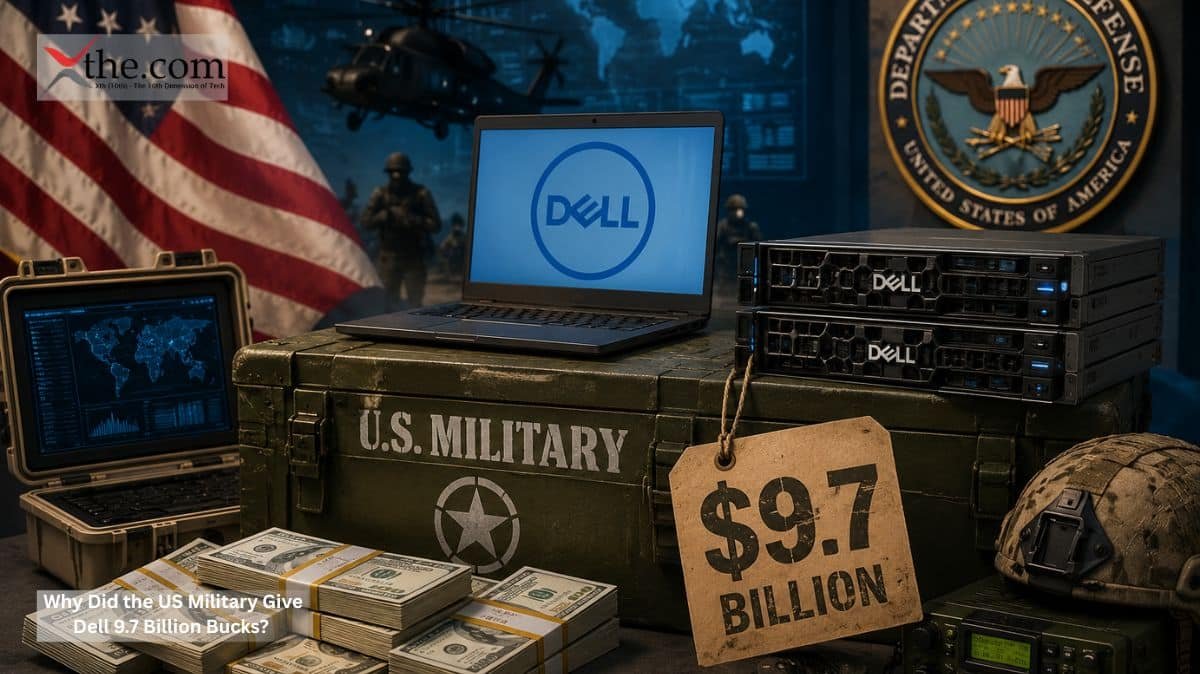
Today’s military operations depend on digital systems just as much as on vehicles or aircraft. If software updates are delayed or email systems go down, it can disrupt logistics, intelligence, and command decisions. This is why Dell Federal Systems landed a contract worth up to $9.7 billion to help support the U.S. military’s digital infrastructure. The big number stands out, but the real story is how government agencies are working to rebuild the technology that underpins national defense.
The agreement, widely viewed as a landmark modernization effort, reinforces how software platforms, cloud computing, and cybersecurity have become core elements of military readiness. The War Department’s reported massive infrastructure modernization deal with Dell illustrates a wider shift toward durable digital operations rather than isolated hardware purchases.
Dell Federal Systems Takes Center Stage
Dell Federal Systems has spent years providing technology to U.S. government agencies. Unlike Dell’s regular business, this division focuses on secure computing, managing technology over its life cycle, and meeting strict federal security standards.
The new contract is said to focus on updating Microsoft 365 systems, expanding hybrid cloud use, improving device management, and making it easier to roll out technology across several defense groups.
Instead of just buying servers or laptops, the military is building a connected digital system to support millions of users across offices, command centers, overseas bases, and remote sites.
This huge scale is why the contract is worth billions of dollars.
Why Microsoft Cloud Infrastructure Matters to Defense
Military organizations progressively depend on electronic collaboration.
Military staff need secure email, document sharing, identity checks, encrypted messaging, and tools for collaboration across different locations. These needs depend heavily on Microsoft’s cloud infrastructure, especially hybrid clouds that integrate government and commercial services.
Hybrid cloud setups give flexibility because not every task has to run on public cloud platforms.
Sensitive data can stay in secure government buildings, while less sensitive business apps can use the flexible resources of commercial cloud services.
This modernization is said to support an evenhanded approach by enabling systems to work together more effectively and maintain strong security.
Military planners care about resilience just as much as they do about performance.
A secure cloud system that remains operational during cyberattacks or outages helps ensure missions can continue.
Modern Warfare Depends on Defense Tech
The term ‘defense tech‘ now refers to software as much as hardware.
In the past, the focus was on buying tanks, planes, radios, and weapons. Now, electronic platforms affect almost every part of military operations.
Things like supply chain management, predictive maintenance, logistics, teamwork, cybersecurity, intelligence, and command communications all depend on connected technology systems.
A modern military cannot operate efficiently using fragmented legacy systems.
A modern military can’t work well if it relies on old, disconnected systems. I’m tasked with decreasing operational complexity by strengthening security across thousands of linked devices.
That’s why defense tech contracts often focus on integrating software and physical equipment.
The Strategic Value of Hybrid Cloud
Many people think cloud modernization just means putting apps online, but it’s more than that.
Defense groups need carefully designed systems that are easy to use yet meet tough security standards.
Hybrid cloud setups let agencies decide where each task should run, depending on how sensitive, regulated, or demanding it is.
For example, staff management apps might run in commercial clouds, while secret intelligence systems stay in secure government buildings.
Such flexibility helps lower risks and makes better use of resources.
The contract with Dell Federal Systems is said to focus on making it easier to manage all these different systems, not just replacing everything at once.
Why Large-Scale Modernization Takes Years
Updating digital systems takes time.
Switching out technology across many military groups needs careful planning, step-by-step changes, cybersecurity checks, staff training, and ongoing support.
Moving millions of user accounts, keeping sensitive data safe, updating devices, and connecting old apps are all tough engineering problems.
Even one disruption could impact important missions.
That’s why these modernization contracts usually last for years, instead of following the old pattern of buying hardware every so often.
Long-term partnerships help keep processes running smoothly and allow technology to evolve as threats and needs change.
Beyond Hardware: Dell’s Expanding Government Role
Dell’s work with the government is starting to look more like what’s happening across the tech industry.
Big customers, like government agencies, now buy full technology systems instead of just single products.
Planning for infrastructure now covers servers, devices, storage, networks, cybersecurity, managing tech over time, cloud connections, and support.
By offering all these connected services, Dell Federal Systems becomes a long-term tech partner, not just a hardware seller.
This difference matters because digital resilience now has a big impact on how well organizations work.
Economic and Military Implications
The reported department of War signs a massive infrastructure modernization deal with Dell, an initiative that additionally underscores the growing relationship between technology investment and national security.
Government agencies now see that strong digital systems are just as important for readiness as physical equipment.
Every secure platform, identity system, encrypted channel, and cloud service helps military teams make decisions faster.
Big contracts like this also keep money flowing into the U.S. tech sector, supporting new ideas in cybersecurity, cloud engineering, software, and system integration.
For tech companies, defense modernization remains one of the largest IT markets in the world.
The Future of Military Digital Infrastructure
Defense groups are moving from just owning equipment to focusing on ongoing digital abilities.
Now, AI, automation, predictive analytics, secure cloud services, and zero-trust cybersecurity work together rather than as separate projects.
The new investment in Dell Federal Systems, Microsoft cloud infrastructure, and broader defense tech initiatives reflects this long-term evolution.
If the reported deal between the War Department and Dell delivers the expected gains in security, efficiency, and robustness, it could serve as a model for future government technology improvements. The next wave of military readiness will rely not just on advanced gear, but also on secure digital systems that can support complex missions anywhere.
Source: Dell Blog