






Atlanta, Georgia | July 17, 2026
A cyberattack can erase millions in market value long before investigators determine what actually happened. That reality played out Friday as the Coca-Cola ransomware attack weighed on investor outlook, playing a part in KO stock decline after reports emerged that Fairlife, the beverage giant’s premium dairy subsidiary, had been targeted by ransomware. The incident immediately raised questions about operational durability, supply chain security, and whether consumer-facing companies are adequately prepared for increasingly sophisticated cybercriminals. The Fairlife cyberattack 2026 also reinforced a growing concern on Wall Street: cybersecurity incidents now represent material business risks capable of influencing stock performance, earnings expectations, and investor confidence.
Coca-Cola ransomware attack Raises Investor Concerns.
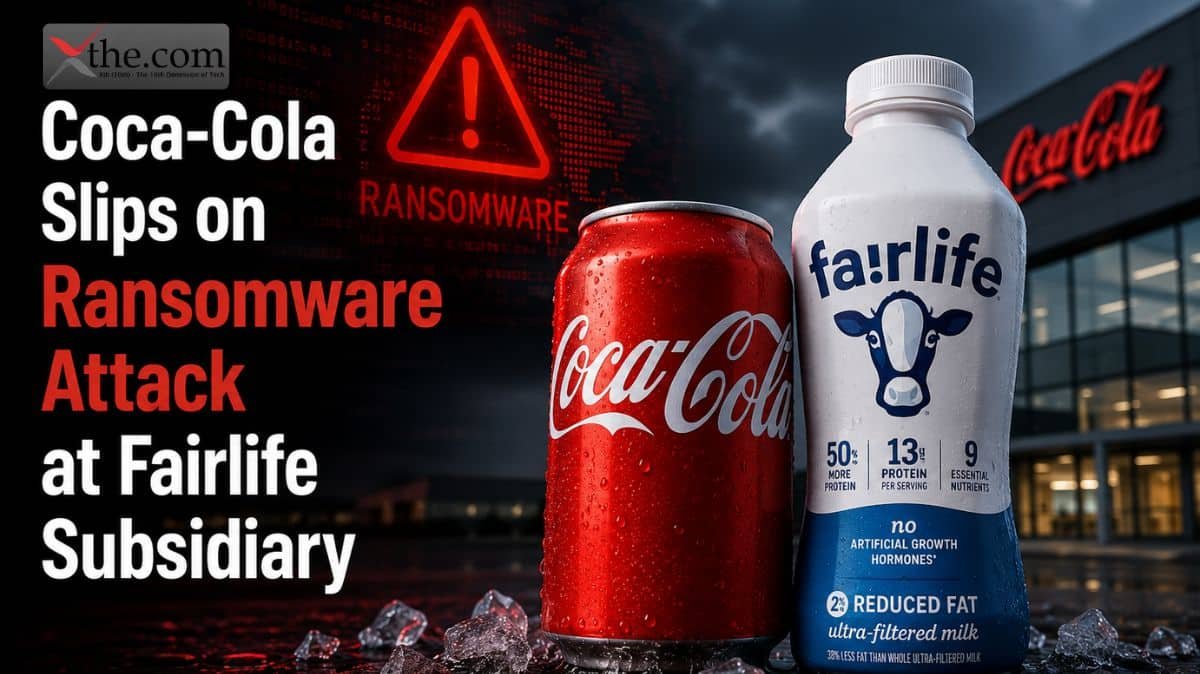
The reported Coca-Cola ransomware attack focused on Fairlife, Coca-Cola’s fast-growing milk brand known for its ultra-filtered dairy products. While the parent company itself was not reported to be the direct victim, the Coca-Cola Fairlife milk hack quickly became a market-moving event because subsidiaries often share technology infrastructure, logistics systems, and sensitive corporate data.
Initial reports indicate the ransomware attack affected parts of Fairlife’s digital systems, prompting swift action by cybersecurity teams. When companies face ransomware attacks, they usually isolate affected systems, shut down parts of their networks, and launch investigations before returning to normal operations.
As of now, Coca-Cola has not reported major disruptions throughout its global beverage business. Still, investors often react before all the facts are known, especially when cyberattacks affect important supply chains.
What Is Known About the Fairlife Cyberattack 2026
The Fairlife cyberattack in 2026 is still being investigated. So far, it appears that cybersecurity teams acted quickly to control the breach and are now checking which systems were affected.
Investigators continue examining several important questions.
First, investigators are figuring out which internal systems were accessed without permission. These could include administrative networks, employee databases, operational software, or business tools that support production and logistics.
Second, they are checking if the attack caused any problems at Fairlife’s manufacturing plants. So far, there is no public confirmation of major production stoppages or big delays in getting Fairlife products to stores.
Third, cybersecurity experts are still investigating whether the attackers obtained sensitive information before the systems were locked down. Many ransomware attacks now involve both stealing data and encrypting it, which puts extra pressure on companies during negotiations.
The answers to these questions will show how serious the financial impact is and whether the company needs to report the incident to regulators.
Coca-Cola Fairlife ransomware attack explained.
For investors pursuing clarity, the Coca-Cola Fairlife ransomware attack explained means separating the cyber incident from wider concerns about Coca-Cola’s global operations.
Fairlife is a fully owned part of Coca-Cola that focuses on premium dairy drinks. Even though it’s just one part of Coca-Cola’s large business, problems at a subsidiary can still affect what investors expect. That’s because these issues create uncertainty about ongoing operations, legal risks, costs to fix problems, and the company’s reputation.
Cybersecurity incidents frequently lead to immediate costs, even before any ransom talks begin. Companies usually hire outside experts for investigations, legal advice, crisis management, and cybersecurity help. They may also spend more on network repairs, customer notifications, regulatory compliance, and system updates.
If customer or employee data is exposed, companies might also face lawsuits, increased regulatory scrutiny, and ongoing monitoring obligations.
Did Attack Disrupt Production or Distribution?
A key question about the Coca-Cola Fairlife milk hack is whether dairy production continued without interruption.
Public information shows there’s no proof that Fairlife’s factories stopped completely or that there were product shortages after the attack. Distribution also seems to have kept running while the investigation continued.
That distinction matters.
Sometimes, ransomware only hits office networks, so factories can keep running because their control systems are separate. Other times, attacks force companies to stop production until their technology is safe to use again.
This difference often determines whether a cyberattack is just a short-term IT cost or becomes a bigger problem that affects company earnings.
What Data Could Have Been Compromised?
Right now, investigators have not said what types of information might have been affected in the Fairlife cyberattack of 2026.
Cybersecurity experts usually consider a few possible scenarios.
Attackers might have accessed business records if they gained access to financial or administrative systems.
Employee information could be at risk if the human resources systems were hit.
Cybercriminals may also target vendor contracts and supply chain documents, since this information can help them plan future attacks or extortion attempts.
Investigators also check if customer data was affected, but so far there’s no public confirmation that any consumer information was compromised in this case.
More and more, companies are dealing with ‘double extortion’ ransomware, where attackers both lock up systems and threaten to release stolen data unless they get paid.
Why Coca-Cola stock slipped Friday, July 2026
Understanding why Coca-Cola stock slipped Friday, July 2026, it’s important to look past just the technical details of the attack.
Financial markets now see cybersecurity incidents as signs of bigger operational risks, not just tech problems. Investors know that ransomware can bring surprise costs, slow down important projects, disrupt business, and create legal trouble.
The drop in KO stock Friday reaction reflected those wider concerns rather than confirmed long-term financial harm.
Even if production remains steady, uncertainty alone can push share prices down until company leaders explain the impact, costs, and any regulatory issues.
Big investors are now looking at how companies handle cybersecurity, right alongside financial results, leadership, and risk management.
Ransomware Becomes an Earnings-Relevant Business Risk
The ransomware consumer brands 2026 are changing investor expectations across many industries.
Retailers, food makers, healthcare groups, logistics companies, and consumer goods brands have all seen more cyberattacks in recent years. Criminals know that companies with nonstop production and wide distribution are under pressure to get back to normal fast.
Consumer brands have special challenges, since brief disruptions might hurt inventory, retail relationships, buyer trust, and quarterly results.
Company leaders now talk more about cybersecurity spending during earnings calls, since investors see digital resilience as a key business skill, not just an IT issue.
The ransomware-consumer-brands 2026 environment suggests companies may continue to increase spending on threat detection, network separation, employee training, backups, and response planning.
What Investors Will Watch Next
Now, the market is watching several new developments after the Coca-Cola ransomware attack.
Investors will keep a close eye on whether Coca-Cola or Fairlife report more operational problems, cleanup costs, insurance payouts, or signs the sensitive data was compromised.
Analysts will also check whether production and distribution continue to run smoothly and whether customer demand remains strong.
Upcoming regulatory filings and company updates may provide more details on the financial impact of the Fairlife cyberattack 2026, especially if investigations uncover broader system exposure or material costs.
For now, the drop in KO stock seems to be mostly about uncertainty, not proven business problems. Still, this situation is a signal for public companies: cybersecurity is now a top financial issue, and digital resilience matters to investors almost as much as revenue. As ransomware attacks continue to hit major consumer brands, investors will likely examine cybersecurity readiness just as closely as they do earnings, supply chains, and growth plans.
Source: Ransomware attack forces Coca-Cola to suspend US production at dairy unit








