






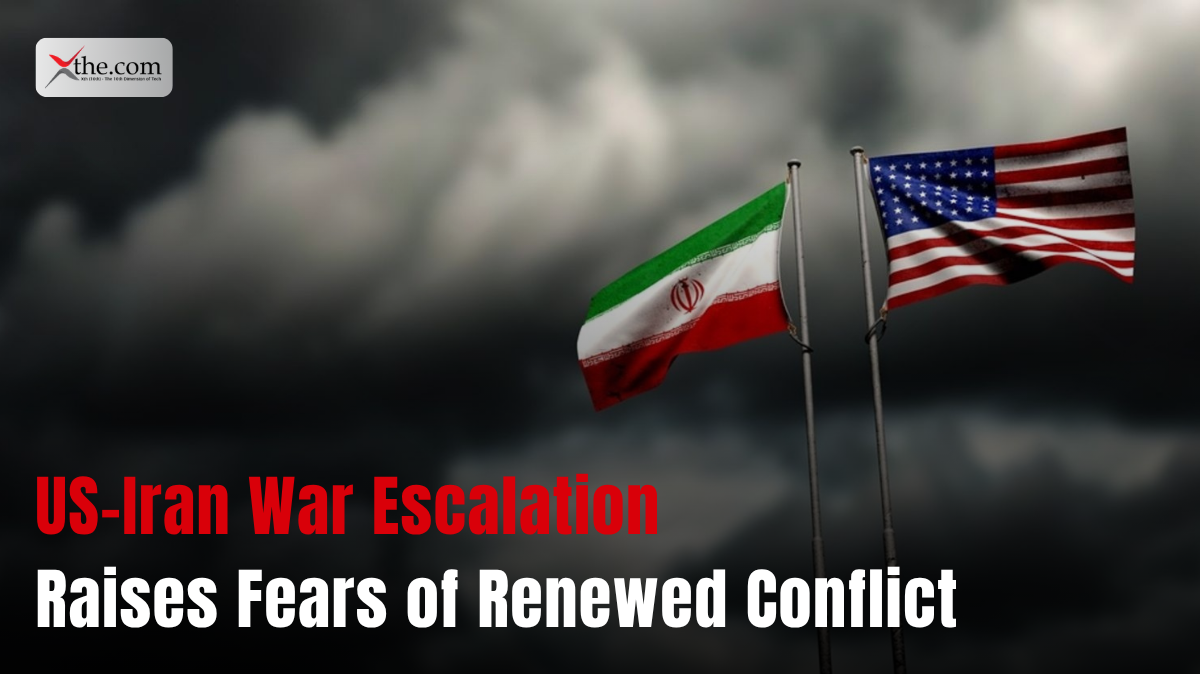
The United States and Iran have exchanged fresh military strikes this week, ending a monthlong lull and raising serious fears of a renewed and expanded conflict across the Middle East. The escalation began on September 1 when US Central Command (CENTCOM) forces launched a wave of airstrikes against Iranian military targets, marking the most significant American military operation against Iran since the conflict began in February 2026.
The strikes targeted air defense systems, radar installations, maritime assets, mine-laying capabilities, and communications sites across multiple Iranian locations. According to CENTCOM, the operation was conducted in response to Iranian provocations and threats against US forces and allies in the region.
What Happened in the Latest Strikes
On September 1, US military forces launched a barrage of airstrikes against Iranian Islamic Revolutionary Guard Corps (IRGC) targets. The operation, described by CENTCOM as successful, struck air defenses, radar systems, and maritime assets that the US said posed an imminent threat to commercial shipping and military personnel in the Strait of Hormuz.
The Iranian response came swiftly. On September 2 and 3, Iranian forces launched missile and drone attacks targeting US bases in Kuwait and the United Arab Emirates. Local officials in Iran reported that at least four civilians were killed when a US attack hit a residential building in Sirik, though the Pentagon maintained that all targets were military in nature.
Iranian attacks also targeted US allies across the broader Gulf region, including Saudi Arabia and Bahrain, in what analysts describe as a significant expansion of the conflict beyond direct US-Iran hostilities.
Background: How the 2026 Iran War Started
The 2026 Iran war began on February 28 when US and Israeli airstrikes killed several Iranian officials, including Supreme Leader Ali Khamenei. The strikes were launched in response to Iran nuclear program advances and threats against Israel and US forces in the region.
Since February, the conflict has fluctuated between intense periods of fighting and temporary ceasefires. A monthlong lull in August raised hopes for diplomatic progress, but the September escalation has shattered those expectations.
International Response
The escalation has drawn sharp reactions from around the world. Russia has condemned the US strikes, while European allies have called for restraint and renewed diplomatic efforts. The United Nations Security Council held an emergency session to discuss the situation.
Israel has warned Iran that any new attack could trigger an unprecedented response, with Defense Minister Israel Katz threatening strikes on additional Iranian targets if Tehran continues its aggression.
Impact on Global Markets
Oil prices surged more than 8% following the renewed strikes, with Brent crude reaching its highest level since the conflict began. Stock markets in Asia and Europe dropped sharply on concerns about supply disruptions through the Strait of Hormuz, which handles approximately 20 percent of global oil trade.
Economic analysts warn that a prolonged escalation could push oil prices above 120 dollars per barrel, triggering inflation worldwide and potentially pushing the global economy into recession.
What Comes Next
The situation remains highly volatile. US President Donald Trump has vowed to continue striking Iran if Tehran does not comply with US demands. Iran has urged the US to comply with an interim deal that was reached before the latest round of fighting.
Diplomatic sources indicate that backchannel communications between Washington and Tehran are ongoing, but both sides appear to be digging in for a potentially prolonged conflict.
Frequently Asked Questions
Are the US and Iran officially at war?
While there has been no formal declaration of war, the US and Iran have been engaged in active military hostilities since February 2026. The latest strikes mark a significant escalation in the ongoing conflict.
How does this affect oil prices?
Oil prices have surged significantly due to concerns about supply disruptions through the Strait of Hormuz. Analysts warn that prolonged conflict could push prices above 120 dollars per barrel.
Is there a ceasefire being negotiated?
Backchannel communications are ongoing, but both sides appear committed to continued military operations. A formal ceasefire remains distant at this time.
External Sources:
· Reuters: https://www.reuters.com/world/middle-east/us-iran-exchange-attacks-lull-war-appears-over-2026-09-02/
· Al Jazeera: https://www.aljazeera.com/news/liveblog/2026/9/1/iran-war-live-trump-vows-to-hit-iran-following-first-clash-in-a-month
· Brookings: https://www.brookings.edu/collection/blowback-how-the-iran-war-may-change-the-world/