





US Military Destroys Venezuelan Oil Tankers in Escalating Caribbean Standoff
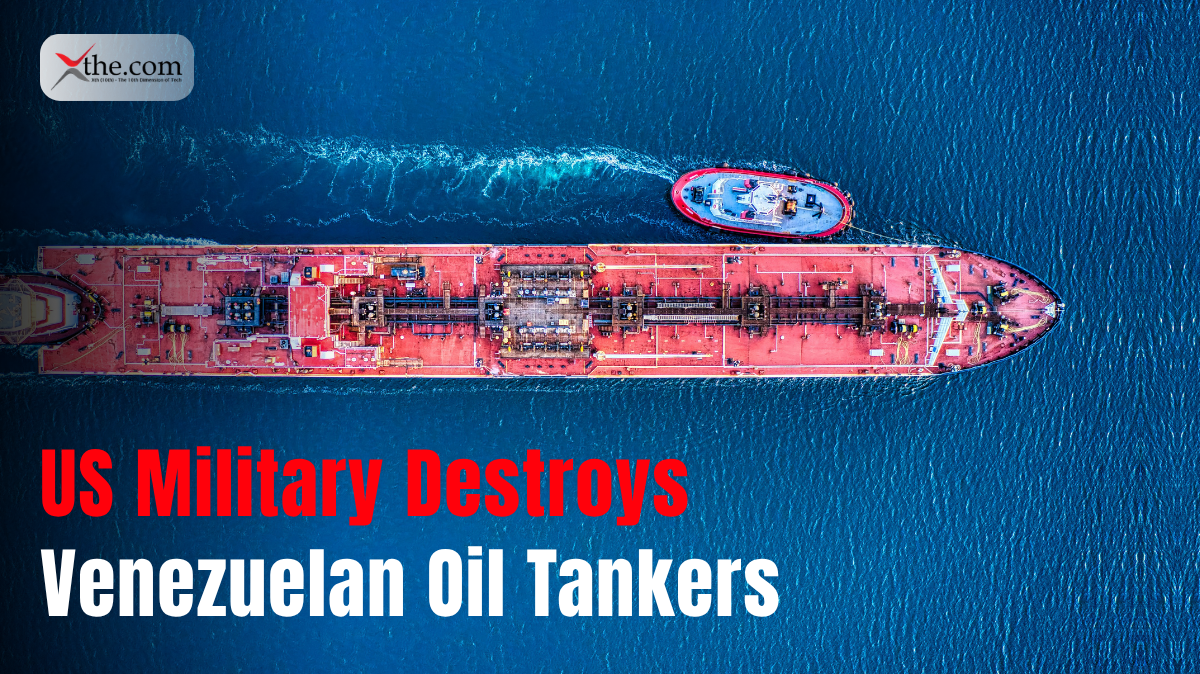
The United States military has destroyed three Venezuelan oil tankers in the Caribbean Sea in what the Pentagon describes as an operation to disrupt illegal oil shipments fueling the Maduro regime. The strikes, carried out by US Navy aircraft and guided-missile destroyers on September 1, 2026, have dramatically escalated tensions between Washington and Caracas and raised the prospect of a wider military confrontation in the Western Hemisphere.
What Happened in the Caribbean
According to the Pentagon, the three tankers were identified as part of a sanctions evasion network that has been transporting Venezuelan crude oil to Cuba, Iran, and China in violation of US and international sanctions. The operation, codenamed Operation Sentinel Shield, involved F/A-18 Super Hornet fighters launching from the USS Dwight D. Eisenhower carrier strike group, which had been deployed to the Caribbean Sea in late August.
The strikes destroyed all three vessels, which had a combined capacity of over two million barrels of crude oil. The Pentagon stated that all crew members were given advance warning to evacuate the vessels before the strikes were carried out, and that no casualties were reported. However, Venezuelan officials disputed this account, claiming that dozens of sailors were killed in the attacks.
Maduro Response
Venezuelan President Nicolas Maduro condemned the strikes as an act of war and announced that Venezuela was placing its military on its highest alert level. In a nationally televised address, Maduro stated that the attacks constitute an act of aggression that violates international law and the sovereignty of the Venezuelan people. He ordered the mobilization of Venezuela military reserves and announced that all oil exports would be rerouted through alternate shipping lanes to avoid US naval interdiction.
Maduro also called on the United Nations Security Council to convene an emergency session to condemn US military action against Venezuela. Russia and China, both of which have significant economic interests in Venezuela, have signaled support for Maduro position and have called on the US to cease military operations in the Caribbean.
Pentagon Justification
Defense Secretary Pete Hegseth defended the operation as a necessary measure to cut off the financial lifeline that sustains the Maduro regime. In a press briefing, Hegseth stated that the Venezuelan oil trade generates an estimated 15 billion dollars annually for the Maduro government, which uses those funds to finance repression, support allied militias, and enrich senior regime officials. He argued that diplomatic and economic sanctions alone have proven insufficient to deter Venezuela oil exports, leaving military interdiction as the last remaining option.
The legal basis for the operation rests on a combination of executive authority and a 2024 congressional authorization that permitted the use of force against Venezuelan sanctioned oil trafficking networks. The Biden administration had declined to use this authorization, but the current administration interpreted it as granting broad authority to use military force to enforce sanctions.
Regional Reactions
The strikes have drawn sharp criticism from governments throughout Latin America. Brazil, Argentina, Colombia, and Mexico have all issued statements condemning the use of military force and calling for a return to diplomatic solutions. The Organization of American States held an emergency session in which thirteen member states voted to condemn the operation, though the United States and six allies voted against the resolution.
Cuba, which receives heavily subsidized Venezuelan oil, declared a state of emergency and accused the United States of waging economic warfare against the island nation. Cuban officials stated that the destruction of Venezuelan tankers could result in severe fuel shortages that would affect power generation, transportation, and hospital operations.
Impact on Global Oil Markets
The strikes have sent shockwaves through global energy markets. Brent crude prices surged eight percent in the hours following the announcement, briefly touching 112 dollars per barrel before settling at 108 dollars. Analysts warn that prolonged military operations in the Caribbean could disrupt shipping lanes that handle a significant portion of global oil traffic, potentially pushing prices even higher.
The disruption is particularly concerning for European and Asian markets that rely on Caribbean shipping routes. The International Energy Agency issued a statement expressing concern about the potential for supply disruptions and called on all parties to exercise restraint to avoid further escalation.
Domestic Political Implications
The operation has divided opinion in Washington. Supporters in Congress have praised the administration for taking decisive action against the Maduro regime, arguing that years of diplomatic engagement and economic sanctions have failed to produce meaningful change in Venezuela. Opponents have criticized the operation as an unnecessary escalation that risks drawing the US into a broader conflict without congressional authorization.
Senate Armed Services Committee Chair Jack Reed called the operation a serious mistake that bypassed congressional oversight and set a dangerous precedent for the use of military force to enforce economic sanctions. House Speaker Mike Johnson defended the operation, stating that the administration acted within its legal authority and that cutting off the Maduro regime oil revenue is essential to promoting democracy in Venezuela.
What Happens Next
The Pentagon has indicated that additional naval assets are being deployed to the Caribbean to continue the interdiction operation. The Navy has established a maritime exclusion zone around Venezuelan oil export ports, and has warned that any vessels found transporting Venezuelan oil in violation of sanctions will be subject to interdiction or destruction.
The situation remains highly fluid, with diplomatic efforts underway at the UN and through regional channels to de-escalate tensions. However, both sides appear entrenched in their positions, raising the prospect of a prolonged military standoff in the Caribbean.
**External Sources:**
· [Reuters – Venezuela Tanker Strikes](https://www.reuters.com)
· [CNN – Caribbean Military Operation](https://www.cnn.com)
· [AP News – Pentagon Venezuela](https://apnews.com)
· [BBC – Venezuela Oil Crisis](https://www.bbc.com)
· [Al Jazeera – Latin America Reaction](https://www.aljazeera.com)
Energy industry analysts warn that the destruction of the tankers could have long-lasting effects on Caribbean shipping routes and global energy supply chains. The International Maritime Organization has called for an emergency session to address the safety of commercial shipping in the Caribbean basin, and several major shipping companies have announced they are rerouting vessels to avoid the area. The full economic impact of the military operation is still being assessed, but early estimates suggest it could cost billions of dollars in disrupted trade and increased insurance premiums.