



Chicago-Area Naturalizations Plunge More Than 80% as USCIS Citizenship Backlog Grows
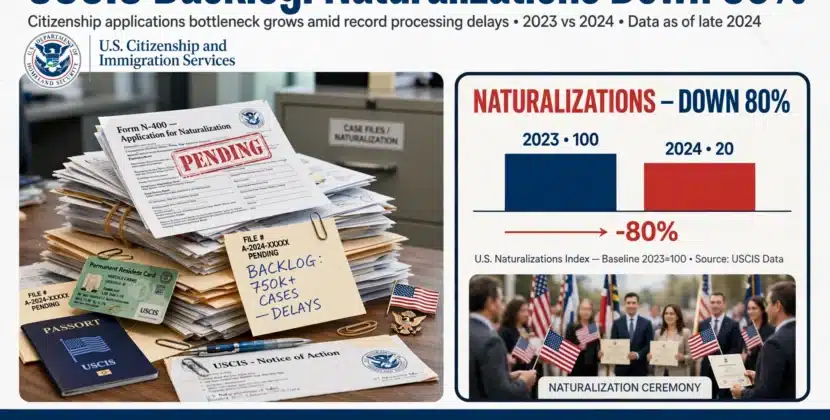
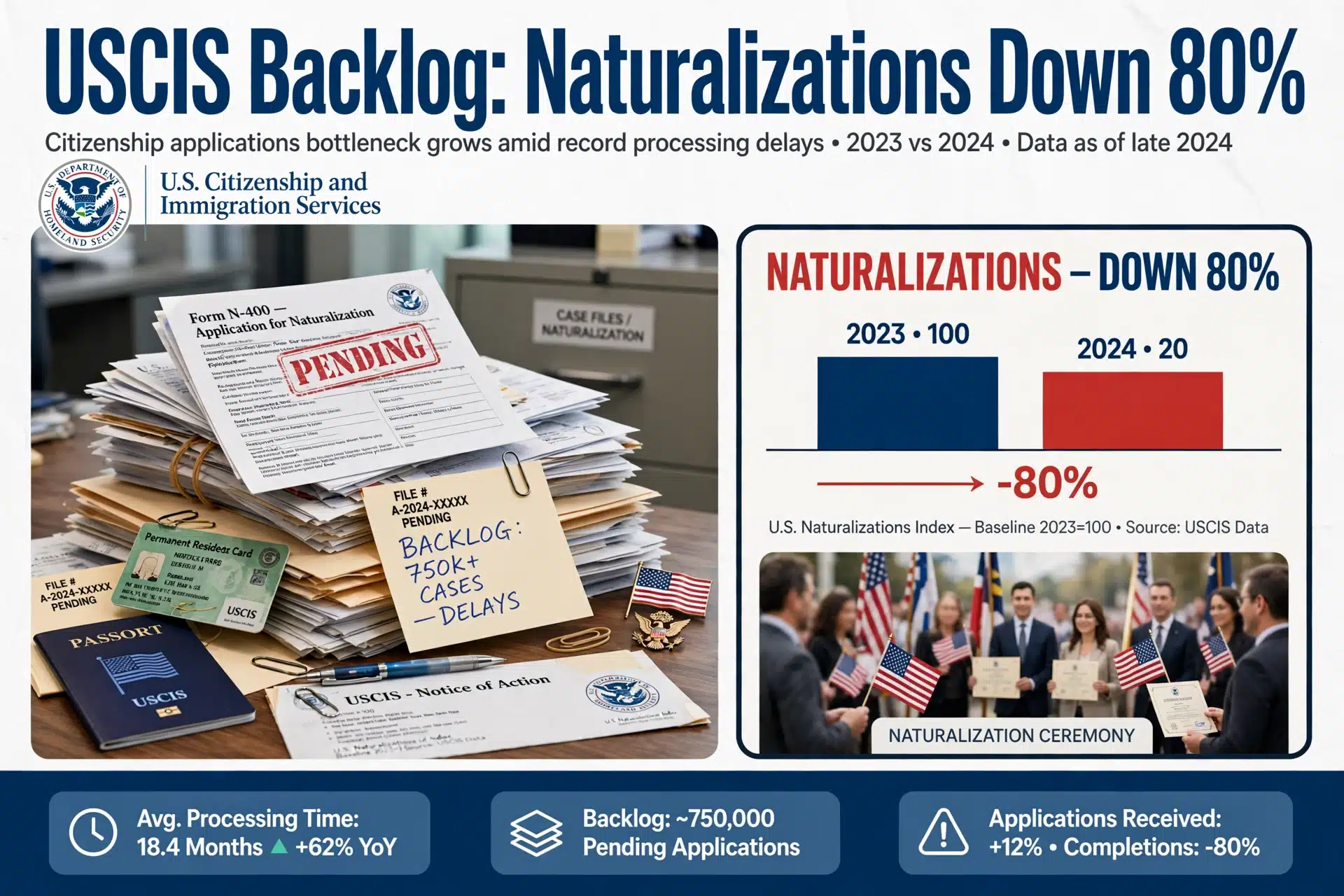
New citizens taking the oath in the Chicago area have dropped by more than 80 percent in 2026, according to federal data analyzed by the ABC7 I-Team, a collapse that immigration attorneys and advocates say reflects deliberate barriers to citizenship rather than a shortage of applicants. Nationwide, the agency that processes naturalization applications, USCIS, received 48 percent fewer forms in July 2026 than a year earlier.
The numbers matter well beyond Illinois. Naturalization is the final step of the immigration system, the moment when permanent residents become voters, juries and full participants in civic life, and its timing collides directly with the November midterm elections. Here is what the data shows, what is driving the decline and what it means for the more than nine million permanent residents eligible to apply.
What the Data Shows
Chicago-area naturalizations have fallen more than 80 percent since January 2026, federal figures analyzed by ABC7 show, with similar declines documented in other major metros. The Independent reported the drop followed Chicago becoming ground zero for ICE enforcement operations, linking the timing to the broader climate around immigration in the city. Advocates say the same pattern appears wherever enforcement visibility is highest.
The applications themselves are also slowing. USCIS received 48 percent fewer forms in July 2026 compared with the prior year, according to American Immigration Council analysis of agency data, and processing trends show approvals stretching further out. For families who filed months ago, that means ceremony dates keep moving, background checks linger and the gap between eligibility and citizenship widens into years rather than months.
What Is Driving the Slowdown
Several factors overlap. First, policy changes have raised the height of the bar: a revised civics test, expanded evidence requirements and stricter adjudication standards each add review time and rejection risk. Proposed fee increases for citizenship applications add a financial hurdle, particularly for low-income applicants who previously qualified for waivers. Denial rates have edged upward, which in turn generates more resubmissions and appeals that consume the same processing capacity.
Second, enforcement is chilling demand. Immigration attorneys describe clients, including long-term residents with clean records, who hesitate to attend interviews, travel for ceremonies or submit fingerprints when federal agents are visible in their neighborhoods. Withdrawals and abandoned applications have risen alongside that hesitation. The combination, experts say, is a supply-side squeeze, fewer applications entering the system while those already in it move more slowly.
The Midterm Election Dimension
The calendar raises the stakes. Federal law requires new citizens to be registered voters for a set period before a general election, so anyone naturalized after the registration deadline cannot vote in November. With processing times stretching, a large cohort of eligible residents is at risk of missing the midterm window entirely, a fact that has driven letters from members of Congress to USCIS requesting data on ceremony scheduling.
Officials insist scheduling is driven by resource constraints rather than politics, and agency representatives have blamed funding shortfalls and staffing gaps for years of backlog. Critics counter that the same agency rapidly processes other petition categories when administration priorities shift, which suggests discretion rather than pure capacity. Either way, the practical effect on the electorate is measurable: fewer new voters in the largest metropolitan areas of key states.
How Long Is the Wait Now
Applicants across much of the country are seeing naturalization timelines stretch well beyond the historical average of roughly 10 to 14 months, with some field offices reporting significantly longer waits for both the interview and the oath ceremony. Because ceremonies are scheduled separately from application approval, a file can be approved and still sit idle for weeks waiting for an available court or field office slot.
That two-step delay is where many applicants say the system breaks down. Certified mail brings an interview notice with only a few weeks of lead time, rescheduling can reset months of progress, and applicants who have already paid fees, surrendered biometrics and suspended international travel plans are left without a firm date. Attorneys recommend filing early, keeping addresses updated with USCIS and retaining copies of every receipt notice.
What Applicants Can Do
For permanent residents considering applying now, the standard advice still holds: file early, because every stage takes longer than posted estimates suggest. Review the current civics test requirements before the interview, gather employment and travel records up front, and check for fee waiver eligibility if cost is a barrier. Applicants with prior arrests or prolonged absences from the US should consult an attorney before filing, since stricter review standards have made old issues newly relevant.
Those already in process should monitor their USCIS online account, respond to requests for evidence immediately and, if a ceremony has been indefinitely postponed, ask their congressional representative to make an inquiry on their behalf. Congressional offices can force a status review without guaranteeing a date, and in backlog situations that pressure has moved files before.
What Comes Next
The agency faces two pressures heading into 2027: a stacked backlog that grows when input falls only because approvals also fell, and political scrutiny over whether processing speed is being used as policy by other means. Watch the next quarterly USCIS data release, any congressional hearing on naturalization timelines and whether fee changes are finalized before the election.
For the families affected, the stakes are personal rather than statistical. Citizenship represents the conclusion of years of residency, taxes and waiting, and for many it determines whether they can participate in the democracy they have joined. With naturalizations down more than 80 percent in Chicago and filings down 48 percent nationally, that conclusion is being delayed for hundreds of thousands of people whose eligibility is not in question.
Frequently Asked Questions
Why have naturalizations dropped more than 80% in Chicago?
Federal data shows the decline followed heightened ICE enforcement in the city, combined with stricter review standards, a revised civics test and proposed citizenship fee increases.
How long does USCIS citizenship processing take in 2026?
Many applicants wait well beyond the historical 10 to 14 months, with oath ceremonies often scheduled weeks or months after approval, extending total timelines significantly.
Can new citizens vote in the November 2026 election?
Only if they naturalize and register before their state’s voter registration deadline. Applicants stuck in processing after that date cannot vote in the midterms.
What should I do if my ceremony keeps getting delayed?
Keep your address current, respond to USCIS notices immediately and ask your congressional representative to inquire about your case status and ceremony scheduling.