




Iran Wants the US Back at the Ceasefire Table Before the Midterms, Pezeshkian Says
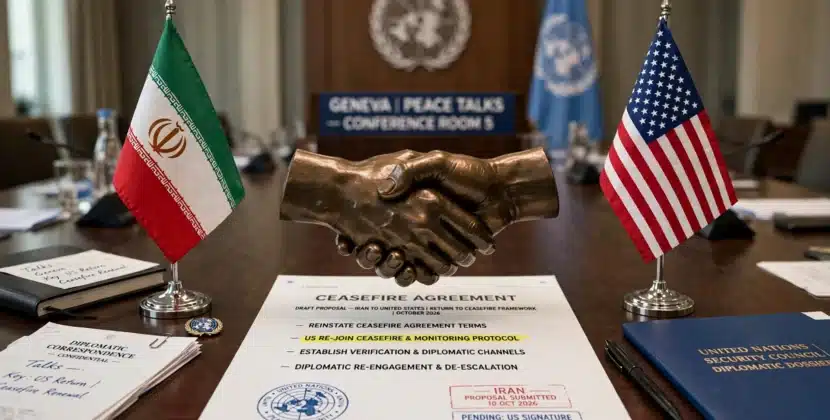
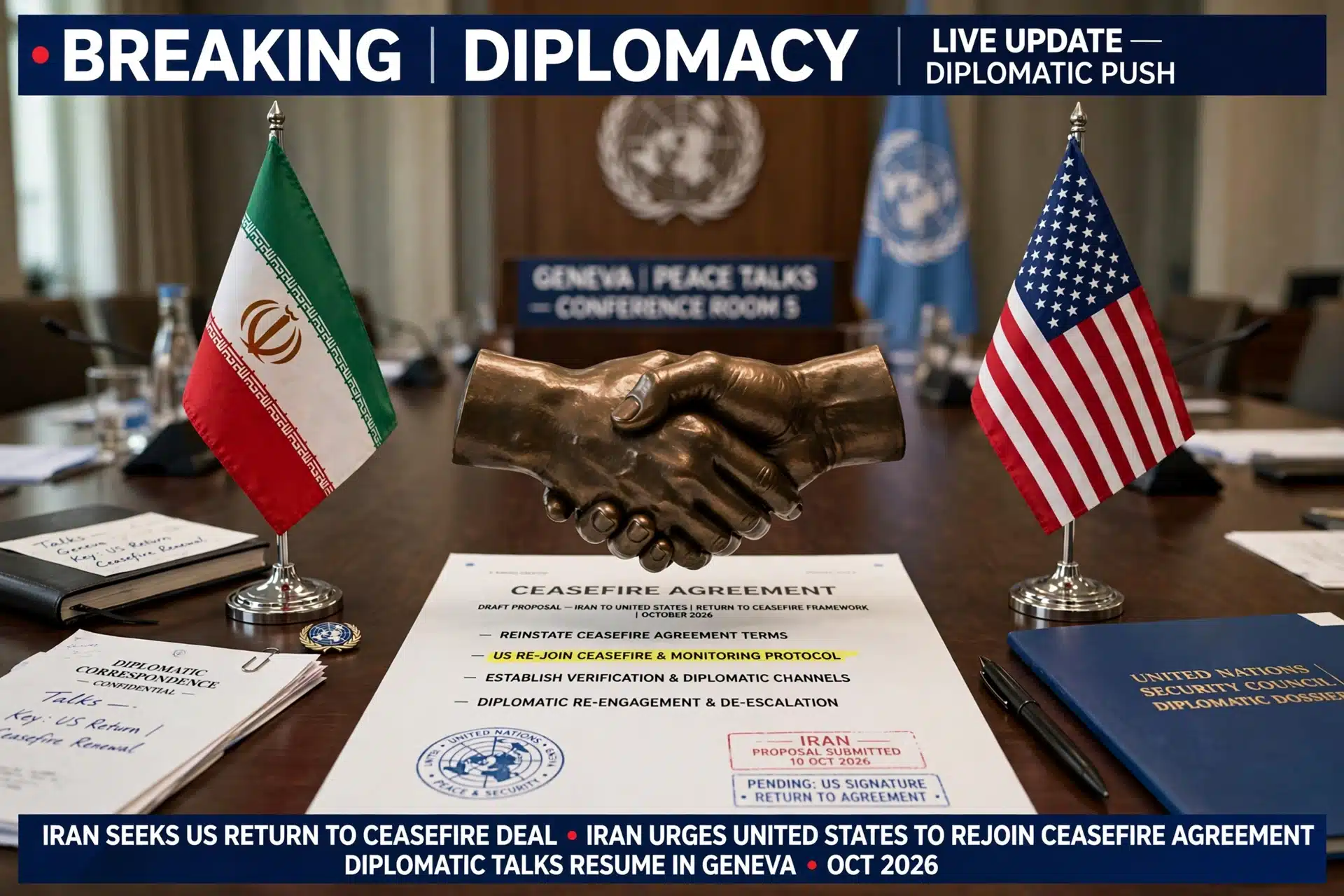
Iran is publicly pressing the United States to re-enter the memorandum of understanding that ended the worst fighting of the two countries’ conflict, with President Masoud Pezeshkian saying Tehran wants Washington back at the table before the November midterm elections. We wish Americans to return to the MoU before the midterms, Pezeshkian said, using the shorthand Iranians and American officials have adopted for the June agreement that froze hostilities.
The timing is not accidental. Iranian leaders calculate that a US administration facing an election has both the motive and the authority to finalize a durable arrangement, and that the window closes once campaigning dominates Washington. For American officials, the overture complicates a political environment in which appearing soft on Iran carries its own cost. Here is where the ceasefire stands, what the two sides want and why the calendar suddenly matters to both.
Where the Ceasefire Stands Today
The framework has three layers. An April ceasefire halted the exchange of strikes. A June 2026 memorandum of understanding then set terms for ending the conflict more permanently, including provisions for reopening the Strait of Hormuz and beginning broader negotiations. What has never been completed is the full, signed implementation both sides envisioned, which is why each government describes the same document differently.
In practice, the truce has held unevenly. Shipping traffic through Hormuz has resumed under agreed procedures, but each side has accused the other of violations, and military forces remain positioned for rapid action. Congressional researchers who have tracked the conflict note that the MoU exists in a gray zone, more durable than a verbal pause, less durable than a ratified treaty, which gives both capitals room to escalate or de-escalate depending on events.
What Iran Wants From Washington
Tehran’s ask is specific and limited: return to the MoU as written, resume the negotiating track that produced it and do so before the US electoral calendar makes agreement harder. Pezeshkian’s framing matters because he is signaling that Iran is not demanding a final peace treaty now, it wants the ceasefire architecture restored and talks restarted. That distinction, analysts say, is designed to appeal to American officials who want a quick, visible de-escalation.
Iran also wants economic relief tied to compliance. Sanctions continue to constrain oil exports and access to the global financial system, and Iranian negotiators have consistently linked ceasefire fidelity to tangible rewards. Hardliners within Iran’s political system argue that returning to talks without extracts is pointless, which is one reason the government pairs public openness to diplomacy with firm language about never surrendering its rights.
Why the Midterm Timing Matters
Both capitals are reading the same calendar. From Tehran’s perspective, an administration that has already engaged in ceasefire diplomacy can move faster in the months before an election than in the gridlock that follows a divided result. From Washington’s perspective, that logic cuts both ways: opponents will frame any concession made under electoral pressure as weakness, which raises the price of agreement rather than lowering it.
The midterm factor also shapes what a deal can include. Anything resembling a comprehensive agreement would face a difficult ratification path regardless of election outcomes, which pushes negotiators toward executive-level arrangements of the kind the MoU already represents. Specialists in US-Iran diplomacy note that the most durable outcomes have historically come from incremental, verifiable steps rather than grand bargains struck under a deadline.
The Obstacles That Remain
Several issues have blocked closure so far. Enforcement verification: each side wants the other to move first and to prove compliance. Regional proxies: conflicts involving aligned groups complicate any claim that the principal parties control their partners. Domestic politics on both ends, with Iranian hardliners and American hawks treating concessions as betrayal. And the fundamental trust deficit built up over months of strikes, sanctions and rhetorical escalation.
There is also the question of what happens if talks do not resume. Military planners on both sides have not stood down, and incidents at sea or in the Gulf remain capable of shattering the truce overnight. That risk is itself an argument both governments use: Tehran and Washington each claim to be the party keeping the peace, which gives them a shared interest in finding a formula that lets each declare victory at home.
What to Watch in the Coming Weeks
The indicators that matter are concrete: whether US and Iranian officials schedule a direct negotiating session, whether Hormuz shipping incidents decline, whether either side announces new sanctions or military deployments, and whether third-party mediators report movement on verification terms. A Pezeshkian-Trump exchange, even through intermediaries, would be the clearest signal that the pre-midterm window is being used.
For now, the headline is the ask itself. Iran says it wants the United States back in the agreement that stopped the fighting, and it wants that before American voters go to the polls. Whether Washington agrees, counters with conditions or stays silent will determine if the ceasefire of the past few months matures into something more lasting or becomes another round of suspended diplomacy.
Frequently Asked Questions
What is the US-Iran memorandum of understanding?
The June 2026 MoU set terms for ending the conflict that began under an April ceasefire, including reopening the Strait of Hormuz and starting broader negotiations. Implementation has never been fully completed.
Why does Iran want the US to return before the midterms?
Tehran calculates that Washington can finalize an arrangement more easily before the November elections, when political incentives favor visible de-escalation and the window for action narrows afterward.
Is Pezeshkian open to direct talks?
Yes. Pezeshkian has repeatedly said Iran is open to diplomacy and ready to return to the June ceasefire if the United States does the same, while rejecting any deal that infringes on Iran’s rights.
What could still derail the ceasefire?
Disputes over verification, proxy conflicts, new sanctions or military deployments, and unplanned incidents at sea or in the Gulf all remain capable of collapsing the fragile truce.