





Cupertino, California.
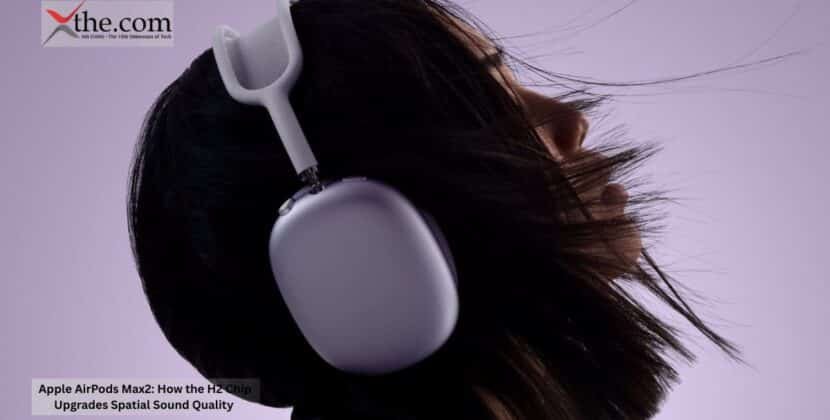
A busy subway platform demonstrates the limits of even top‑tier headphones. Noise cancellation helped with the chaos, but voices still slipped in. Spatial audio is lost when you turn your head too fast. Heavy processing also caused delays between movement and sound. Apple thinks the solution is better silicon, not bigger speakers or fancy materials. With the AirPods Max 2, luxury audio is taking a new direction.
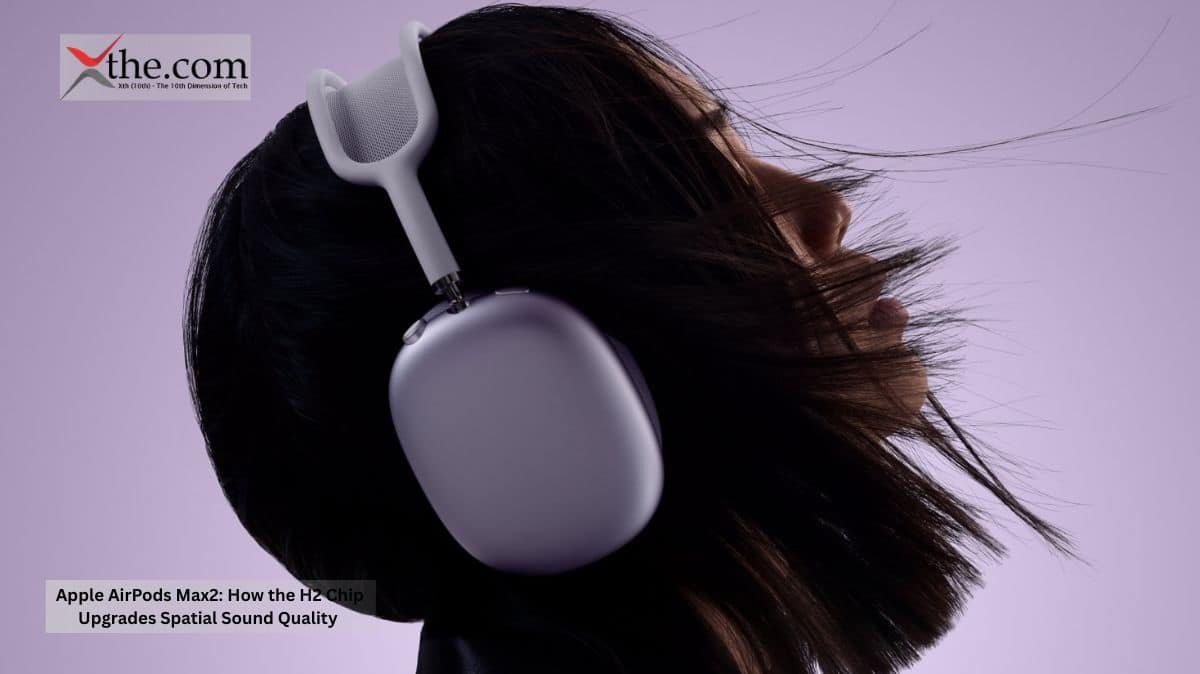
The main upgrade is the H2 chip Apple’s second‑generation custom audio chip for wearables rather than fusing, focusing on speaker design. Apple uses real‑time audio processing to shape what you hear. This shift affects everything from noise reduction to voice tracking and even language translation.
Why The AirPods Max 2 Matter To Premium Audio Buyers?
People spending over $500 on premium headphones want more than just shiny ear cups and good bass. They look for real benefits in daily life. Travelers want fewer distractions on long flights. Commuters need microphones that pick up their voice in busy cafes. Remote workers want clear calls without having to wear a bulky headset.
Apple built the AirPods Max 2 to solve these everyday problems.
The new H2 chip audio engine processes sound from your environment much faster than the first AirPods Max. This extra power enables features such as adaptive audio, better spatial sound, and quicker transparency adjustments.
Take a commuter walking through Manhattan traffic. For example, older headphones often struggled when the environment changed quickly. Sirens, train brakes, and conversations suddenly made the headphones switch modes. Apple’s new system continuously monitors the sounds around you and adjusts them on the fly rather than using fixed settings.
How H2 Chip Audio Improves Spatial Listening
Spatial audio used to feel like a fun extra, mostly for movie demos. Now, with the AirPods next to it, it’s much closer to real surround sound.
The improved chip tracks head movement more quickly and accurately. This is important because people notice even small differences between movement and sound direction. If the audio falls behind your movement even by a tiny bit, it ruins the experience.
Apple seems to have significantly reduced that delay by integrating the sensors and H2 chip audio processor more closely. This means sound stays in place better when you move quickly, which is great for action videos or games with spatial audio.
You will see this improvement most during busy city travels. When you turn your head to hear a station announcement, the sound stays in place instead of drifting. This kind of consistency is what sets computational audio apart from traditional tuning.
Adaptive Audio and the Rise of Intelligent Listening
The most impressive thing about the AirPods Max2 might not be the sound quality; it might be how aware they are of your surroundings.
Adaptive audio automatically mixes transparency and noise cancellation based on what’s happening around you, unlike older headphones that required you to switch modes yourself. This new version adjusts automatically as your environment changes.
Imagine a passenger in an airport lounge. If the background noise remains constant, the headphones block it as much as possible, but if someone nearby speaks, the headphones lower the music and focus on the conversation.
This feature depends on machine learning built into the H2 chip audio. Apple has basically turned the headphones into a smart device that reacts to your environment in real time, not just a regular pair.
Voice Isolation Changes Mobile Communication
Microphone quality often decides if expensive headphones still feel worth it after a week. People are quicker to forgive weak ways than they are to accept muffed calls.
The voice isolation feature in the AirPods Max 2 addresses this problem. Apple’s new microphones are set to separate your voice from the background noise much better than before.
Imagine a business traveler taking a client call at Chicago O’Hare during peak travel hours. Regular noise-canceling headphones block noise for you, but the person on the other end still hears the background. Apple’s new filtering listens to speech in real time, finds the main speaker, and blocks out other sounds before sending your voice.
This feature makes the headphones useful for work, not just for listening to music or watching movies.
The Push Toward Live Translation Wearables
The boldest new feature with the AirPods Max 2 is instant language processing. Apple appears to be working toward live translation wearables powered by on-device AI.
Real-time translation through headphones used to seem experimental. The faster H2 chip audio now makes it more practical. Quicker processing means less delay, so live translations sound more natural.
For example, a tourist in Tokyo could hear translated restaurant instructions just seconds after someone speaks. This kind of technology shows Apple wants to do more than just play music.
Engineering Specs That Shift The Competitive Landscape
Search demand for Apple AirPods Max 2 with the H2 chip and active noise cancellation specs indicates rising consumer interest in computational audio benchmarks rather than traditional hardware specifications alone.
Competitors such as Sony and Bose still produce excellent acoustic hardware, but Apple’s approach reframes the category. The future of premium headphones may depend less on driver size and more on processor efficiency, sensor fusion, and machine learning responsiveness.
This shift goes beyond just headphones. Audio enabled by advanced ships could soon be common in smart glasses, AR devices, and language translation tools.
Apple’s newest over-ear headphones show that the next big step in sound quality won’t come from bigger speakers or rare materials. Instead, it will come from faster chips that understand your environment as you listen.
Source: Apple Newsroom