





Cupertino, California
For a long time, Wall Street saw Apple as a company focused more on running things efficiently than on launching groundbreaking hardware. Investors liked how well Apple managed its supply chain. Consumers noticed they didn’t need to upgrade their devices as often. Some critics said Apple was playing it safely.
Now Apple is making its biggest leadership change since Steve Jobs passed the role to Tim Cook.
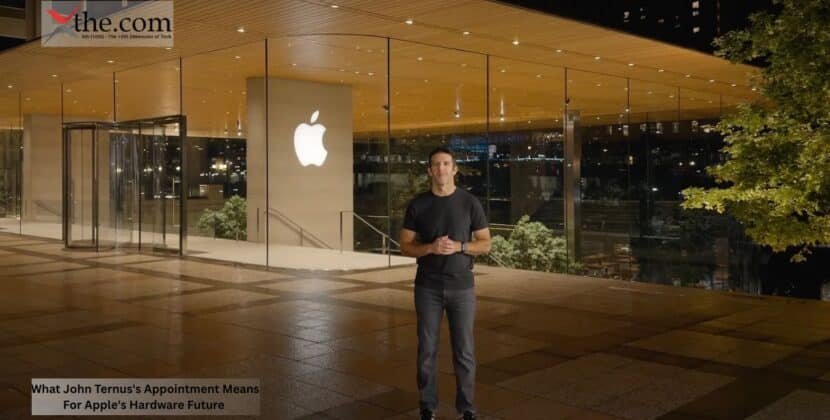
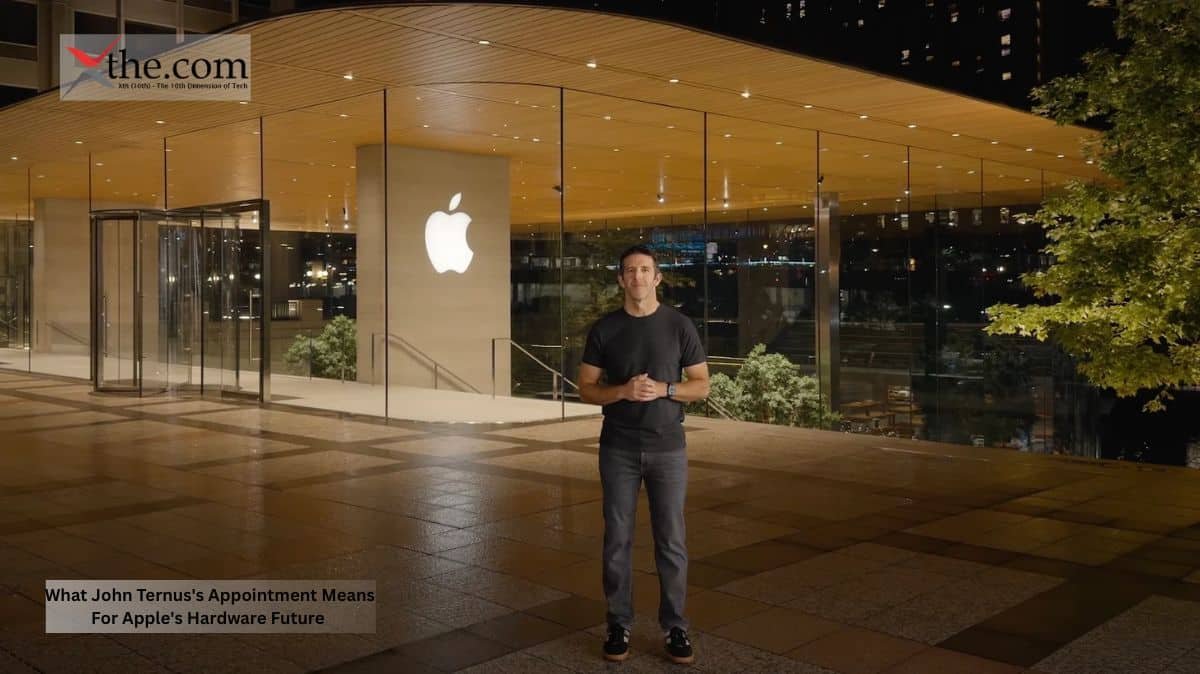
The appointment of John Ternus as CEO, alongside the broader Apple executive transition, places a longtime hardware engineering veteran at the center of the world’s top consumer tech company. Apple has confirmed that Tim Cook will become executive chairman, with Ternus stepping in as CEO in September 2026. (Apple)
This change is as symbolic as it is practical for Apple.
Why the Apple Executive Transition Signals a Major Change
During Tim Cook’s time as CEO, Apple became a master of running large operations. The company’s revenue grew significantly, services became a major source of profit, and Apple strengthened its global supply chain even during tough times, such as chip shortages and worldwide tensions.
However, some people criticized Cook’s leadership for focusing on improving existing products rather than creating entirely new ones.
That perception may change under John Ternus’s leadership as CEO.
Unlike Cook, who focused on operations and logistics, Turnus made his name in hardware engineering. He has spent decades working on Apple’s product designs and engineering teams, leading projects for the iPhone, Mac, iPad, AirPods, and Apple Silicon.
This distinction shapes how investors interpret the Apple executive transition.
A CEO with a hardware background usually focuses on making products stand out, strong design, and innovation led by engineering. This doesn’t mean Apple will launch brand-new devices right away, but it could mean the company is more open to taking on big hardware projects that require significant time and money.
How John Ternus, CEO, Could Revamp Product Development
Apple’s upcoming products already point in this direction.
Ternus was a key player in Apple’s move to design its own chips, one of the company’s biggest technical decisions in recent years. This change made Macs more efficient and powerful, and it gave Apple more control over how its hardware works together.
That philosophy aligns naturally with a more profound long-term tech hardware strategy.
Looking at where Apple is now, smartphones are mature products and aren’t changing as quickly each year. Over the next decade, Apple’s growth will likely come from areas such as spatial computing, wearable health devices, AI gadgets, and lightweight augmented reality.
A hardware engineer might see these opportunities differently from someone focused on operations.
Take Apple Vision Pro, for example. It’s still a new and developing product category. With a careful financial approach, Apple might invest slowly and wait for signs that more people want it. But with a leader focused on products and engineering, Apple could speed up work on lighter headsets, better batteries, or new ways to interact with the device.
The same thinking goes for foldable devices, cutting-edge biometric tech, and hardware with built-in AI.
This possibility explains the growing interest in long-tail, Apple’s leadership transition, and Johns Ternus’s product design impact. Investors and consumers want to understand whether Apple’s next decade will focus on operational refinement or more aggressive hardware reinvention.
The Continuing Influence of Tim Cook Board Chair Oversight
Even with the new leadership, Cook’s influence at Apple isn’t going away.
The new Tim Cook board chair role ensures continuity during one of the most sensitive succession periods in corporate America. Cook will remain involved in policy engagement and strategic supervision, while Ternus manages operations.
This setup helps lower the risk of disruptions for investors.
Apple’s board wants to keep things stable while bringing in new leadership. The company still makes a lot of money from its current products, such as the iPhone, services, and other offerings. Sudden major changes might leave everyone uncertain.
Instead, Apple seems to be using a mix of old and new leadership. Cook keeps things steady while Ternus slowly starts to guide the next phase of product development.
This arrangement also reflects changing standards in modern corporate leadership succession planning at large technology firms, increasingly separating operational transition from long‑term strategic continuity to reassure shareholders during management changes.
Why The Transition Matters Beyond Apple
Apple’s impact goes way beyond just its own customers.
Apple affects everything from supply chains and developer choices to manufacturing, retail trends, and what people expect from high-end electronics. When Apple changes its product lifecycle, the entire tech industry feels it.
If Ternus leaves Apple to experiment more quickly or to try brand-new hardware, competitors will react quickly. Chip makers, screen suppliers, and software companies might change their plans to keep up.
Even small changes in Apple’s leadership style can shift billions of dollars across the tech industry.
A Hardware Engineer Takes The Wheel
The most important takeaway from the Apple executive transition may not involve any single upcoming product; it’s really about what the company chooses to focus on.
For over 10 years, Apple was led by someone known for running things precisely and building a huge ecosystem. Now, the company is choosing a leader whose background is all about engineering and hardware.
This doesn’t mean Apple will stop being disciplined or profitable, but it could mean the company will focus more on creating new types of devices instead of just improving the ones it already has.
The next wave of Apple products will show whether John Turnus’ time as CEO is seen as an extension of Cook’s focus on operations or the start of a more experimental era in hardware.
No matter what happens, the entire tech industry will be watching Apple closely.
Source: Apple Newsroom