





Kent, Washington | July 5, 2026
Twenty-five years. That is how long Jeff Bezos ran Blue Origin as a one-man bank, writing checks from his own Amazon fortune while never once inviting a stranger to the table. That era ended this month. Jeff Bezos’s Blue Origin funding has always meant one thing: Bezos’s own capital, deployed on his own timeline, answerable to no board and no outside shareholder. Now, following a rocket explosion that has disturbed the company’s engineering teams and its balance sheet alike, Bezos is doing something he has never done before. He is opening Blue Origin’s cap table to Blue Origin investors in 2026, a decision that marks the most consequential structural shift in the company’s history.
The reason for this change is clear. On May 28, a New Glenn rocket exploded during a test at Cape Canaveral, destroying a rocket worth between $100 million and $150 million and damaging a launch facility that cost about $1 billion to build. Engineers still do not know what caused the accident. The timing was especially bad: just eight days earlier, Bezos told CNBC that Blue Origin finally had “enough visibility into our future and our financial success” to bring outsiders in. Instead of capping a triumphant stretch, the Blue Origin explosion fundraise now looks like damage control dressed up as strategy.
Why Bezos Is Finally Opening the Door
Blue Origin is reportedly burning close to $5 billion a year, a figure analysts expect to climb as reconstruction and re-testing costs pile up. For a private company with a single financial backer, that is an unsustainable trajectory even for a founder with Bezos’s resources. A Blue Origin capital raise does not necessarily signal desperation, but it does signal limits. No single fortune, however large, scales indefinitely against the cost structure of a modern launch and lunar-lander business trying to compete on multiple fronts at once.
The search for Jeff Bezos‘ space company capital was reportedly under discussion well before the explosion. Blue Origin CEO Dave Limp told employees at an all-hands meeting earlier this year that external fundraising might become necessary if the company followed through on plans to sharply increase its launch cadence. Those framing matters. This was not originally conceived as a rescue raise. It was conceived as a growth raise, meant to fund an ambitious ramp-up in-flight frequency across New Glenn, New Shepard, and the company’s lunar lander program. The explosion simply accelerated the timeline and shifted the narrative from “expansion capital” to “recovery capital” almost overnight.
What a Blue Origin Round Will Likely Look Like
People hoping for a retail on-ramp should adjust expectations. Any near-term Blue Origin capital raise will almost certainly be limited to large institutional investors such as sovereign wealth funds, private equity firms, and key strategic partners who can commit for the long term. Regular investors probably will not get direct access soon, though they might be able to invest indirectly through funds or special-purpose vehicles, similar to how it worked with SpaceX before it went public. Some private-market sources have suggested Blue Origin could be valued around $100 billion in its first external round, but no lead investor has been named, and no official offering has been announced.
The Shadow of SpaceX
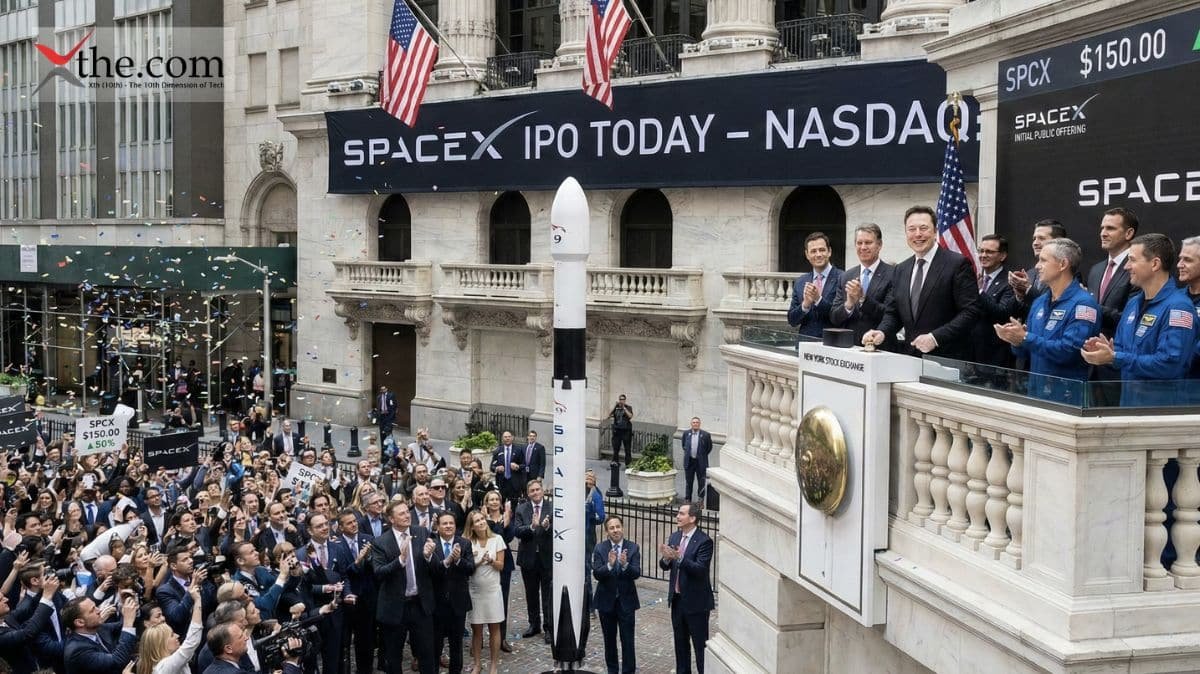
No conversation about Blue Origin’s financing options happens in a vacuum, and the Blue Origin vs SpaceX rivalry has rarely felt this lopsided. On June 12, Space Exploration Innovators completed the largest initial public offering in history, raising approximately $85.7 billion after underwriters exercised their overallotment option. Shares priced at $135 and closed near $161 on day one, pushing the company’s market capitalization past $2 trillion. SpaceX is now set to join the Nasdaq-100 before markets open on July 7, one of the fastest index inclusions on record under rules Nasdaq relaxed earlier this year, an action anticipated to trigger billions in mechanical buying from passive funds that track the benchmark.
The difference between the two companies is clear. SpaceX is now a public company worth over a trillion dollars and has more than $85 billion in cash. Blue Origin, on the other hand, is still private, losing money, and has relied on Jeff Bezos alone until now. Blue Origin has not filed for an IPO, and its leaders have avoided implying that current talks are leading to one. Still, investors will likely compare Blue Origin’s situation to SpaceX’s path, which included large private funding rounds before going public.
What Prospective Investors Should Actually Evaluate
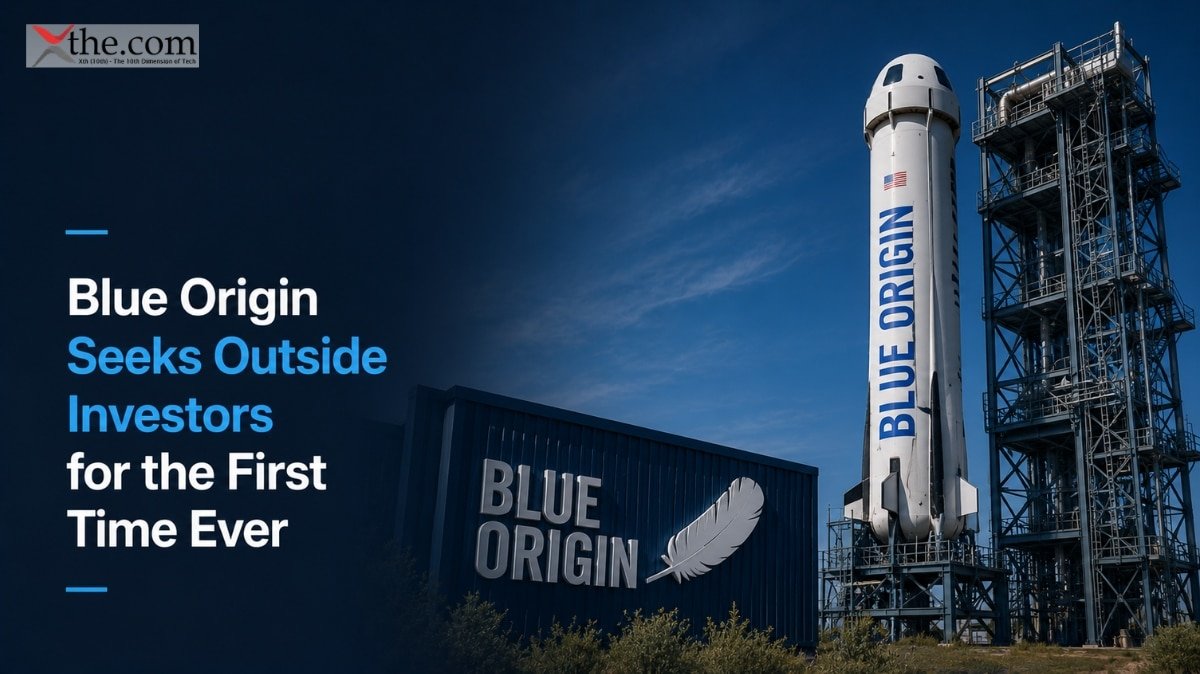
Anyone weighing exposure to a future Blue Origin round needs to look past the headline and toward the hardware and contracts underneath it. The Blue Origin New Glenn rocket remains the centerpiece of the company’s commercial ambitions, a heavy-lift vehicle designed to compete directly with SpaceX’s Falcon and Starship lines for both government and commercial payloads. Its successful flights to date had been building credibility before the May explosion; the setback delayed that momentum but did not necessarily erase it, particularly since the U.S. Space Force has confirmed Blue Origin remains eligible to compete for national-security launch contracts because the failure occurred during a ground test rather than a certification flight.
In addition to its rockets, Blue Origin has a NASA lunar lander contract through the Artemis initiative. This government partnership gives the company a steady source of income and a competitive advantage that a purely commercial launch business would not have. Blue Origin also operates in the satellite and defense markets, where dependability and government trust are just as important as rocket power. Investors should consider the impact of the explosion alongside these strengths: a proven rocket, a major NASA contract, and a founder who is still willing to support the company financially while bringing in outside help.
A New Financial Phase for the Space Race
The era of billionaires funding the space race on their own is coming to an end. For the past twenty-five years, the biggest investments came from people like Bezos at Blue Origin and Musk at SpaceX. Now, SpaceX has entered the public markets on a scale never seen before in aerospace. Blue Origin is starting to move in the same direction, though more cautiously, partly due to recent events. Whether Blue Origin raises money from institutions to help New Glenn recover or eventually goes public, like SpaceX, it is clear that even the wealthiest founders now need outside support.
For those looking for more information: The main questions people are searching for this week are “Jeff Bezos Blue Origin seeks outside investors first time 25 year history July 2026 explained” and “Blue Origin capital raise after rocket explosion what investors need to know July 2026.” Both topics are covered above. The decision to raise money began before the explosion but was accelerated by it, and any new funding will come from institutions rather than the public markets.