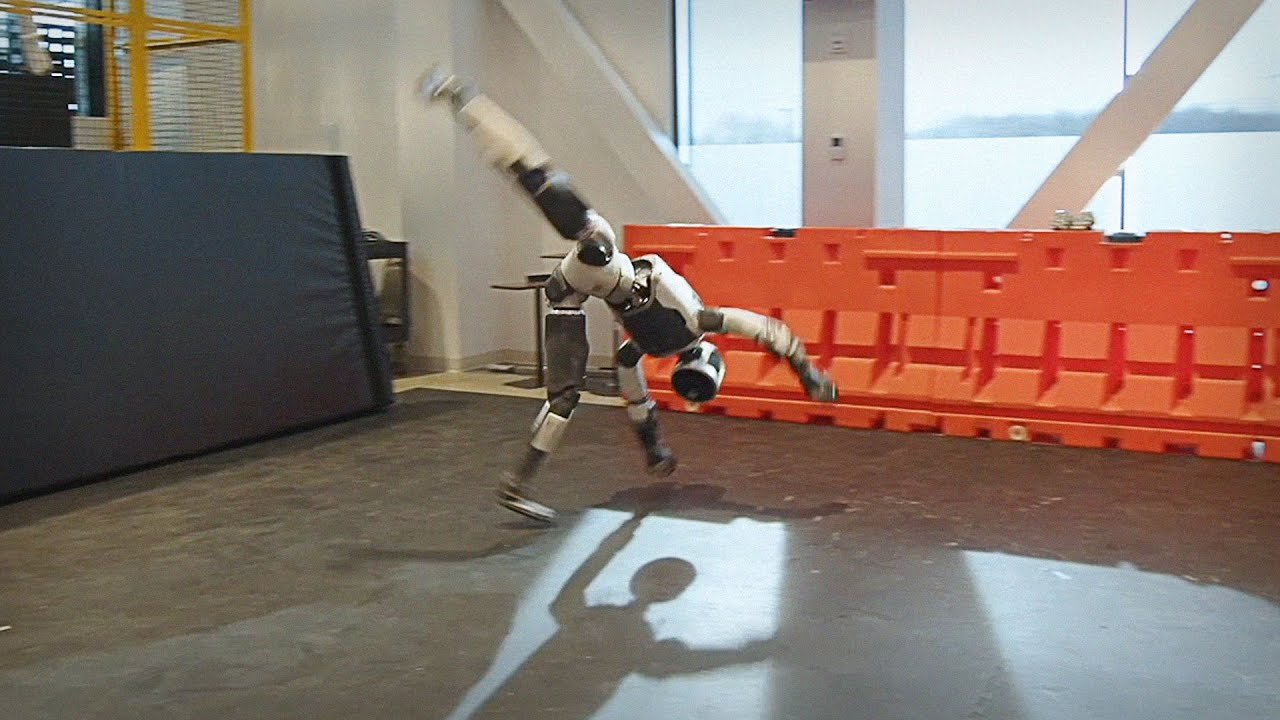
Robotics companies have made a name for themselves on the global stage with their dance performances and robot-run techniques on inaccessible terrain. While these performances blow the spectator (and perhaps the roboticist) away, they have always posed the same question: will the robots consistently do what they were doing, and at this high level of performance, in a real-world setting?
In recent demonstrations of their robots, Boston Dynamics has begun to answer that question with a resounding “Yes”.
Why Consistency Changes Everything
What is really important about these demonstrations is not necessarily the high capabilities of the robotic systems, but rather that they consistently demonstrate consistent performance over time. The new robots are now showing they can complete tasks without failure, maintain stable performance across multiple environments (areas), and perform consistently with a low error rate.
The move toward consistency indicates that a change is happening within the field of robotics from pilot tests (small-scale trials to assess feasibility) to scalable systems that can be implemented by businesses across the globe.
Moving Beyond Controlled Environments
Over the years, the world of robotics has been limited by the use of only controlled, predictable environments for experimentation. The ability to perform tasks in a limited manner because of control limits. Each experiment or demonstration focused on conducting the same task repeatedly to minimize variables.
As such, there are now more examples of robots being demonstrated operating in a less controlled environment with higher degrees of variability. Robots are now beginning to navigate unlevel surfaces and adapt to constantly changing conditions.
This shift toward real-world capability will strengthen the argument for the use of industrial robotics in many future applications.
The Role of AI in Modern Robotics
Integrating advanced AI into the development of modern robots has significantly enabled them to perform new types of tasks. Boston Dynamics is using the mechanical engineering of their robots and the systems of AI they develop to provide them with the ability to:
- Understand their environment without the need for prior knowledge of it
- Modify the way they perform tasks when conditions change
- Learn from their experience each time they do the same type of task
- Increase their efficiency as a result of learning how to perform tasks more efficiently over time
The evolution of Boston Dynamics’ robots from 2023 to 2026 will be one in which adaptability becomes as important as accuracy, and, as such, will become an integral part of the robotic industry’s development.
Use of Commercial Robotics Now Closer
Boston Dynamics has started using robots in commercial applications, such as warehouses and product inspection. Some uses include: moving inventory, monitoring job sites, and providing safety checks.
The latest demonstrations indicate that the continued use of robots will continue to increase, particularly in automating warehouses, where operational consistency is important.
Reliability will improve, and businesses will begin using robots as part of their core operational processes rather than as pilot projects.
Financial Impact for Businesses
Moving from pilot programs to scaling has significant financial impacts. Pilot programs are generally limited in scope and cost; they serve to assess feasibility rather than to provide long-term value to the business.
If businesses are able to use robots at scale, they will be able to:
- Decreased reliance on Human Labor
- Improved Operational Efficiency and Effectiveness
- Reduced Long-Term Costs
- Increased Productivity
These changes reflect the characteristics of scaling in the robotics industry that are most financially significant to businesses as they consider automation.
Challenges That Still Exist
There are several ongoing problems in robotics, particularly for human-robot safety, long-term performance stability, maintenance/downtime, and workflow integration. Real-world deployment introduces complexities that are not always usable in demos. Currently, a major hurdle to the full-scale adoption of Boston Dynamics robots in 2026 remains unpredictability in everyday scenarios.
While Boston Dynamics’ progress over the last several years provides a point of reference for other industries, many of these advancements serve as benchmarks for the robotics industry.
If the reliability in robotics continues to improve, it should increase the rate of acceptance of robotics in various areas, such as:
- Warehousing
- Manufacturing
- Construction
- Security
This will assist in the movement toward an industrial robot future where robotic automation will be commonplace.
Conclusion
Boston Dynamics’ latest demo signals a transition from experimentation to practical deployment. Robotics is becoming more consistent, adaptable, and scalable key requirements for real-world use.
The road ahead still includes challenges, but the direction is clear. Automation is moving from possibility to practicality, and businesses are beginning to take notice.