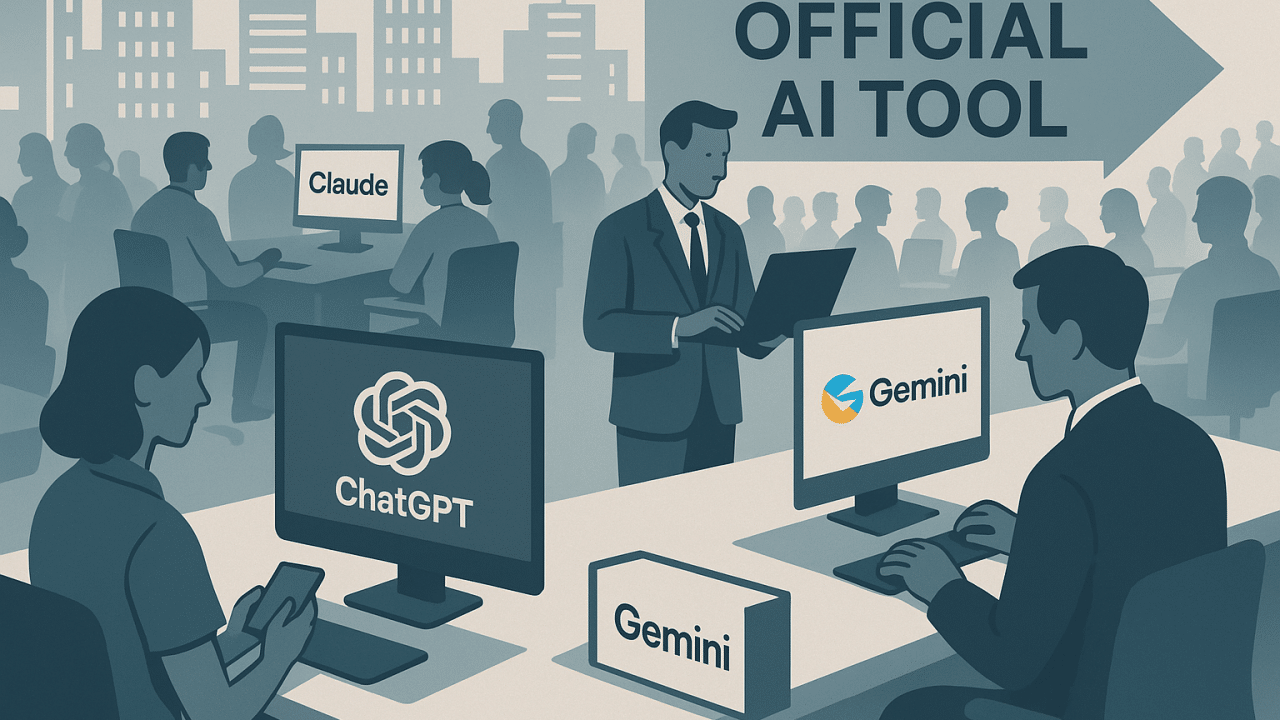
When cloud computing first started, switching between providers could be a hassle; however, it was possible. Now, with the advent of Artificial Intelligence, switching providers is increasingly costly, time-consuming, and risky.
Developers building applications with Google Cloud, Microsoft, and OpenAI tools are becoming more aware that once they launch their project, they will have to spend weeks or even months switching between ecosystems.
Why is Switching AI Platforms So Difficult?
While most AI platforms appear to provide similar features, such as:
- APIs for Large Language Models
- Fine-Tuning Options
- Deployment Tools
- Integration with Applications and Workflows
They are actually very different from one another.
There are three major reasons why switching is so difficult:
1. Model Specific Optimization
The applications built with these platforms are often optimized for
- prompts
- model behavior
- response
When switching to a new model (such as from OpenAI to Google), you have to rebuild and retest the prompts, which may take considerable time.
2. Dependencies on Tools and Infrastructure
Google Cloud’s AI is tightly integrated into its services, such as
- Data Pipelines
- Storage Systems
- DevOps Workflow
When AI is built into these ecosystems, the barriers to switching are high; thus, migration is a complex and resource-intensive undertaking.
3. Differences in SDKs and APIs
At face value, SDKs and APIs may appear similar…
The rate limits between the two may differ.
The method for generating the tokens may differ.
The formatting of data in the output may differ from one to another.
all of which could cause applications to break when switching providers.
Time is the Real Cost, Not Money
The impact of switching from one system to another is not only the cost but also the disruptions it will cause to your workflow.
According to developers, when migrating an AI system, there is:
- Prompt and Logic Rewrite
- Output Validation
- Integration Rebuild
- Edge Case Testing
Through the engineering conversations and Google Cloud Developer Blogs, small changes to your model will cause major disruptions to your workflow.
Teams influenced by those issues have also changed the way they develop.
1. Early Decision on Platform
The teams are now selecting platforms early in their projects, rather than at the time of application development.
2. Less Experimentation
Developers now use only one provider instead of testing multiple providers. They:
- Work in One Ecosystems
- Use a single performance optimization method.
- 3. Standardization Across Teams.
All organizations are now creating:
- Approved AI Technology
- Single Point Tools
- Vendor Diversity Limitations
While this methodology will improve efficiency, it will also limit opportunities for change.
Comparison Between Platforms: Not All Ecosystems are The Same
All Big AI ecosystems offer unique benefits.
OpenAI
- Excellent model performance
- Wide developer usage
- Quickly rolling out new features.
Microsoft (Azure AI)
- Excellent enterprise integration
- Easy integration with enterprise tools
- Solid compliance support
Google Cloud
- Integrates true AI research
- Strong synergy between data and the AI pipeline
- Scalable infrastructure
The Hidden Risk is the Long-Term Lock-In
By committing too early, you may fix short-term efficiency problems, but you will also create long-term risks.
1. Decrease in negotiating leverage
If you are locked into the contract, switching vendors will have high costs to switch to another vendor, limiting your ability to:
- Negotiate pricing.
- Change vendors.
2. Limited capacity for innovation
Teams will miss out on the ability to:
Get new models from competitors.
Receive new features in different ecosystems.
Create a strategy that relies on a single provider’s roadmap and pricing schedule.
Industry Signals: Lock-In Is Accelerating
Insights from enterprise adoption trends and Google Cloud publications suggest:
- Enterprises are standardizing AI vendors earlier.
- Multi-cloud strategies are harder to implement for AI than traditional workloads.
- Integration depth is increasing faster than portability solutions.
Even Microsoft has emphasized ecosystem integration as a key advantage, highlighting how tightly AI tools connect with its broader software stack.
Conclusion: Speed vs Freedom
AI development is entering a new phase—one where speed of execution comes at the cost of flexibility.
Developers are making earlier commitments because:
- Switching is too slow.
- Costs are too high
- Deadlines are too tight.
But this creates a long-term trade-off:
- Short-term efficiency
- Long-term dependency
As AI ecosystems mature, the biggest challenge won’t just be building with AI.
It will be staying flexible within it.
Source: News, tips, and inspiration to accelerate your digital transformation