




Seattle, Washington
On June 10, 2026, shares of FedEx Freight and Old Dominion both dropped 6%. This sent a clear message to the freight industry: Amazon Supply Chain Services had opened its shipping network. Now, it is not just for Amazon customers or marketplace sellers, but for any business in the United States.
That means your business can use it too. You can even ship directly to a FedEx warehouse, a Walmart distribution center, or any other competitor’s fulfillment network in the country.
What Amazon Supply Chain Services Actually Did
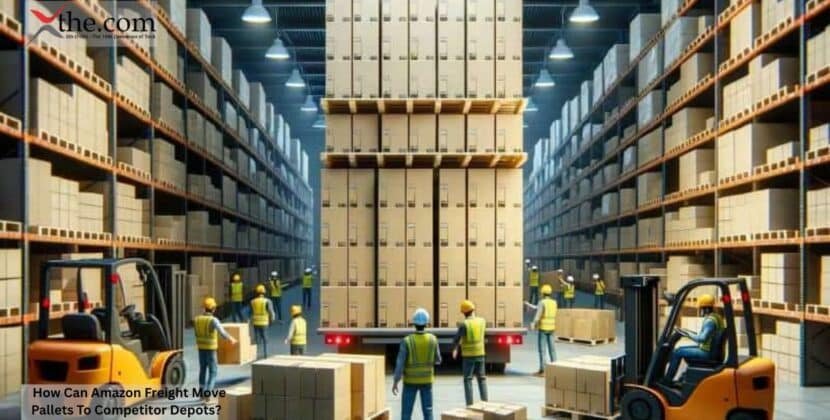
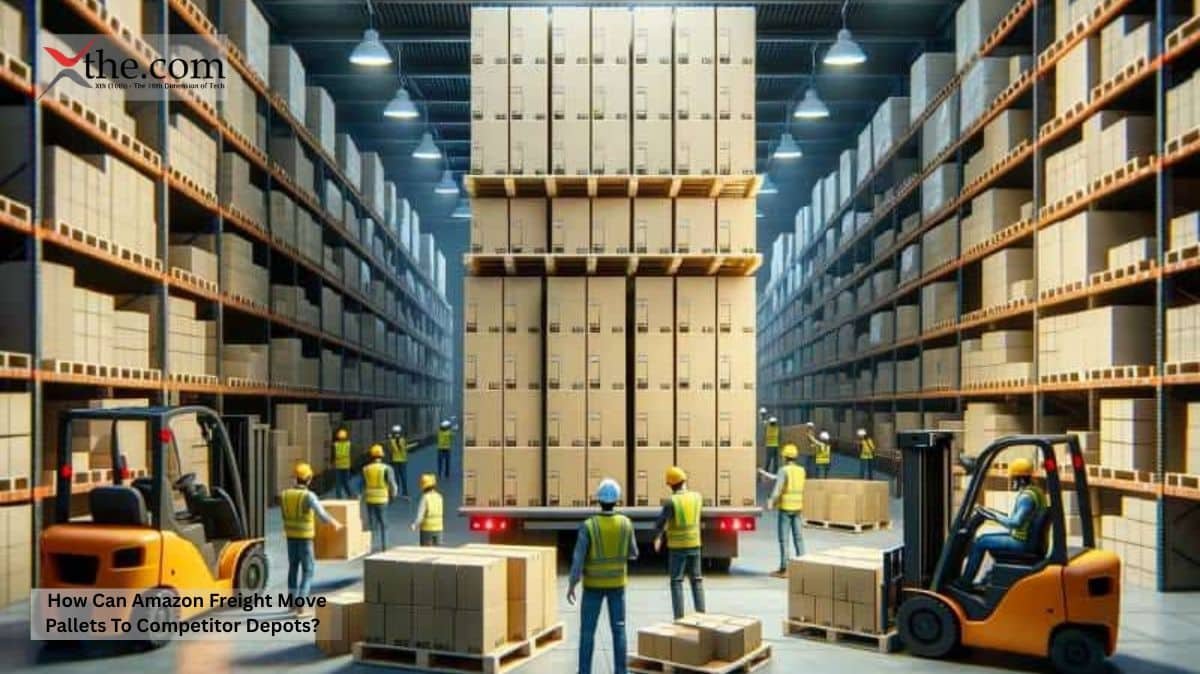
On June 10, Amazon Supply Chain Services (ASCS) announced it would expand its Less-Than-Truckload freight service nationwide. Previously, this service was only for shipments going to Amazon. Now, it covers any destination, including third-party warehouses, distribution centers, and retail partners. In other words, Amazon’s trucks can deliver your goods straight to a competitor’s dock.
Amazon is not a newcomer to freight. Its LTL service uses over 80,000 trailers, 24,000 intermodal containers, and terminals in major U.S. cities. Since 2019, Amazon has quietly run Less-Than-Truckload freight lanes for its own sellers. Now, this network is available to anyone who needs to ship pallets.
Timing is important. On May 4, 2026, Amazon opened ASCS to all businesses, not just those selling through its marketplace. Six weeks later, the LTL announcement expanded this to partial-load shipments. Amazon is steadily turning its operating costs into new revenue streams.
Why Less-Than-Truckload Freight Changes the Math for Small Businesses
The traditional freight model gave you two options. You could either fill a whole trailer with your own goods or pay a higher rate to have your pallets combined with other shippers’ cargo. In many cases, you would not know where your freight was or when it would arrive.
Less-than-truckload freight was supposed to fix this problem years ago. But in reality, the experience has been inconsistent. Older LTL carriers designed their networks to work best for themselves, not to give shippers better visibility.
For example, imagine a Chicago automotive parts distributor needs to send three pallets of gaskets to a retail chain warehouse in Atlanta. With the old system, the shipment would go to a regional carrier, get transferred to a cross-dock facility, and arrive sometime within a two-day window. You would have to call to confirm delivery. With ASCS, you get real-time GPS tracking from pickup to delivery, regular milestone updates, automated appointment scheduling at the receiving warehouse, and electronic proof of delivery.
This is not simply a small improvement. It is a fundamental change.
The Technology Layer That Incumbents Cannot Match Quickly
This is where Amazon Supply Chain Services stands out in comparison to traditional freight carriers. Amazon’s fleet uses sensors, cargo cameras, and door sensors on every vehicle, enabling automated driver alerts and real-time freight security from start to finish. The company originally built this monitoring system to protect its own inventory, and now it can offer the same protection to customers at no extra cost.
ASCS tracking offers shippers a connected hardware-and-software system across every trailer, something that would take years to develop independently. The system integrates with EDI, so automated order tendering, shipment tracking, and invoicing connect directly to current supply chain systems. For a mid-size manufacturer using an ERP system, ASCS tracking data goes straight into existing dashboards, eliminating the need for manual updates.
Zech Hintz, vice president of global supply chain at Pattern, a global e-commerce accelerator, was direct in his assessment: “In the past year, we’ve seen faster transit times and lower costs relative to traditional LTL services. It’s rare to get both.”
That mix of speed and lower costs is exactly what traditional carriers have found difficult to deliver at scale.
Understanding Amazon Supply Chain Services Less Than Truckload Pricing
Amazon has not shared exact per-pallet rates, but the total pricing structure remains clear. Most shipments are between one and six pallets, or 150 to 15,000 pounds. Amazon positions Amazon Supply Chain Services as offering less-than-truckload pricing, which is lower than older carrier rates, and Pattern’s supply chain team seems to confirm this based on their own experience.
Amazon says its service uses a traditional hub-and-spoke LTL network. Palletized shipments are picked up, moved through a nearby terminal, and delivered to the destination on a pallet. The company claims this costs less than using older LTL carriers.
The adaptable pickup structure is also worth noting for businesses evaluating Amazon Supply Chain Services’ less-than-truckload pricing against incumbents. Amazon offers next-day live pickup for orders placed by 5 p.m., same-day pickup via its drop-trailer service, and daily pickups for high-volume shippers. Daily pickups are especially helpful, since this level of service used to require volume commitments that most small businesses could not meet.
There is one important point to keep in mind. It remains unclear how Amazon’s LTL service will work in practice, since it lacks a typical network of cross-dock terminals to move heavy pallets nationwide. If your business ships heavy or dense freight over long distances, it is best to get a direct quote before expecting the same rates as established carriers on every route.
The Competitive Disruption Is Already Priced In
The stock market reacted right away. Shares of trucking companies that focus on LTL dropped after the news, with FedEx Freight (down 6%), Old Dominion (down 6%), and XPO (down 5%) all seeing significant declines. These are big single-day moves for established freight carriers, all triggered by one company’s announcement.
Distributors should pay attention to three things: if Amazon’s LTL pricing puts pressure on existing carriers, how fast ASCS attracts customers beyond Amazon sellers, and whether customers start comparing your delivery experience to Amazon’s tech-driven freight model. The last point could matter most for businesses receiving freight. If your customers begin to expect features like cargo camera confirmation and automated dock scheduling after seeing them on Amazon’s platform, the bar for acceptable freight visibility will be raised for good.
How to Access the Service Today
ASCS offers freight, distribution, fulfillment, and parcel shipping services, allowing businesses to leverage the logistics systems Amazon has developed over nearly 30 years. You do not need an Amazon seller account to use it. The service is available to healthcare distributors, automotive suppliers, manufacturers, retailers, and any business that needs to move pallets.
Jim Ruiz, director of Amazon Freight, framed the expansion clearly: “The feedback from Amazon selling partners using our LTL service was clear: the technology, visibility, and reliability were exactly what they needed, and they wanted to use it more broadly.”
For thirty years, the freight industry built networks focused on their own terminals. Amazon Supply Chain Services created its network to move its own products quickly and at scale, and it turns out this system is more capable and open than most people realized. Now, independent American firms can use this network without paying Amazon a sales commission. Established carriers will respond, but the real question is how long it will take and how many shipping contracts will change hands before they do.
Source: Amazon Supply Chain Services Launches Less-Than-Truckload Freight Offering for All Businesses